
Arrangement
A new version of an existing musical work that modifies the melody, harmony, or structure. Publishing an arrangement generally requires permission from the original copyright holder, and the arranger may be entitled to a share of royalties if the original publisher agrees.
Articles about Arrangement
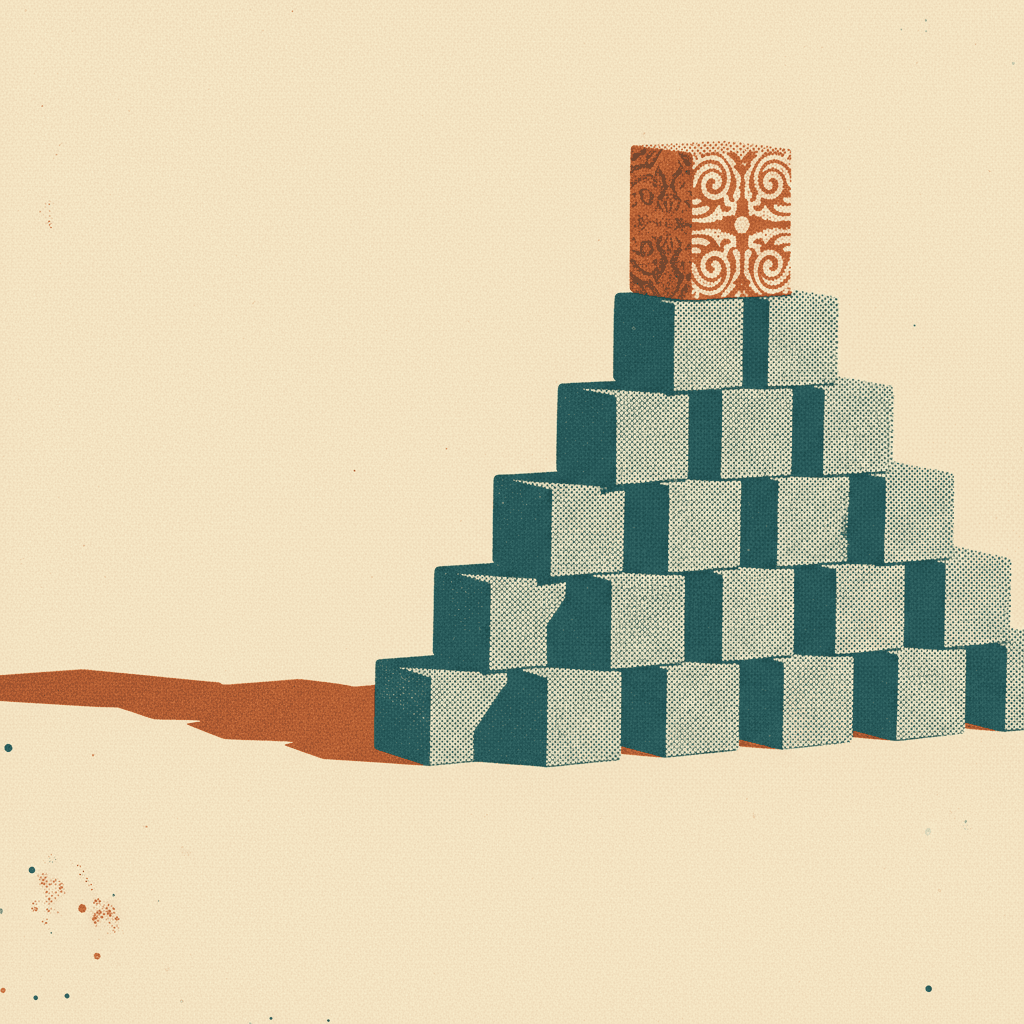
Why songwriting camps fail musicians: 5 costly mistakes
Songwriting camps promise collaboration and industry access, but structural failures leave most participants without meaningful revenue or rights. From upfront publishing grabs to administrative breakdowns, here are the five costly mistakes that make camps a poor investment for most writers.
LOMO: What to Know Before Signing with Songtrust
LOMO agreements transfer publishing rights for the entire life of copyright, not a fixed term. Before signing with Songtrust or any publisher offering LOMO terms, songwriters need to understand exactly what rights they're assigning, whether reversion is possible, and how these deals compare to standard publishing contracts.
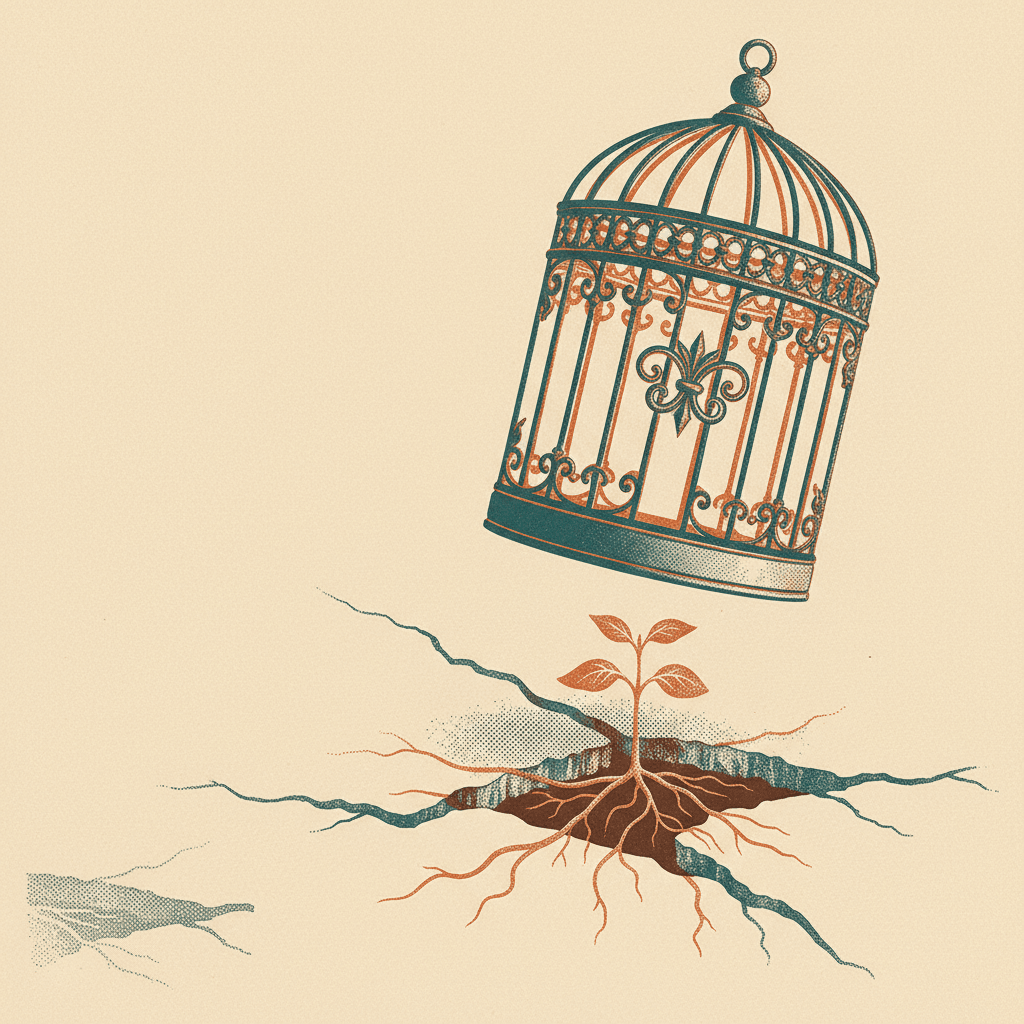
How to Copyright a Song for Free: 5 Legal Methods
Copyright protection for your music is automatic and free the moment you fix it in a tangible medium. But free registration options and documentation methods can strengthen your legal position without spending money.

Publishing Glossary Music Terms: Every Term Independent Artists Need to Know
Music publishing terminology is deliberately opaque, designed by an industry that profits from confusion. This glossary translates the language of royalties, rights, and revenue streams into plain terms independent artists can use to get paid correctly.
Music Copyright vs Trademark: What's the Difference and Do You Need Both?
Confused about music copyright vs trademark and which one you actually need? This article cuts through the overlap and explains what each protects, how registration works, typical costs and timelines, and the real-world consequences for streaming, sync and merchandise.

How Performance Royalties Work: A Deep Dive for Independent Artists
Performance royalties explained - a practical FAQ for independent artists who want to stop leaving money on the table. This guide lays out who gets paid for compositions versus recordings, which collecting societies handle each right, and the exact registration and metadata steps (ISWC, ISRC, IPI) you need to ensure plays are matched and paid.
Spotify vs Apple Music: Which Platform Pays Artists More?
Spotify vs Apple Music royalties is a debate in every music community, but the reality is messier than a single per-stream number. This comparison lays out sourced per-stream ranges, explains how master and composition splits and distributor deals change net pay, and walks through worked examples for independents and label-signed artists.
PRS vs PPL: Understanding the Difference for UK Artists
If you release recorded music in the UK, a single radio play or stream can generate two separate payments - one for the song and one for the recording. PRS vs PPL neighbouring rights determine who gets paid for each, and this article lays out exactly what PRS collects, what PPL collects, and the registration steps you need to claim both.

How to Start a Rap Career With No Label, No Budget and No Connections
This guide shows how to start a rap career with no label, no budget, and no connections, laying out a realistic 90-day roadmap and specific tasks you can execute using free and low-cost tools. You will get step-by-step instructions for writing, recording, releasing, promoting, and registering your music, plus checklists and measurable milestones that take you from first demo to your first paying gig or streaming traction.