

 Carlos Palop
Your Distributor's Reputation Now Affects Your Catalog: What Changed in 2027
Streaming platforms are cracking down on AI spam and copyright violations. Your distributor's track record now determines whether your legitimate music gets flagged alongside bad actors. Here's what independent songwriters need to know.
The new reality of distributor liability
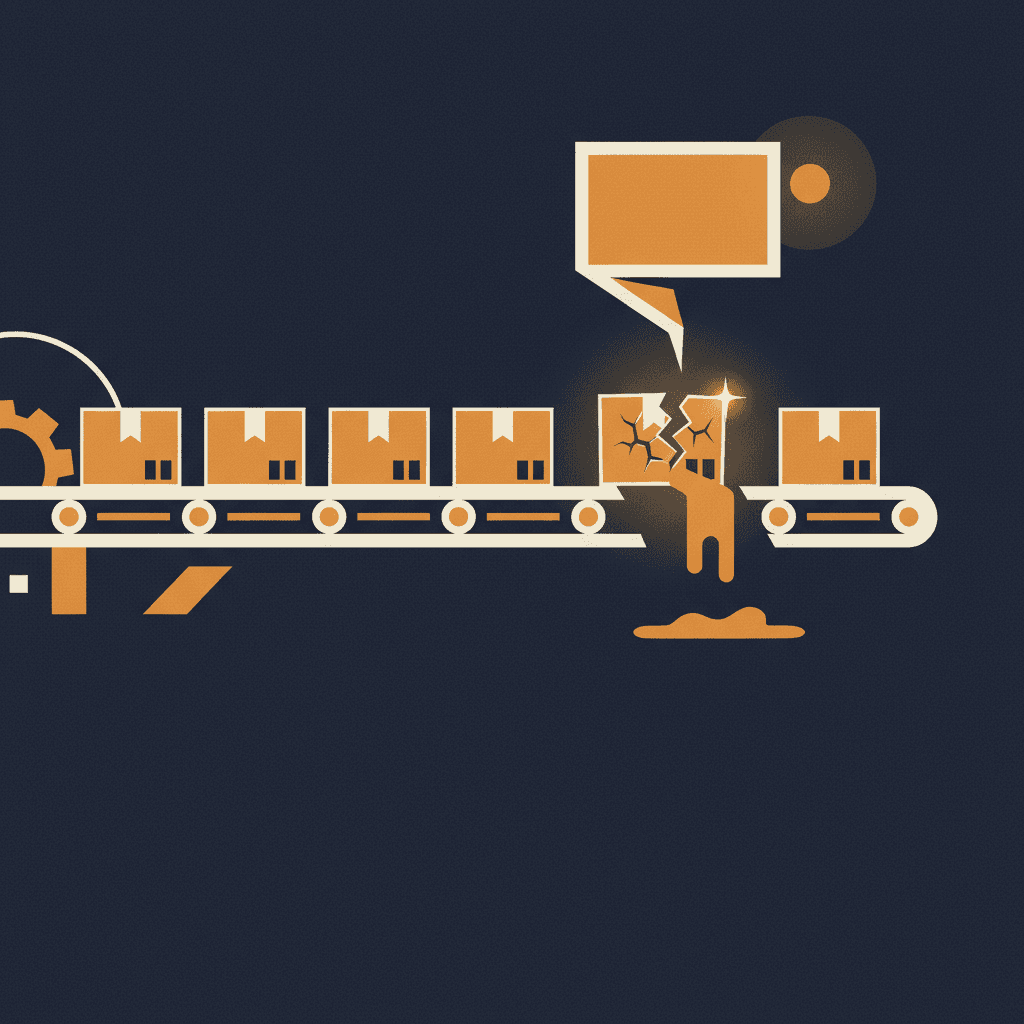
Music no longer travels to Spotify or Apple Music as individual tracks. It arrives in batches from distributors. When a distributor delivers 10,000 tracks in a week and 3,000 are AI-generated spam or copyright violations, platforms now treat the entire pipeline as suspect.
This creates a guilt-by-association problem. Your original song sits in the same delivery queue as fraudulent uploads. Platforms lack the resources to review every track individually. They make bulk decisions based on distributor behavior patterns.
The math is simple. If your distributor has a 30% fraud rate, platforms will scrutinize or delay your releases even when your catalog is clean. Some distributors with poor track records now face automatic holds on new uploads. Others see their entire catalogs flagged for review.
What streaming platforms are actually doing
Spotify removed approximately 750,000 tracks in 2026 for policy violations. Apple Music implemented stricter upload requirements. Both platforms now assign reputation scores to distributors based on takedown rates, copyright claims, and artificial streaming patterns.
Distributors with high violation rates face consequences: delayed release dates, reduced algorithmic visibility, and mandatory human review for all uploads. These penalties affect every artist using that distributor, regardless of individual compliance.
The platforms are not publishing these scores publicly. Artists discover problems only after releases are delayed or removed. By then, switching distributors means losing ISRC codes, historical streaming data, and algorithmic momentum.
What this means for independent songwriters
Your distributor choice now carries financial risk. A delayed release costs you playlist consideration. Most editorial playlists finalize selections two to four weeks before publication. If your track sits in review during that window, you miss the opportunity entirely.
Consider the revenue impact. A single playlist placement can generate 50,000 to 500,000 streams depending on playlist size. At $0.004 per stream, that's $200 to $2,000 in streaming revenue. Add mechanical royalties at 9.1 cents per 100 streams, and you're looking at $45 to $455 in publishing income per placement.
Multiply that across multiple releases per year. An artist releasing four singles annually could lose $1,000 to $10,000 in combined streaming and mechanical royalties if distributor problems cause consistent delays.
The risk extends beyond delays. If your distributor gets blacklisted, your entire catalog could be removed. Rebuilding that presence through a new distributor takes months. You lose chart positions, algorithmic recommendations, and listener saves. Some of that momentum never returns.
How to evaluate distributor risk
Ask potential distributors specific questions. What percentage of their uploads get flagged or delayed? How many tracks were removed from platforms in the past year? What verification processes do they use before delivering music?
Check their client roster. Distributors serving primarily legitimate artists have better platform relationships. Those offering unlimited uploads for flat fees attract more fraudulent users. The business model reveals priorities.
Review their content policies. Distributors with strict upload requirements and human review processes maintain cleaner catalogs. Those with automated-only systems cannot filter out problematic content effectively.
Look at their response time when issues arise. If a track gets flagged, how quickly can they resolve it? Distributors with dedicated support teams solve problems faster than those relying on automated ticketing systems.
How UniteSync fits in
Distribution problems create a secondary issue: lost royalties. When tracks get removed or delayed, the mechanical and performance royalties generated during that period often go unclaimed. Distributors rarely track or recover these payments.
UniteSync specializes in finding these gaps. We audit MLC databases, CMO records, PRO statements, and foreign society payments to identify unclaimed royalties. To date, we've recovered over $547K for independent songwriters and small publishers.
The recovery process addresses distributor-related losses specifically. When a track is removed and re-uploaded through a new distributor, the original ISRC may still have unclaimed royalties attached. We track those payments across the transition.
We also catch royalties that distributors miss entirely. Many distributors only collect streaming revenue, not mechanical royalties from the MLC or performance royalties from foreign societies. Those payments accumulate in black box funds. We pull them out.
Concrete steps to protect your catalog
Audit your current distributor's reputation now. Search for news about platform takedowns or delays associated with their name. Check independent artist forums for complaint patterns.
Document your catalog completely. Maintain spreadsheets with ISRC codes, release dates, and original file uploads. If you need to switch distributors, this documentation speeds the migration process.
Register your works with the MLC and your PRO directly. Do not rely solely on your distributor to handle these registrations. Direct registration ensures you maintain control regardless of distributor problems.
p>Consider the total cost of distribution beyond monthly fees. A distributor charging $30 per year looks cheap until platform delays cost you $2,000 in lost playlist revenue. Factor reputation risk into your decision.Run regular royalty audits. Even with a reputable distributor, gaps occur. Quarterly audits catch unclaimed payments before they disappear into black box funds. A free royalty audit reveals what you're missing now.
Reporting via Digital Music News.
UniteSync helps independent songwriters recover unclaimed mechanical and performance royalties from the MLC, CMOs, PROs, foreign societies, and DSP black box funds. Start with a free royalty audit to see what you're owed.
AUTHOR
Carlos Palop
CEO & Co-founder, UniteSync
Carlos Palop is a seasoned music publishing expert, adept in rights management and royalty distribution, ensuring artists' works are protected and profitably managed. Their strategic expertise and commitment to fair practices have made them a trusted figure in the industry.