

Sync license
A license authorizing the use of a musical composition in synchronization with visual media — such as films, TV shows, ads, video games, or YouTube videos. Sync licenses are negotiated directly with the publisher and are separate from the master license needed for the recording.
Articles about Sync license
How to Land a Sync License for Your Music in Film and TV
Landing a placement in film or TV can deliver a meaningful sync fee and a big visibility boost, but most opportunities stall because rights are unclear or assets are poorly packaged. This practical guide shows how to get a sync license step-by-step: which rights to clear, the exact files and metadata supervisors expect, where to pitch, negotiation musts, and how to collect every fee and performance royalty after a placement.
Sync License Agreements Explained: What Musicians and Filmmakers Need to Know
A sync license agreement is the legal permission to put a musical composition to picture, and in practice it is often conflated with the separate master use license that covers the recorded performance. This technical guide breaks down which rights must be cleared, the contract clauses and negotiation levers that matter, how sync fees and downstream royalties flow, and the metadata and cue-sheet practices that prevent missed payments.

LOMO: What to Know Before Signing with Songtrust
LOMO agreements transfer publishing rights for the entire life of copyright, not a fixed term. Before signing with Songtrust or any publisher offering LOMO terms, songwriters need to understand exactly what rights they're assigning, whether reversion is possible, and how these deals compare to standard publishing contracts.
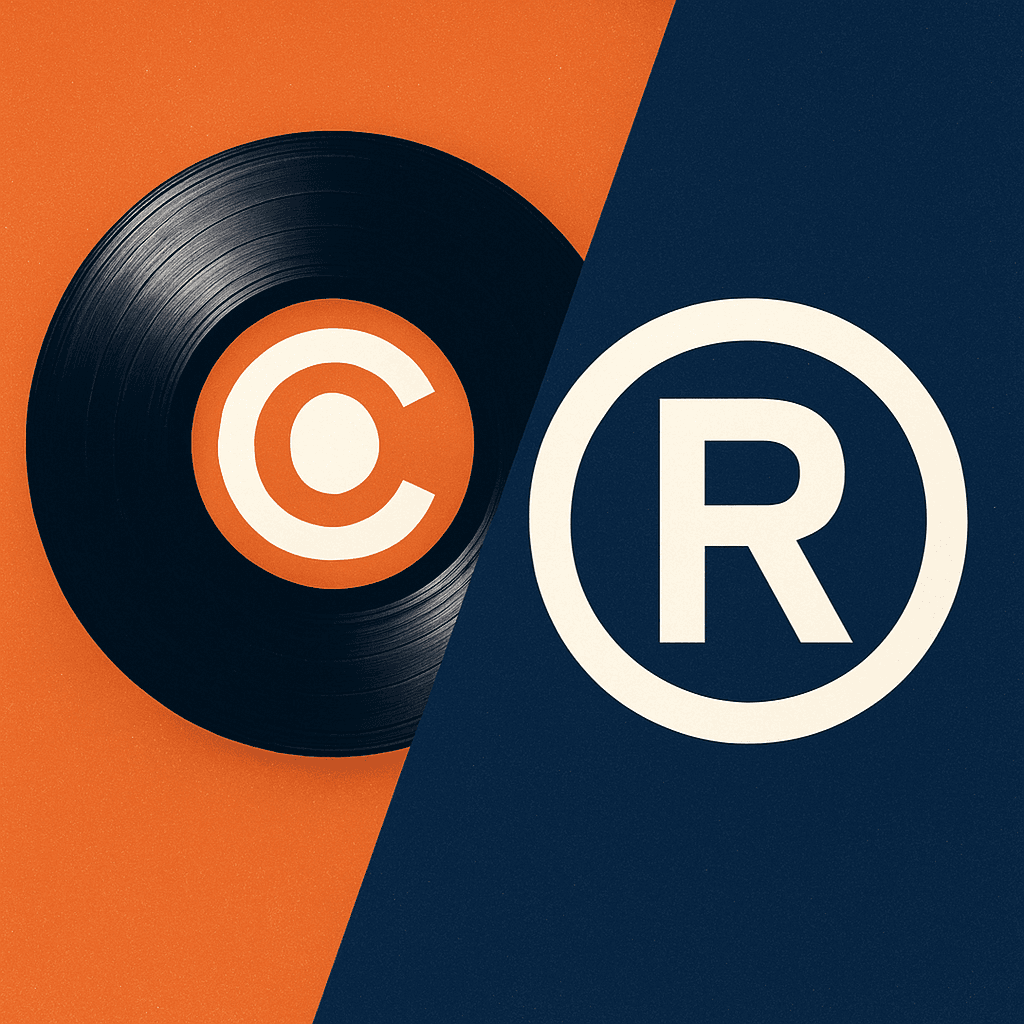
Music Copyright vs Trademark: What's the Difference and Do You Need Both?
Confused about music copyright vs trademark and which one you actually need? This article cuts through the overlap and explains what each protects, how registration works, typical costs and timelines, and the real-world consequences for streaming, sync and merchandise.
Top Music Publishing Administration Platforms Compared: Features, Fees and Payouts
If you are an independent songwriter, producer or small label deciding where to place your catalog, this music publishing platform comparison cuts through marketing claims to the mechanics that actually move money. You will get a side by side look at fee models, payout mechanics, territory coverage, metadata and split management, and sync support - so you can pick the platform that maximizes collections and reduces revenue leakage.

How to Register Your Music Copyright in the US and Internationally
How to register copyright music for your songs and recordings matters more than many artists realize, since registration creates a public ownership record and unlocks legal remedies and revenue streams. This practical, step by step guide explains which US Copyright Office forms to file for compositions and masters, how to register with PROs and SoundExchange, and the metadata, ISRC, and ISWC steps that actually get you paid internationally.

Every Way to Earn Music Royalties as an Independent Artist
As an independent artist, understanding the different ways to earn music royalties separates missed income from real revenue. This checklist walks through eight distinct royalty streams, who collects them, realistic earning examples, and three concrete steps to start collecting each one, with international registration tips and services to compare.
Best Music Licensing Platforms for Getting Your Songs Placed
Getting songs placed is about choosing the right music licensing platforms and presenting tracks the way music supervisors actually use them. This list compares seven leading services — from high-volume marketplaces to curated publishers — and breaks down reach, submission models, rights, and realistic monetization.
Best Music Distribution Services for Independent Artists
Choosing the best music distribution services matters more than you think — it affects your revenue, rights, and how fast your songs hit Spotify, Apple Music, TikTok, and stores worldwide. This concise guide compares pricing models, royalty terms, release workflows, and value-adds like publishing, sync, and marketing, then matches each service to realistic artist scenarios so you can pick what fits your release cadence and career goals.