

Split sheet
A document signed by all co-writers of a song that records the agreed ownership percentages (splits) for each contributor. Split sheets are essential for accurate CMO registration and are the authoritative reference in the event of a royalty dispute between collaborators.
Articles about Split sheet

Guide to Publishing Royalties and Split Sheets for Businesses
Whether you’re a label, manager, publisher, or distributor, industry leaders should always encourage their artists to have honest and open conversations about split sheets. After all, not having them in place means not being able to confirm a creator’s ownership percentage or collect any related publishing royalties.
Songwriting Camp & Co-Writing Etiquette: How to Get Invited Back
Songwriting camps separate career writers from hobbyists faster than talent alone. The difference is not who writes the best hook but who understands co-writing etiquette well enough to get invited back.

Why songwriting camps fail musicians: 5 costly mistakes
Songwriting camps promise collaboration and industry access, but structural failures leave most participants without meaningful revenue or rights. From upfront publishing grabs to administrative breakdowns, here are the five costly mistakes that make camps a poor investment for most writers.

Set up Songtrust Spotlight in 5 steps
Songtrust Spotlight gives songwriters visibility into royalty flows across territories and DSPs. This guide walks through the five-step setup process, from account linking to your first data sync, so you can start tracking what you're owed.

Publishing Administration Explained: Roles, Workflows, and Standards for Rights Management
Publishing administration explained covers rights management in music publishing, mapping roles, operational handoffs, and industry standards. Learn about workflows, file formats, identifiers, and integration patterns to reduce unmatched revenue and build auditable systems.
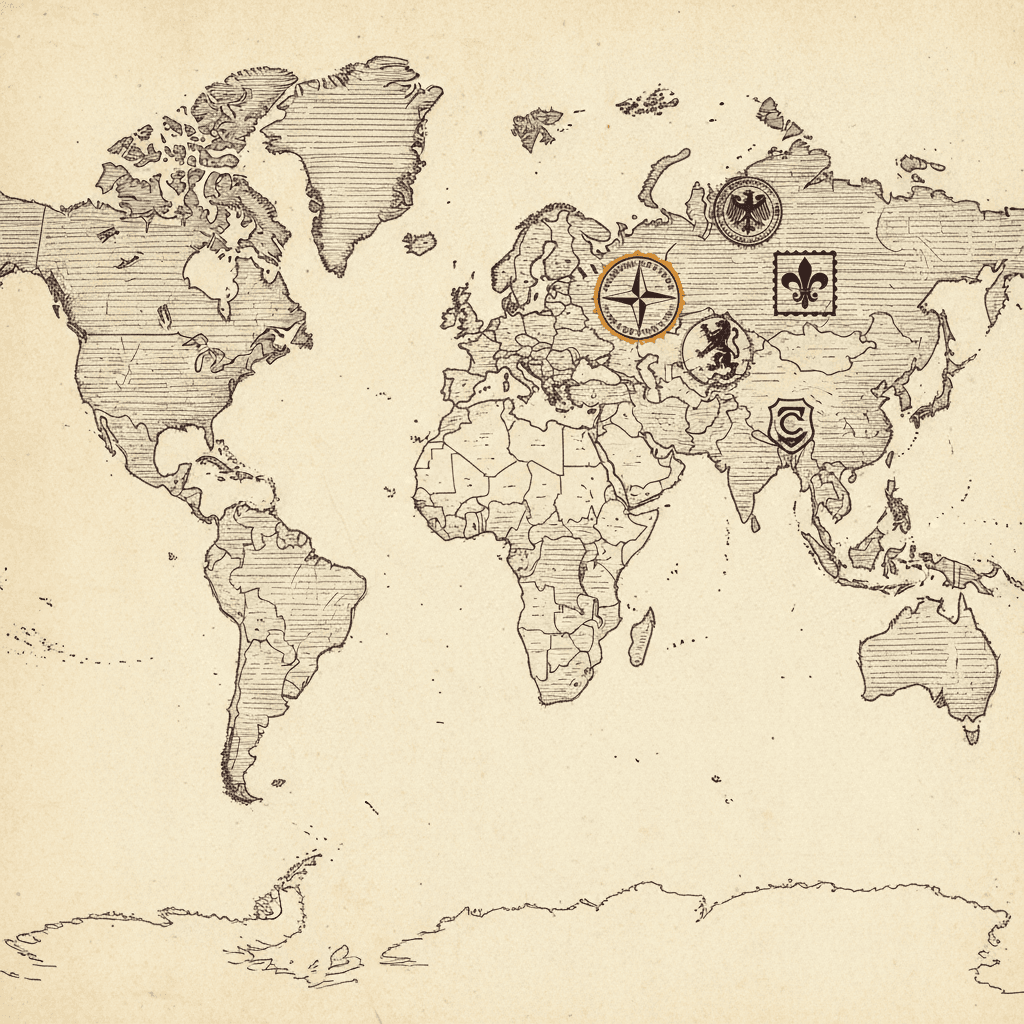
Territory Collection Societies: A Global Guide to PROs and CMOs Worldwide
Territory collection societies form the patchwork of national and regional organizations that collect and distribute music royalties, and knowing who collects which rights in which markets is the practical difference between missing revenue and timely payments. This guide maps PROs, CMOs, neighboring rights and master rights collectors by territory, provides registration and metadata checklists for priority markets, and gives step-by-step troubleshooting and prioritization advice publishers, labels and sync teams can use to recover royalties faster.

Publishing Glossary Music Terms: Every Term Independent Artists Need to Know
Music publishing terminology is deliberately opaque, designed by an industry that profits from confusion. This glossary translates the language of royalties, rights, and revenue streams into plain terms independent artists can use to get paid correctly.
Music Copyright vs Trademark: What's the Difference and Do You Need Both?
Confused about music copyright vs trademark and which one you actually need? This article cuts through the overlap and explains what each protects, how registration works, typical costs and timelines, and the real-world consequences for streaming, sync and merchandise.

What Are Neighbouring Rights in Music? Everything Artists and Labels Need to Know
If you've wondered what is neighbouring rights music and why performers and labels sometimes get separate checks from songwriters and publishers, this FAQ cuts through the confusion. It explains who neighbouring rights protect, how collections work across key territories, the essential metadata and registration steps that actually matter, realistic revenue expectations, and practical next steps to claim unpaid royalties.