

Interpolation
The use of a melody or musical phrase from a pre-existing song in a new composition, without sampling the original recording — rather, re-recording the relevant portion. Interpolations require a license from the original publisher but do not require clearing the original master recording.
Articles about Interpolation

10 Music Copyright Tips Every Songwriter Should Follow
Most independent songwriters lose income to registration mistakes, messy metadata, and unclear splits. These music copyright tips give ten practical, legally grounded steps to secure your compositions, maximize royalty collection, and stop avoidable revenue leakage.

The Most Expensive Music Publishing Mistakes Independent Artists Make
Independent artists routinely leak thousands in royalties through predictable music publishing mistakes that rarely show up on royalty dashboards. This post pinpoints the seven costliest errors, quantifies typical revenue impact, and gives step-by-step fixes with the exact organizations and forms to use - from BMI and The MLC to SoundExchange and major international CMOs - so you can recover missed income and stop future losses.
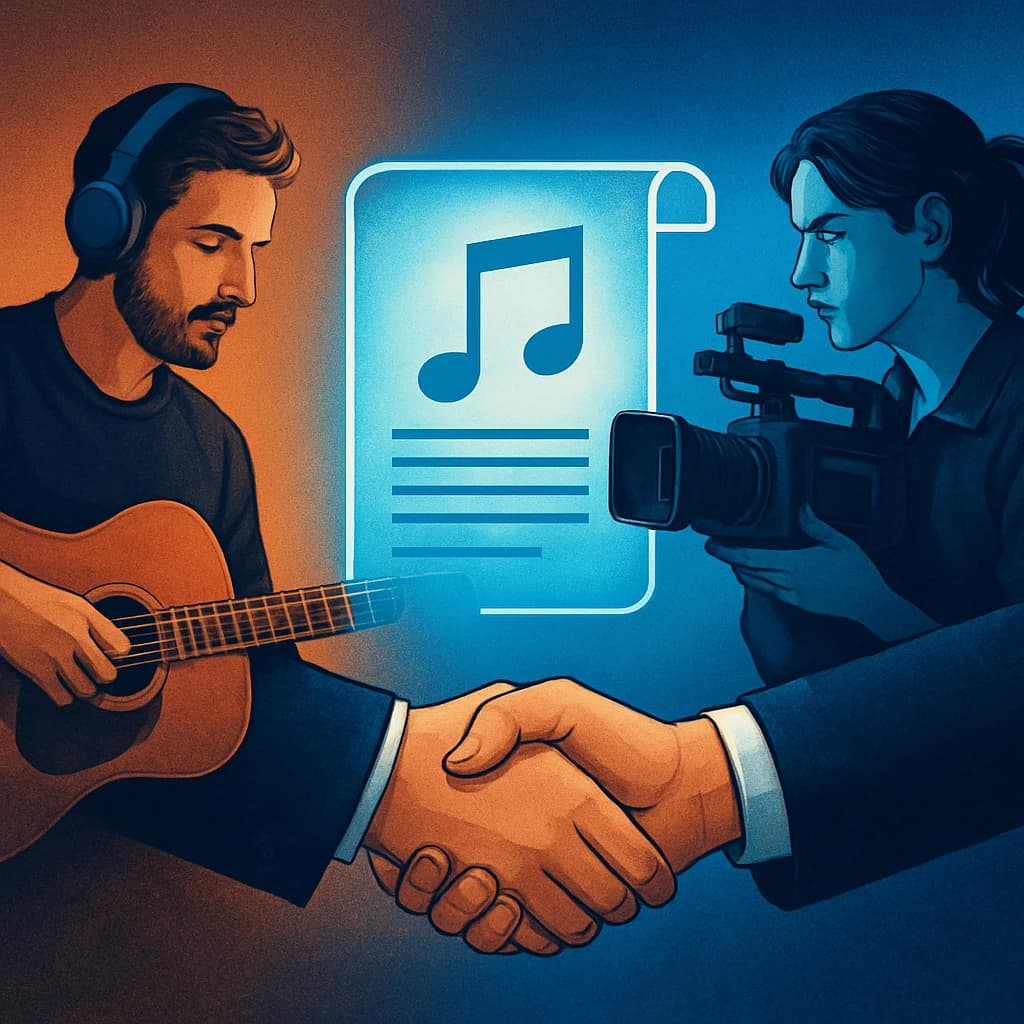
Sync License Agreements Explained: What Musicians and Filmmakers Need to Know
A sync license agreement is the legal permission to put a musical composition to picture, and in practice it is often conflated with the separate master use license that covers the recorded performance. This technical guide breaks down which rights must be cleared, the contract clauses and negotiation levers that matter, how sync fees and downstream royalties flow, and the metadata and cue-sheet practices that prevent missed payments.
Copyright Chain of Title in Music: How to Establish and Verify Ownership
Proving who actually owns a song or master is rarely straightforward; missing split sheets, conflicting society entries, and legacy transfers create real operational risk. This guide lays out a step-by-step approach to build and verify a reliable copyright chain of title for both compositions and sound recordings, listing the exact documents, registry checks, APIs, and red flags you should use.

Music Rights Clearance: The Complete Process for Licensing Permissions
Music rights clearance is the operational work that turns a creative cue into lawful use—and it routinely breaks projects without a repeatable process. This guide gives a step-by-step, reference-style workflow to identify required rights, map ownership, execute licenses, and document compliance for common scenarios including sync, samples, covers, reissues and digital uses.

Sync Licensing Royalties: A Complete Guide to Synchronization Rights and Payments
Sync placements generate multiple, overlapping revenue streams and frequent confusion about who gets paid, when, and through which society or channel. Treat this as sync licensing royalties explained for implementers: it breaks down one-off sync fees versus master licenses, public performance and mechanical flows, cue-sheet requirements, and the metadata and identifiers your systems must track.
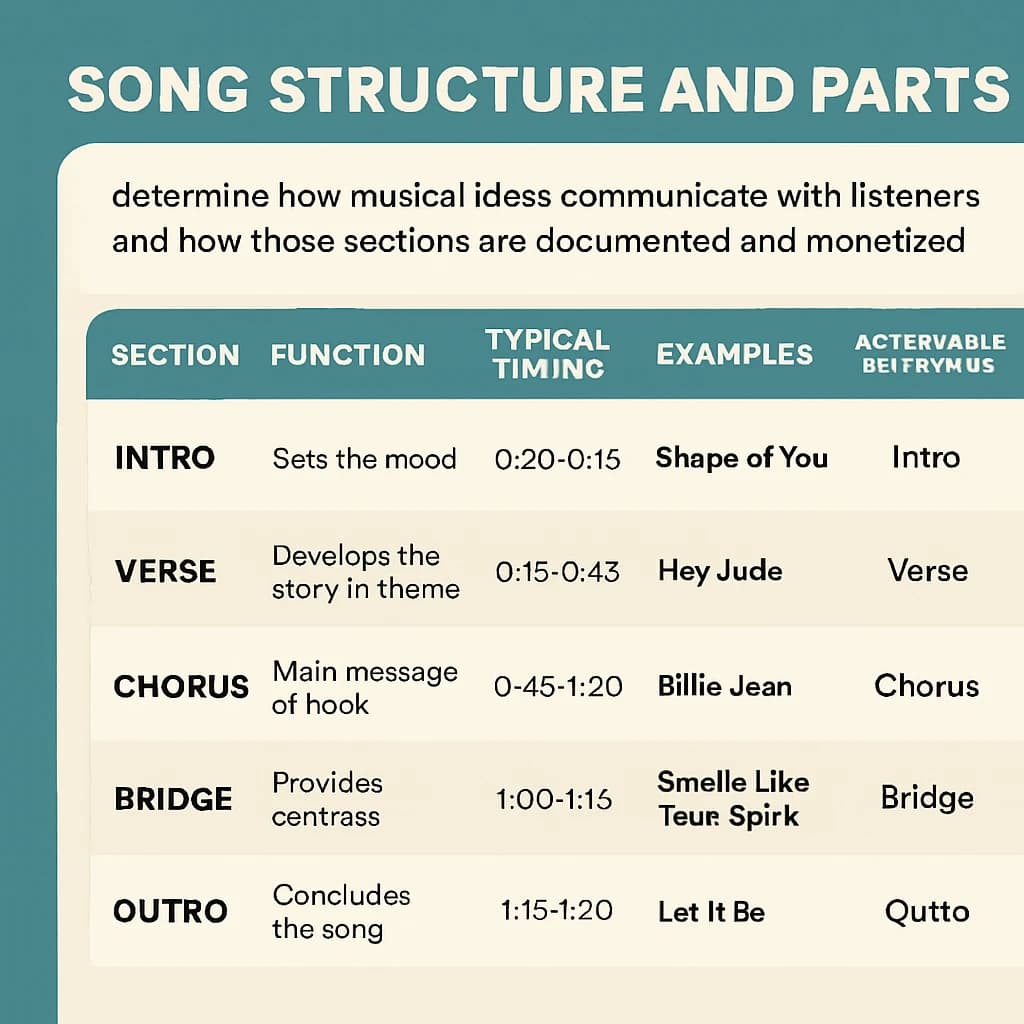
The Complete Guide to Song Structure and Parts
Song Structure and Parts determine how musical ideas communicate with listeners and how those sections are documented and monetized. This guide maps every common part to its musical function, typical timing, and real-song examples, then translates those elements into actionable metadata , registration steps, and publishing practices you can use to protect and collect royalties.

Master Recording Rights vs Publishing Rights: Understanding Music Ownership
Understanding the difference between master recording rights and publishing rights is essential for anyone working with music ownership, licensing, or royalty collection. These two rights are legally separate, generate different revenue streams, and move through different licensing systems.
Music Rights Clearance: A Step-by-Step Guide
Music Rights Clearance: The Complete Process for Legal Music Usage Music rights clearance is the operational process that untangles composition and master rights so you can legally use music in film, advertising, games, and digital products. This guide breaks the process into a repeatable workflow: who to contact, which licenses and permissions are required, the paperwork and metadata to assemble, negotiation levers, and realistic timelines and cost benchmarks.