

Fair use
A US doctrine that permits limited use of copyrighted material without authorization for purposes such as commentary, parody, education, or news reporting. Whether a specific use qualifies as fair use is determined on a case-by-case basis using a four-factor analysis.
Articles about Fair use

Suno Challenges Major Labels' Authority to License Catalogs for AI Training
In the ongoing UMG v. Suno lawsuit, the AI music company now questions whether major labels legally possess the rights to license their catalogs for AI training. The dispute exposes fundamental gaps in how music rights are structured and who controls them.

Universal and Sony Fight Suno's Delay Tactic in Second AI Music Lawsuit
The major labels are pushing back against Suno's motion to pause their second copyright lawsuit. Universal and Sony argue that delaying discovery would degrade evidence, not preserve it. For independent songwriters, this discovery fight reveals how AI platforms may avoid transparency.
Australian Creators Launch Campaign Against AI Copyright Reforms That Threaten Royalties
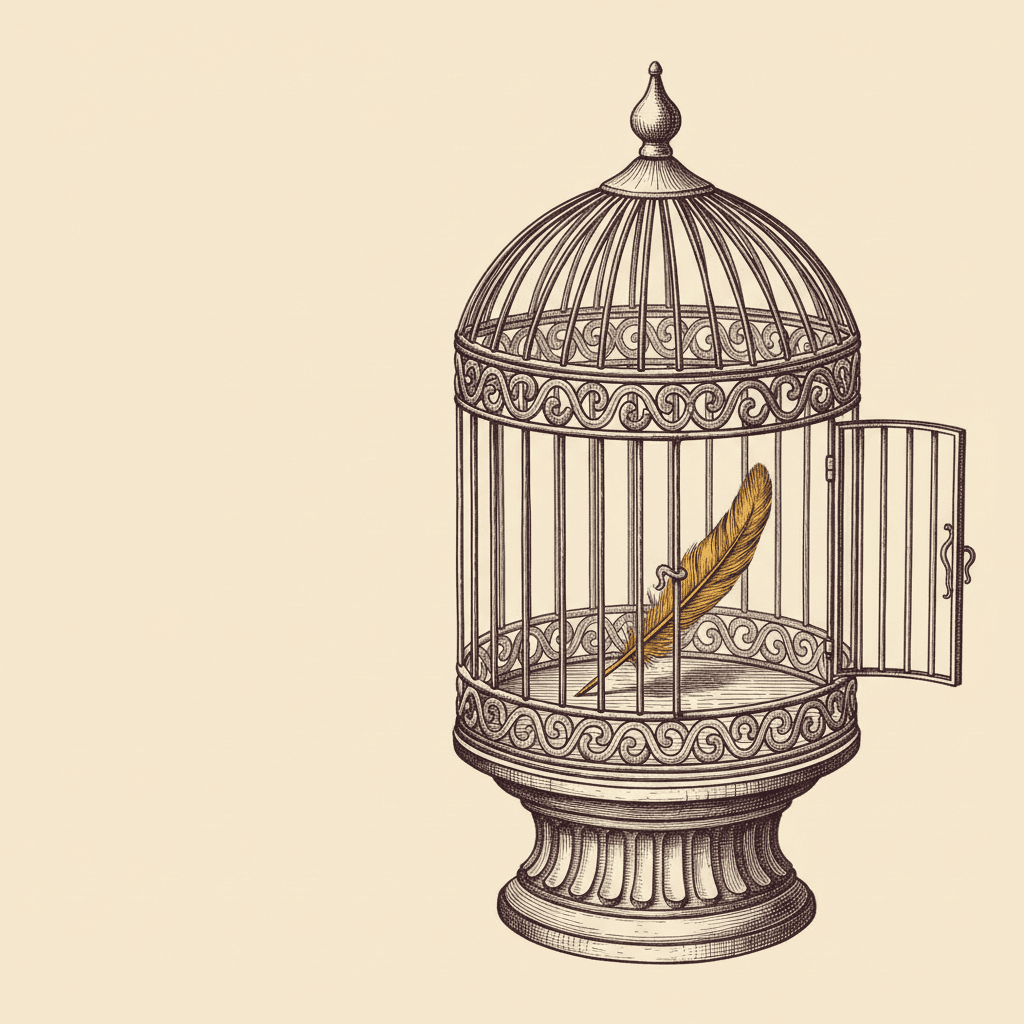
Australia's creative industries unite under the Not AI's To Take campaign to oppose copyright reforms that would let AI companies train on copyrighted works without permission or payment. The push comes as tech lobbies pressure governments to weaken creator protections.
Your Music Is Being Used Without Permission — Here's What to Do About It
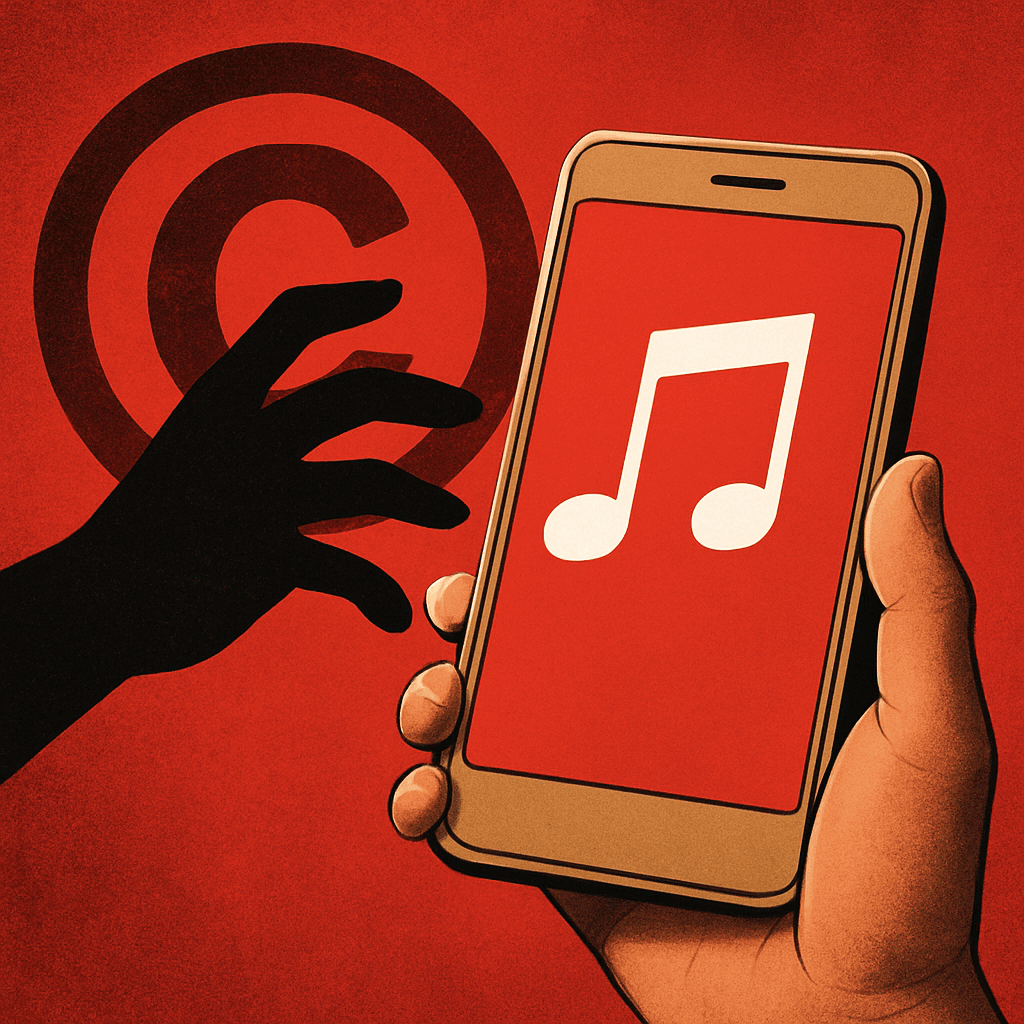
If you have discovered your recording or song being used without permission, you are facing music copyright infringement problems that demand practical, immediate action. This guide walks you through what to do first: preserve evidence, identify which right is being violated, and stop the use on each platform, then how to recover revenue and prevent repeat misuse.

The Most Expensive Music Publishing Mistakes Independent Artists Make
Independent artists routinely leak thousands in royalties through predictable music publishing mistakes that rarely show up on royalty dashboards. This post pinpoints the seven costliest errors, quantifies typical revenue impact, and gives step-by-step fixes with the exact organizations and forms to use - from BMI and The MLC to SoundExchange and major international CMOs - so you can recover missed income and stop future losses.

How to Set Up Music Publishing Admin as an Independent Artist
Setting up music publishing admin is the difference between leaving money on the table and collecting the royalties your songs earn worldwide. This guide gives a step-by-step checklist to prepare your catalog, register with PROs and mechanical rights bodies, lock in co-writer splits, and choose between DIY administration or a third-party publishing administrator.

Neighbouring Rights FAQ: What They Are, Who Qualifies and How to Claim Them
This neighbouring rights FAQ explains what neighbouring rights are, how they differ from composition copyright, who typically qualifies as a performer or phonogram producer, and which uses generate payable royalties. You will get short, AI-friendly answers and practical next steps, including a document checklist, territory notes for the UK, EU, US, Canada and Australia, and the collecting societies to contact so you can register or file a claim.

Sync Licensing Royalties: A Complete Guide to Synchronization Rights and Payments
Sync placements generate multiple, overlapping revenue streams and frequent confusion about who gets paid, when, and through which society or channel. Treat this as sync licensing royalties explained for implementers: it breaks down one-off sync fees versus master licenses, public performance and mechanical flows, cue-sheet requirements, and the metadata and identifiers your systems must track.

Music Licensing Agreements Explained: What Independent Artists Need to Know
Music Licensing Agreements Explained: What Independent Artists Need to Know Understanding the Basics of Music Licensing Agreements Imagine pouring your heart into a track only to find out later that someone else is profiting from it without your permission. In the world of music, this nightmare scenario can often be avoided with a solid grasp of music licensing agreements .