

Exclusive license
A license granting one party sole rights to use a copyrighted work in a specified way, territory, or time period, to the exclusion of all others — including the copyright owner. As opposed to a non-exclusive license, which can be granted to multiple parties simultaneously.
Articles about Exclusive license
How to Get Your Music on Spotify and Start Earning Streams
If you are an independent artist wondering how to get music on Spotify, this guide walks you step by step from finished master to first-week promotion and royalty collection . You will learn how to choose a distributor and upload music to Spotify, prepare ISRCs and metadata correctly, schedule and submit music to Spotify for editorial consideration, and run a targeted launch that improves playlist chances.
How to Land a Sync License for Your Music in Film and TV
Landing a placement in film or TV can deliver a meaningful sync fee and a big visibility boost, but most opportunities stall because rights are unclear or assets are poorly packaged. This practical guide shows how to get a sync license step-by-step: which rights to clear, the exact files and metadata supervisors expect, where to pitch, negotiation musts, and how to collect every fee and performance royalty after a placement.
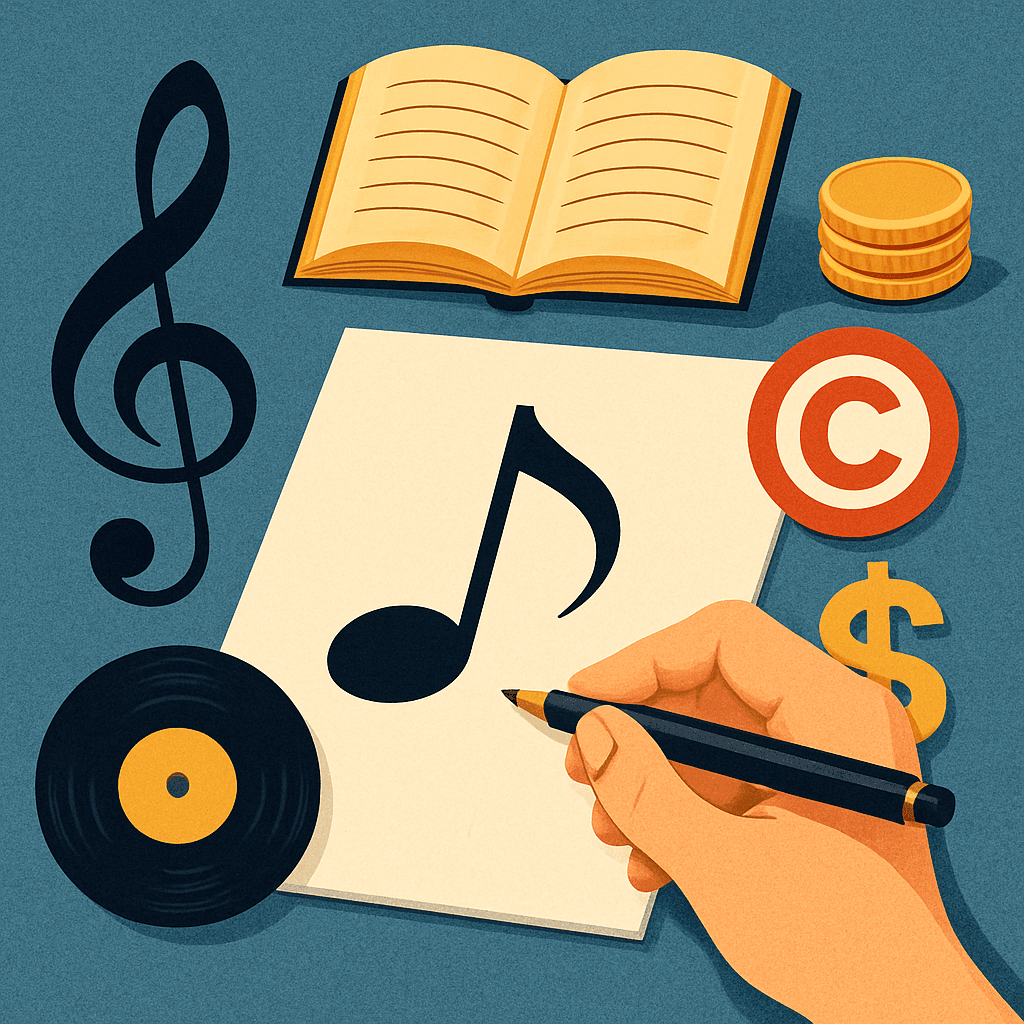
What Does a Music Publisher Actually Do? Your Questions Answered
If you are asking what is a music publisher and whether the trade-off is worth it for your songs, this FAQ gives a practical answer. You will get clear definitions of the publisher role, the royalty streams they handle, common deal types and splits, and real steps to audit, register, or recover publishing income.

Music Royalty Auditing: The Complete Guide to Finding Lost Earnings
If you suspect streams and performances are producing less cash than they should, royalty auditing music is the process that finds the gaps and turns them into recoverable earnings. This guide provides a practical, step-by-step workflow: what data to collect, how to reconcile DSP, distributor and PRO statements, common metadata failures to watch for, and the claim evidence you will need to recover funds.
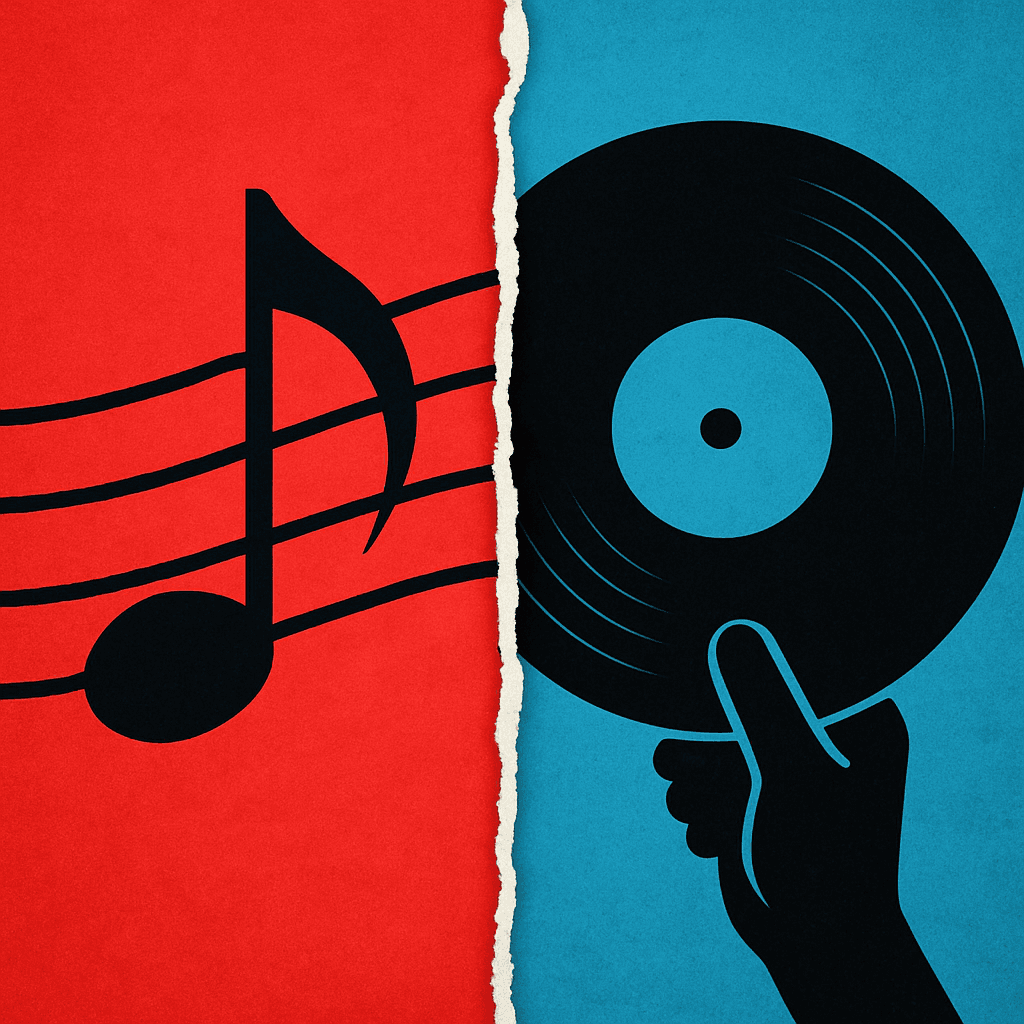
Music Publishing vs Record Label: What's the Difference and Which Do You Need?
If you are an independent artist or songwriter, understanding music publishing vs record label is essential to protecting rights and collecting all possible revenue. This article cuts through jargon to show who controls compositions versus masters, which royalties each collects, and how common deals shift income and control.
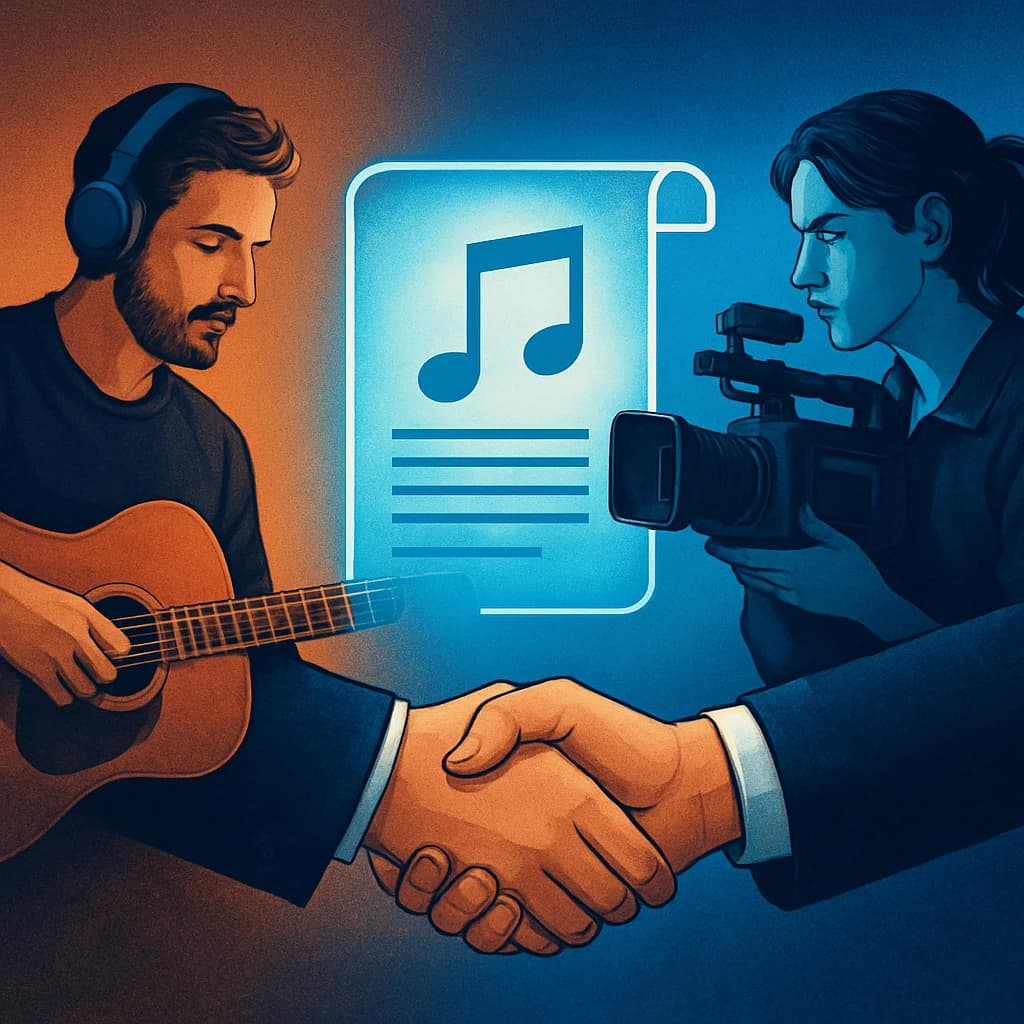
Sync License Agreements Explained: What Musicians and Filmmakers Need to Know
A sync license agreement is the legal permission to put a musical composition to picture, and in practice it is often conflated with the separate master use license that covers the recorded performance. This technical guide breaks down which rights must be cleared, the contract clauses and negotiation levers that matter, how sync fees and downstream royalties flow, and the metadata and cue-sheet practices that prevent missed payments.
Copyright Chain of Title in Music: How to Establish and Verify Ownership
Proving who actually owns a song or master is rarely straightforward; missing split sheets, conflicting society entries, and legacy transfers create real operational risk. This guide lays out a step-by-step approach to build and verify a reliable copyright chain of title for both compositions and sound recordings, listing the exact documents, registry checks, APIs, and red flags you should use.

Top 10 Ways to Maximize Your Music Royalties
If your catalog is leaving money on the table, it is usually down to metadata gaps, missing society registrations, or misdocumented splits. This practical music publishing checklist lays out ten high-impact, step-by-step actions, from registering with societies and standardizing DDEX metadata to claiming mechanicals and enrolling in Content ID, so you can increase and secure royalties across territories and revenue streams.