Commission
The percentage of royalties that a publishing administrator retains from gross collections before paying the remainder to their client. Commission is the primary — and often only — form of compensation for an administrator, and typically ranges from 10% to 25% depending on the deal.
Articles about Commission

Songtrust: Business and Technology Partner to the Creative Community — How to use it for music publishing administration
Songtrust: Business and Technology Partner to the Creative Community provides global music publishing administration for independent songwriters and composers. This guide covers account setup, catalog registration, royalty collection from CMOs worldwide, and when Songtrust makes sense for your publishing rights.

LOMO: What to Know Before Signing with Songtrust
LOMO agreements transfer publishing rights for the entire life of copyright, not a fixed term. Before signing with Songtrust or any publisher offering LOMO terms, songwriters need to understand exactly what rights they're assigning, whether reversion is possible, and how these deals compare to standard publishing contracts.

Music Royalty Calculator: How to Estimate Your PayoutsAugust 1, in 3 steps
Estimating streaming royalties is notoriously difficult because DSP payout models are opaque and rates vary by territory, subscription tier, and platform. This guide provides a three-step framework for calculating realistic payout ranges using your own streaming data.

how to register with artists rights society in 2026
Registering with an artists rights society protects your visual artists rights and ensures you collect royalties from reproduction, resale, and museum licensing. This guide walks through eligibility requirements, required documentation, the registration workflow, and cataloging best practices to maximize copyright licensing monitoring effectiveness in 2024.

How to collect COSON Nigeria music royalties and international earnings through collection societies
African artists routinely miss international royalties because they lack direct relationships with foreign collection societies. A single membership in your home CMO like COSON Nigeria unlocks collection across 120+ territories through reciprocal agreements.

How Performance Royalties Work: A Deep Dive for Independent Artists
Performance royalties explained - a practical FAQ for independent artists who want to stop leaving money on the table. This guide lays out who gets paid for compositions versus recordings, which collecting societies handle each right, and the exact registration and metadata steps (ISWC, ISRC, IPI) you need to ensure plays are matched and paid.

Top Music Publishing Administration Platforms Compared: Features, Fees and Payouts
If you are an independent songwriter, producer or small label deciding where to place your catalog, this music publishing platform comparison cuts through marketing claims to the mechanics that actually move money. You will get a side by side look at fee models, payout mechanics, territory coverage, metadata and split management, and sync support - so you can pick the platform that maximizes collections and reduces revenue leakage.
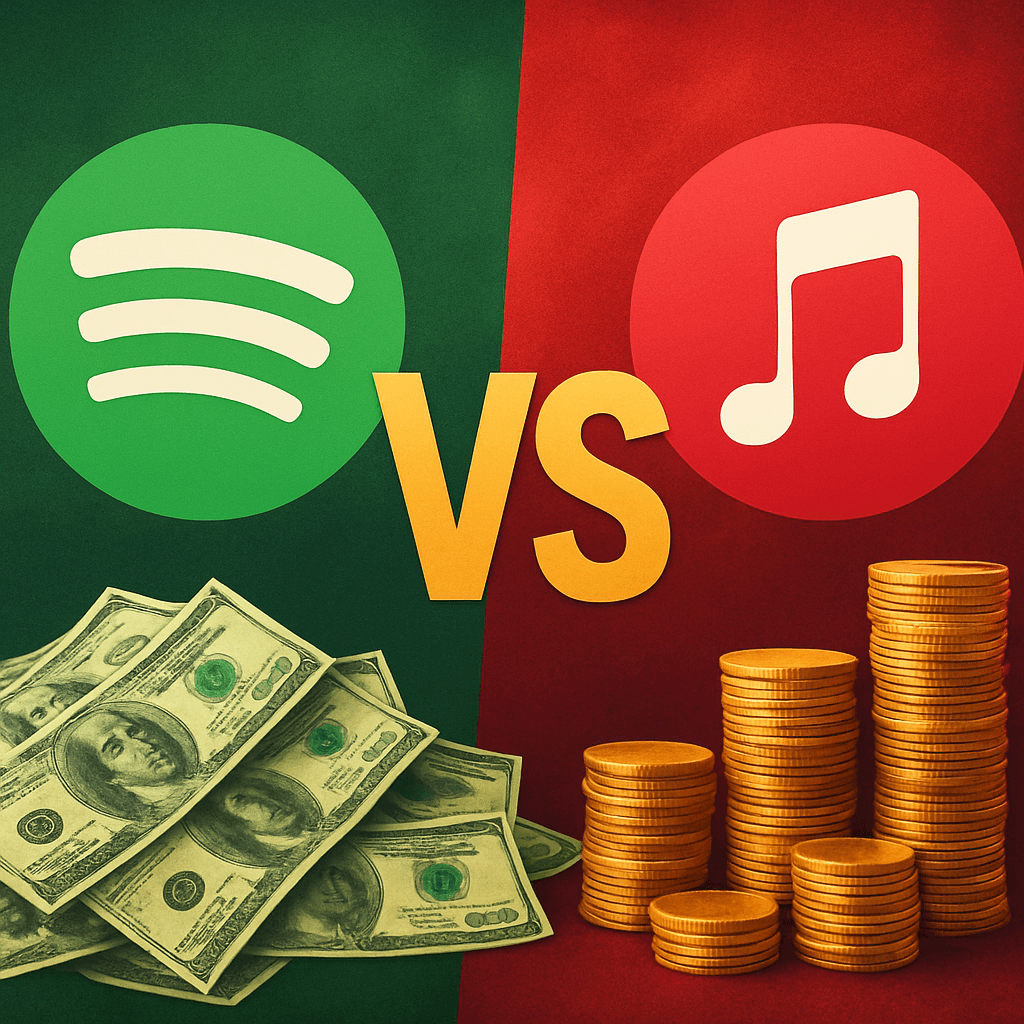
Spotify vs Apple Music: Which Platform Pays Artists More?
Spotify vs Apple Music royalties is a debate in every music community, but the reality is messier than a single per-stream number. This comparison lays out sourced per-stream ranges, explains how master and composition splits and distributor deals change net pay, and walks through worked examples for independents and label-signed artists.
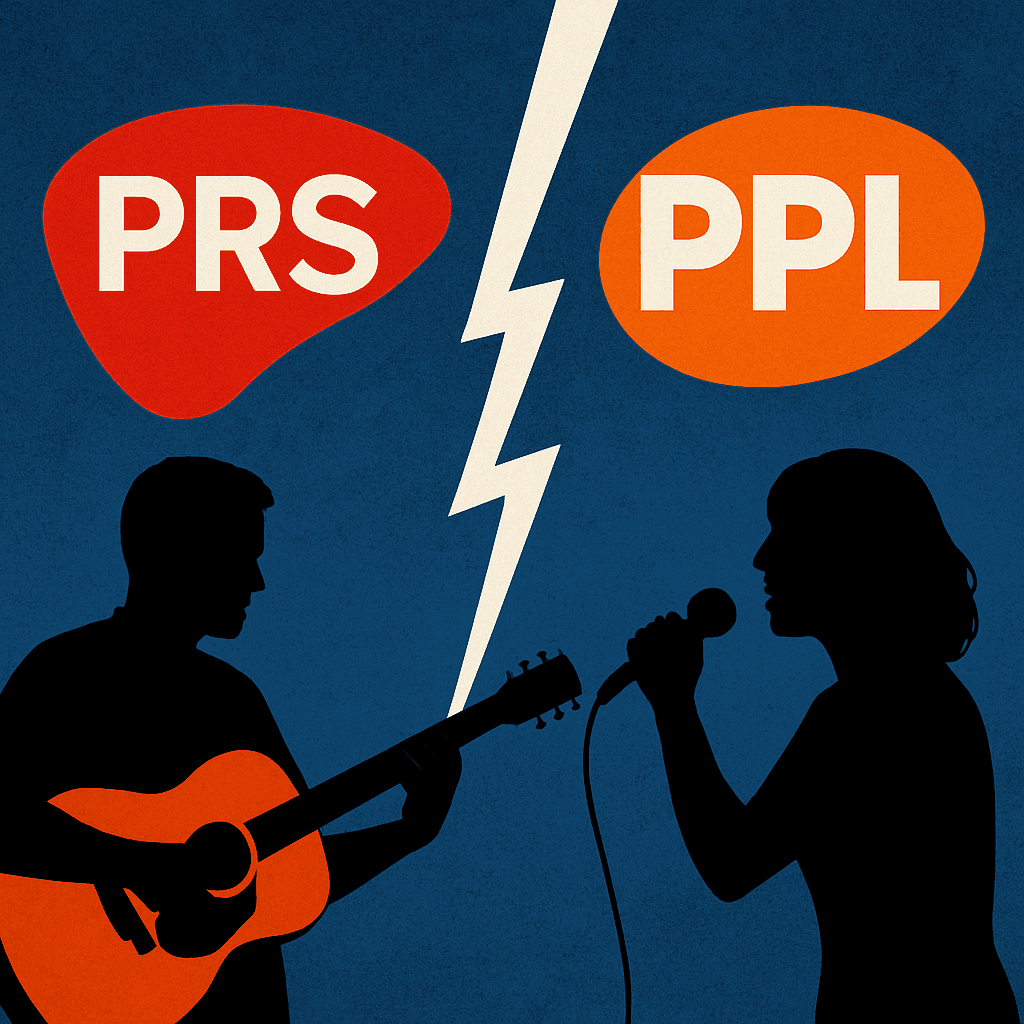
PRS vs PPL: Understanding the Difference for UK Artists
If you release recorded music in the UK, a single radio play or stream can generate two separate payments - one for the song and one for the recording. PRS vs PPL neighbouring rights determine who gets paid for each, and this article lays out exactly what PRS collects, what PPL collects, and the registration steps you need to claim both.