

CMO
Collective Management Organization — an entity authorized to grant licenses and collect royalties on behalf of multiple rights holders. CMOs operate under national law and typically cover specific right types (performance, mechanical, or both). Examples include GEMA, SACEM, PRS, and SOCAN.
Artículos sobre CMO
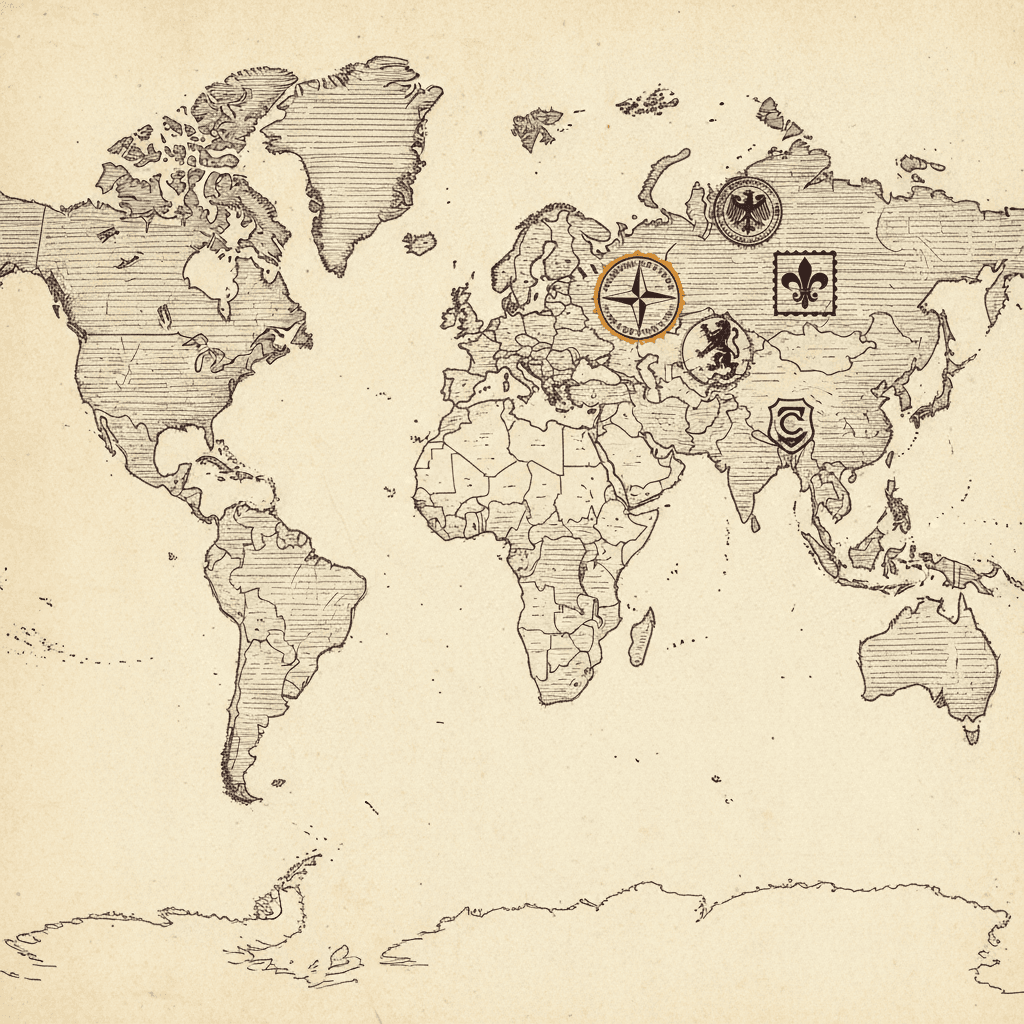
Territory Collection Societies: A Global Guide to PROs and CMOs Worldwide
Territory collection societies form the patchwork of national and regional organizations that collect and distribute music royalties, and knowing who collects which rights in which markets is the practical difference between missing revenue and timely payments. This guide maps PROs, CMOs, neighboring rights and master rights collectors by territory, provides registration and metadata checklists for priority markets, and gives step-by-step troubleshooting and prioritization advice publishers, labels and sync teams can use to recover royalties faster.

Collective Management Organizations (CMOs) Explained: Roles, Payments, and Global Differences
Understanding how a collective management organization operates is essential for anyone designing royalty workflows or reconciling cross-border revenue. This briefing maps the operational roles of societies and the end-to-end payment flows from licensee to rights holder, highlights metadata and matching failure modes that cause leakage, and compares how key territories - the United States, the United Kingdom, and continental Europe - differ in mandate and scope.
Maximizing Pay Sources: 5 Essential Differences Between PROs and CMOs
Music publishing can be complex and confusing, especially when understanding the different pay sources available to songwriters and music publishers. Two of the most essential pay sources in the music industry are PROs (Performing Rights Organizations) and CMOs (Collective Management Organizations).

Top 5 Essential Benefits of Joining a PRO/CMO: Unlock Your Music Royalties Now!
Joining a PRO/CMO can be a game-changer for music artists, songwriters, publishers, and collection societies. These entities play a crucial role in tracking and collecting performance and mechanical royalties, ensuring that creators receive their due compensation for using their musical works.

Demystifying the Process: A Step-by-Step Guide to Affiliating with a PRO/CMO
Introduction Affiliating with a Performing Rights Organization (PRO) or Collective Management Organization (CMO) can seem daunting. However, navigating with the correct information and guidance becomes much more accessible.

Why songwriting camps fail musicians: 5 costly mistakes
Songwriting camps promise collaboration and industry access, but structural failures leave most participants without meaningful revenue or rights. From upfront publishing grabs to administrative breakdowns, here are the five costly mistakes that make camps a poor investment for most writers.

Mistakes Songwriters Should Avoid During Song Registration
Mistakes songwriters should avoid during song registration determine whether you collect every dollar your music earns or leave thousands on the table. Registration errors fragment your catalog and break royalty matching across CMOs, DSPs, and mechanical licensing databases.

Set up Songtrust Spotlight in 5 steps
Songtrust Spotlight gives songwriters visibility into royalty flows across territories and DSPs. This guide walks through the five-step setup process, from account linking to your first data sync, so you can start tracking what you're owed.

Songtrust: Business and Technology Partner to the Creative Community — How to use it for music publishing administration
Songtrust: Business and Technology Partner to the Creative Community provides global music publishing administration for independent songwriters and composers. This guide covers account setup, catalog registration, royalty collection from CMOs worldwide, and when Songtrust makes sense for your publishing rights.