
PPL
Phonographic Performance Limited — the UK CMO that collects and distributes neighboring rights royalties on behalf of record labels and performing artists when their recordings are played on radio, TV, or in public venues. PPL operates alongside PRS for Music, which covers the composition side.
Articles sur PPL

How Do I Upload Music to Apple Music the Right WayJuly 31, — Step-by-Step Guide
Adding your own music files to Apple Music lets you combine personal tracks with streaming catalog songs in one library. This guide walks through uploading local audio files, syncing across devices, and avoiding common pitfalls.
Spotify vs Apple Music: Which Platform Pays Artists More?
Spotify vs Apple Music royalties is a debate in every music community, but the reality is messier than a single per-stream number. This comparison lays out sourced per-stream ranges, explains how master and composition splits and distributor deals change net pay, and walks through worked examples for independents and label-signed artists.
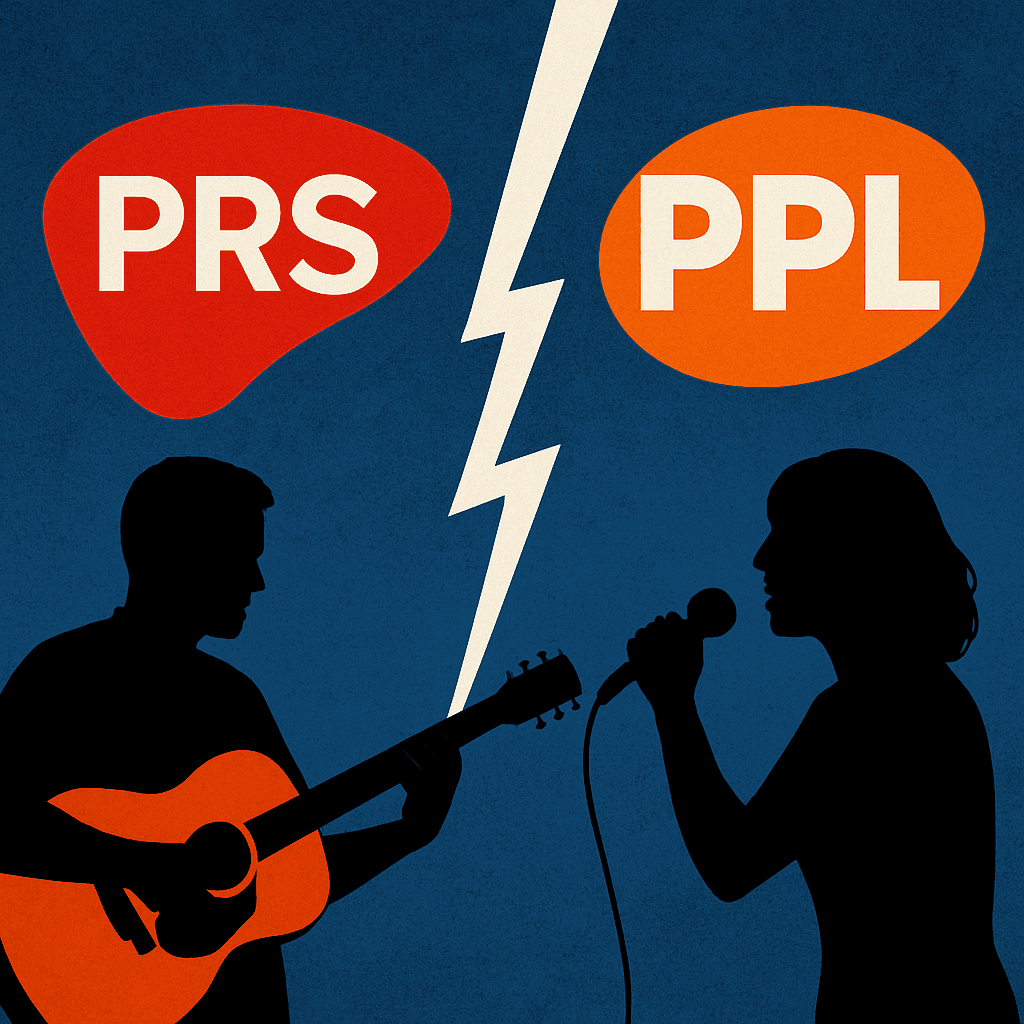
PRS vs PPL: Understanding the Difference for UK Artists
If you release recorded music in the UK, a single radio play or stream can generate two separate payments - one for the song and one for the recording. PRS vs PPL neighbouring rights determine who gets paid for each, and this article lays out exactly what PRS collects, what PPL collects, and the registration steps you need to claim both.
UPC Codes for Music Releases: Why They Matter and How to Apply Them Correctly
UPC codes for music releases are the release-level barcodes retailers, DSPs, and rights processors use to identify, group, and report your products—get them wrong and sales, charts, and royalties will be misallocated. This guide cuts through standards and vendor noise to explain GTIN/UPC basics, how UPCs differ from ISRCs , and the operational tradeoffs of GS1 versus distributor-supplied codes.
How to prepare for a songwriting camp in 7 days
Songwriting camps compress months of networking and creative output into a few intense days. The difference between a productive camp and a frustrating one often comes down to what you do in the week before you arrive.

¿Por que estar en una PRO no es suficiente? Los 3 pasos que faltan
Afiliarte a una PRO es esencial, pero solo cubre derechos de ejecución pública. Mecánicos, sincronización y derechos conexos quedan sin gestionar, dejando miles de dólares sin cobrar cada año para creadores independientes.
Songwriting Camp & Co-Writing Etiquette: How to Get Invited Back
Songwriting camps separate career writers from hobbyists faster than talent alone. The difference is not who writes the best hook but who understands co-writing etiquette well enough to get invited back.

Why songwriting camps fail musicians: 5 costly mistakes
Songwriting camps promise collaboration and industry access, but structural failures leave most participants without meaningful revenue or rights. From upfront publishing grabs to administrative breakdowns, here are the five costly mistakes that make camps a poor investment for most writers.
Mistakes Songwriters Should Avoid During Song Registration
Mistakes songwriters should avoid during song registration determine whether you collect every dollar your music earns or leave thousands on the table. Registration errors fragment your catalog and break royalty matching across CMOs, DSPs, and mechanical licensing databases.