

License
A legal agreement granting permission to a third party to use a copyrighted work for specific purposes, under defined conditions and for a limited period, without transferring ownership of the underlying copyright. Licenses in music include mechanical, performance, sync, master, print, and grand rights licenses.
Artículos sobre License
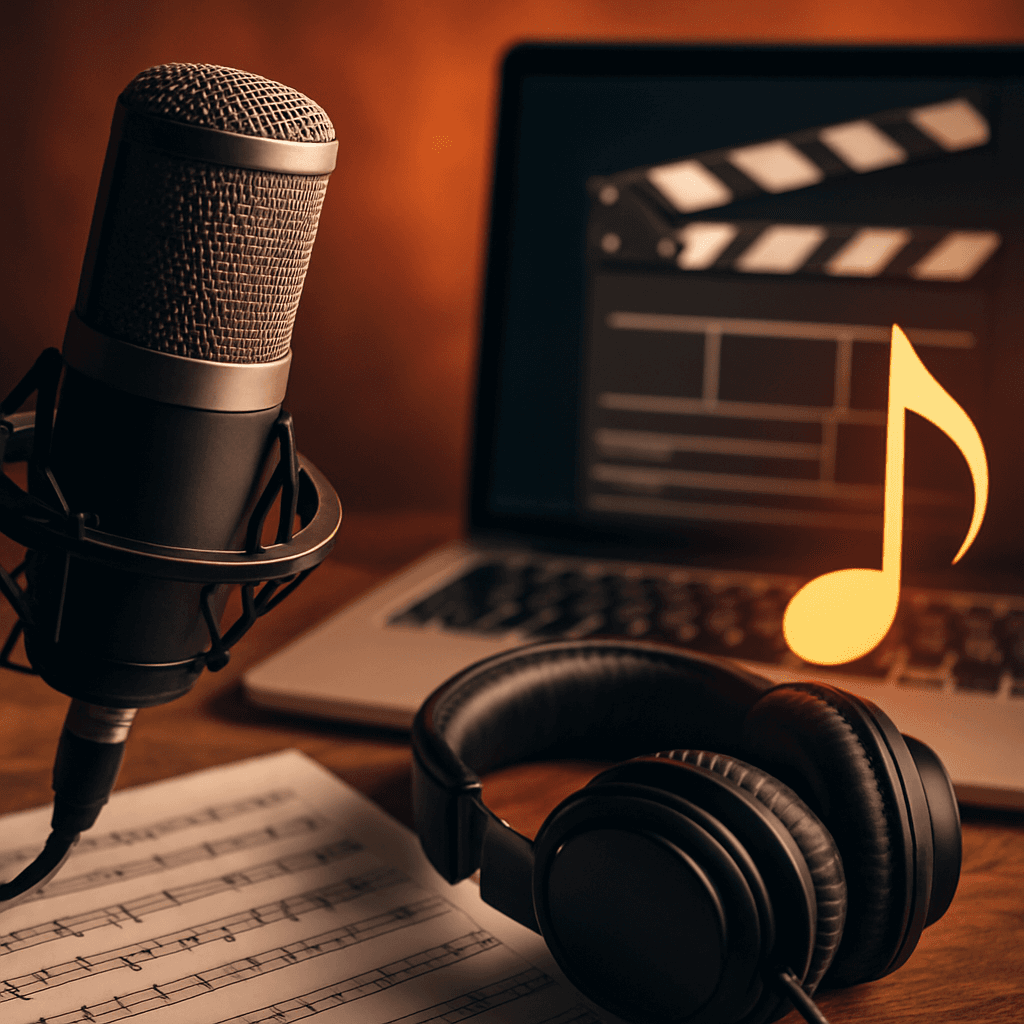
How to Land a Sync License for Your Music in Film and TV
Landing a placement in film or TV can deliver a meaningful sync fee and a big visibility boost, but most opportunities stall because rights are unclear or assets are poorly packaged. This practical guide shows how to get a sync license step-by-step: which rights to clear, the exact files and metadata supervisors expect, where to pitch, negotiation musts, and how to collect every fee and performance royalty after a placement.

Mechanical Licensing Collective (MLC): How to License and Claim Royalty
The Mechanical Licensing Collective (MLC) administers the blanket mechanical license for digital music in the U.S., ensuring songwriters and publishers are paid. Understand how to license music and claim your royalties to avoid unmatched funds.
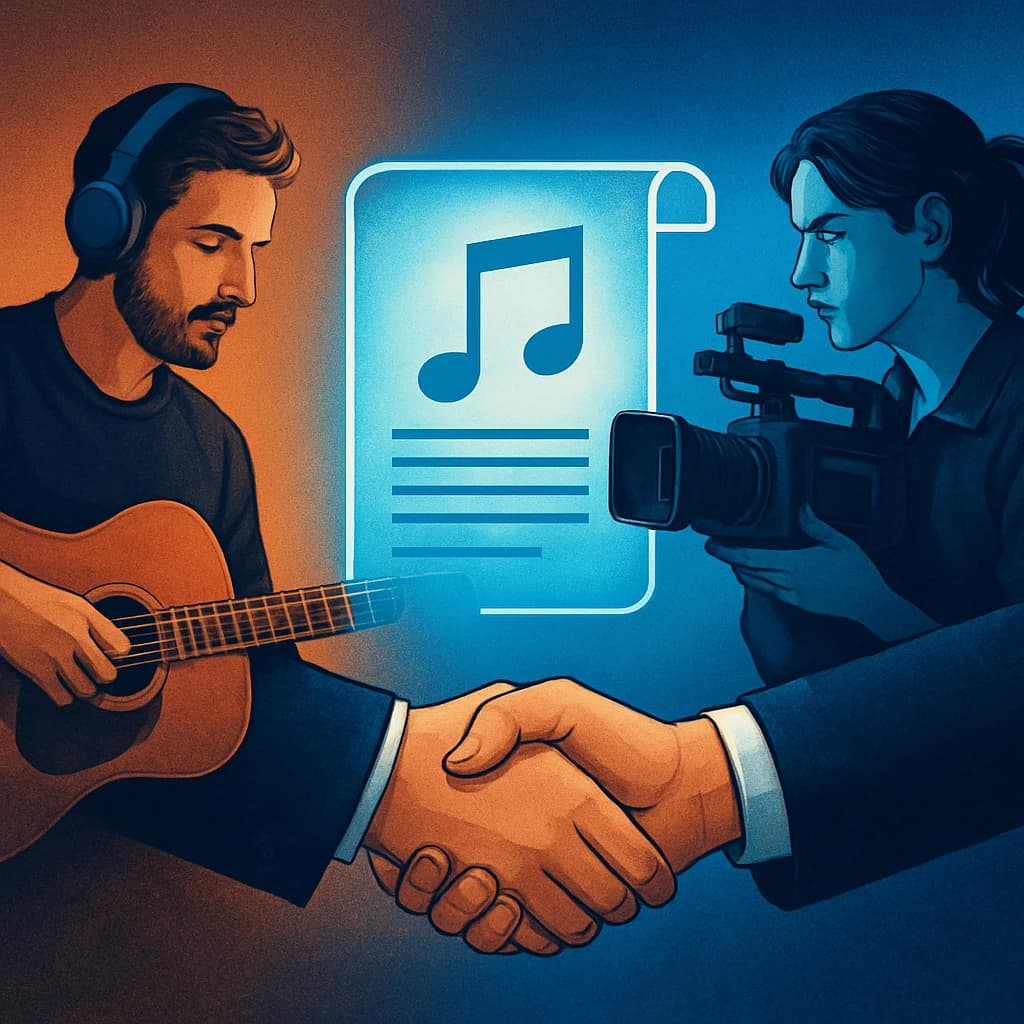
Sync License Agreements Explained: What Musicians and Filmmakers Need to Know
A sync license agreement is the legal permission to put a musical composition to picture, and in practice it is often conflated with the separate master use license that covers the recorded performance. This technical guide breaks down which rights must be cleared, the contract clauses and negotiation levers that matter, how sync fees and downstream royalties flow, and the metadata and cue-sheet practices that prevent missed payments.
Ephemeral Recordings and Licenses: What Publishers Need to Know
If your catalog is streamed, cached, or time-shifted, ephemeral copies are creating rights and payment flows you can no longer treat as incidental. This guide explains the ephemeral recordings license in the U. S. , how 17 U. S. C. sections 112 and 114 interact with SoundExchange and the MLC, and where mechanical and performance obligations overlap.

How Independent Filmmakers License Music and Why You Should Care
How Independent Filmmakers License Music and Why You Should Care Understanding the Landscape of Music Licensing for Independent Films Imagine pouring your heart and soul into a film, only to discover that the perfect song you envisioned for that emotional climax could cost you more than your entire production budget. This is the harsh reality of music licensing for independent films—it’s a minefield that can either elevate your project or leave you scrambling for alternatives.
How to prepare for a songwriting camp in 7 days
Songwriting camps compress months of networking and creative output into a few intense days. The difference between a productive camp and a frustrating one often comes down to what you do in the week before you arrive.

Why songwriting camps fail musicians: 5 costly mistakes
Songwriting camps promise collaboration and industry access, but structural failures leave most participants without meaningful revenue or rights. From upfront publishing grabs to administrative breakdowns, here are the five costly mistakes that make camps a poor investment for most writers.
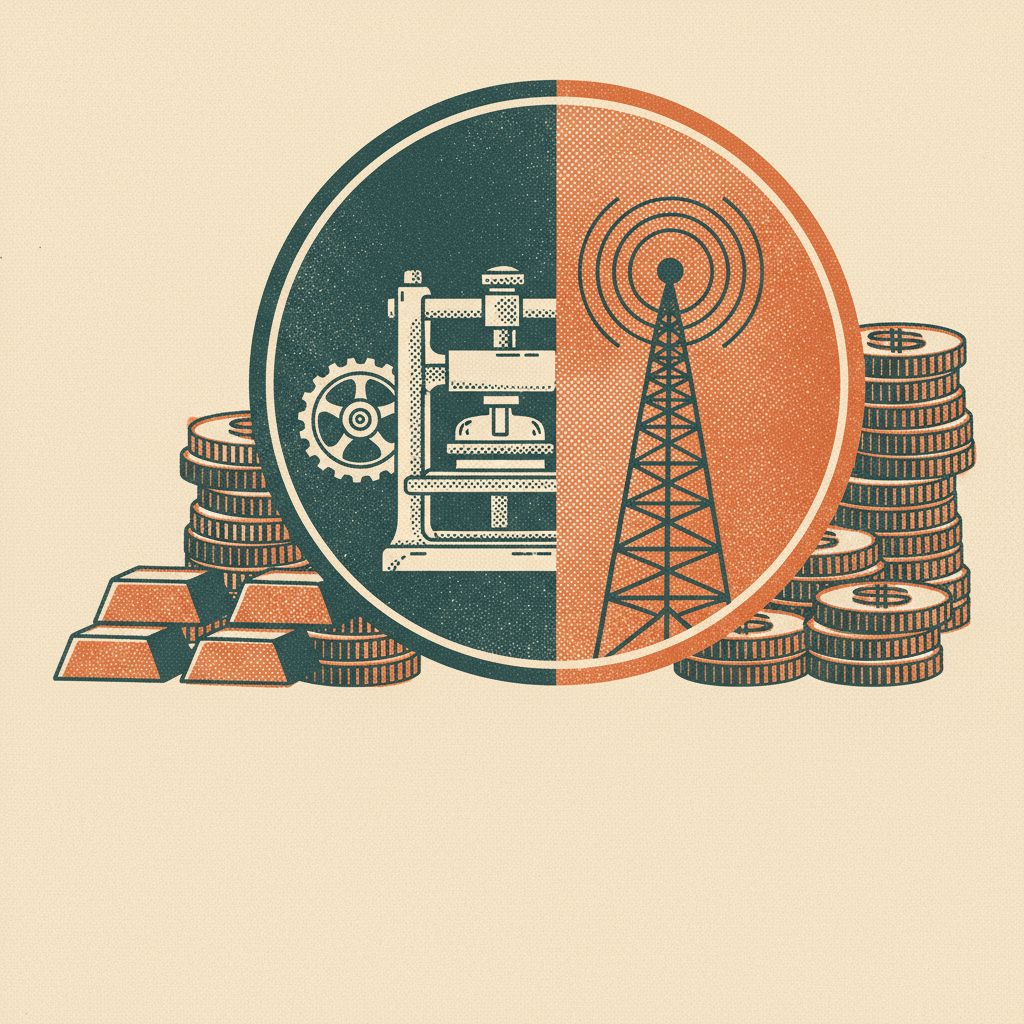
Regalías Mecanicas vs Ejecucion Publica: cómo cobrar ambas correctamente
Las regalías mecánicas y de ejecución pública son flujos de ingresos separados que requieren infraestructura de recaudación diferente. Entender Regalías Mecanicas vs Ejecucion Publica es fundamental para compositores independientes que gestionan sus propios catálogos.

LOMO: What to Know Before Signing with Songtrust
LOMO agreements transfer publishing rights for the entire life of copyright, not a fixed term. Before signing with Songtrust or any publisher offering LOMO terms, songwriters need to understand exactly what rights they're assigning, whether reversion is possible, and how these deals compare to standard publishing contracts.