

DSP
Digital Service Provider — any platform that delivers music to consumers in digital form, including interactive streaming services (Spotify, Apple Music), download stores (iTunes), and non-interactive webcasters. DSPs are required to obtain mechanical and performance licenses and report usage data to rightsholders.
Artículos sobre DSP
DSPs Explained: How Digital Service Providers Handle Metadata, Reporting, and Royalties
DSPs Explained: How Digital Service Providers Handle Metadata, Reporting, and Royalties DSPs explained: this article breaks down how digital service providers ingest and validate metadata, produce event and financial reports, and convert usage into royalty payments. You will get standards-first, field-level guidance including DDEX ERN examples, identifier and split validation rules, reporting cadences, and the matching logic that catches most lost royalties.
how to maximize your BMI music royalties in 2024
BMI collects performance royalties from radio, streaming, TV, and live venues, but many songwriters leave money on the table through registration errors, metadata gaps, and unclaimed international income. This guide shows you how to capture every dollar owed.

Best Catalog Management Software: 10 Music Tools for Independent Rights Holders
Choosing the right catalog management software determines whether you get paid correctly or spend years chasing missing royalties. This guide evaluates 10 platforms by feature depth, territory coverage, and catalog size to help you pick the tool that fits your actual needs.
Barcodes for Music: The Artist & Guide to UPCs & ISRCs
Every digital release needs two types of barcodes: UPCs identify products, ISRCs identify recordings. Getting them wrong breaks royalty tracking, sales reporting, and chart eligibility across every DSP and CMO in your distribution chain.

Boost Music Royalties with Automated Registration System: 5 Steps
Manual song registration costs independent songwriters thousands in missed royalty payments each year. This five-step framework shows how automated registration systems ensure every work is registered across all relevant CMOs and DSPs, eliminating data entry errors and missed deadlines.
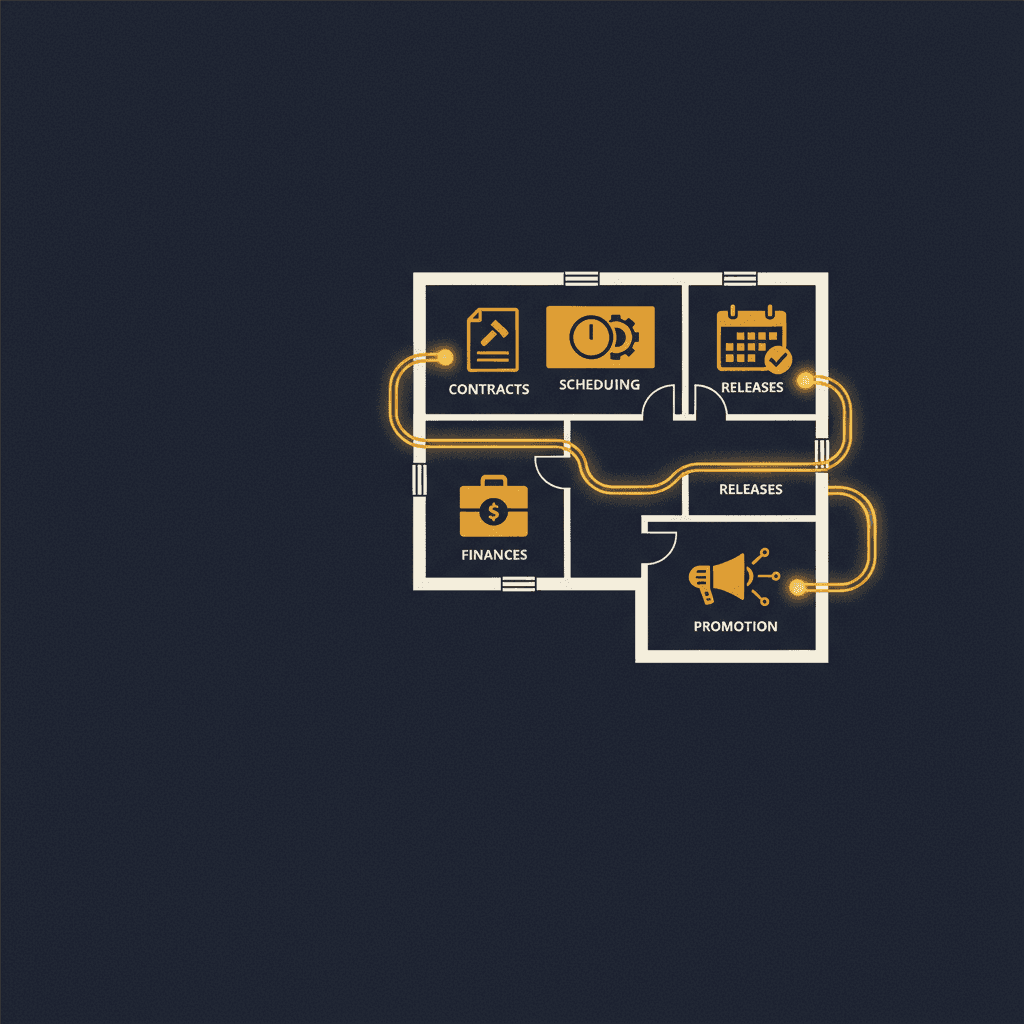
The Top 10 Artist Management Tools for Independent Careers
Choosing the right artist management tools determines whether you run a professional operation or lose contracts in email threads. This guide evaluates the top 10 artist management tools for independent careers, from comprehensive platforms to specialized tour and release management systems.

Agreement of Distribution: A Musician's Guide to negotiating fair terms
Distribution agreements determine how your music reaches listeners and how you get paid. This guide breaks down the essential terms every independent musician must understand before signing, from revenue splits to reversion rights, so you can negotiate deals that protect your catalog and your income.

Effective Accountability Systems for Music Royalties: A Builder's Guide
Legacy royalty systems fail creators through black box statements, 18-month delays, and unexplained deductions. Modern accountability requires transaction-level transparency, immutable audit trails, and standardized data formats that let you verify every payment.
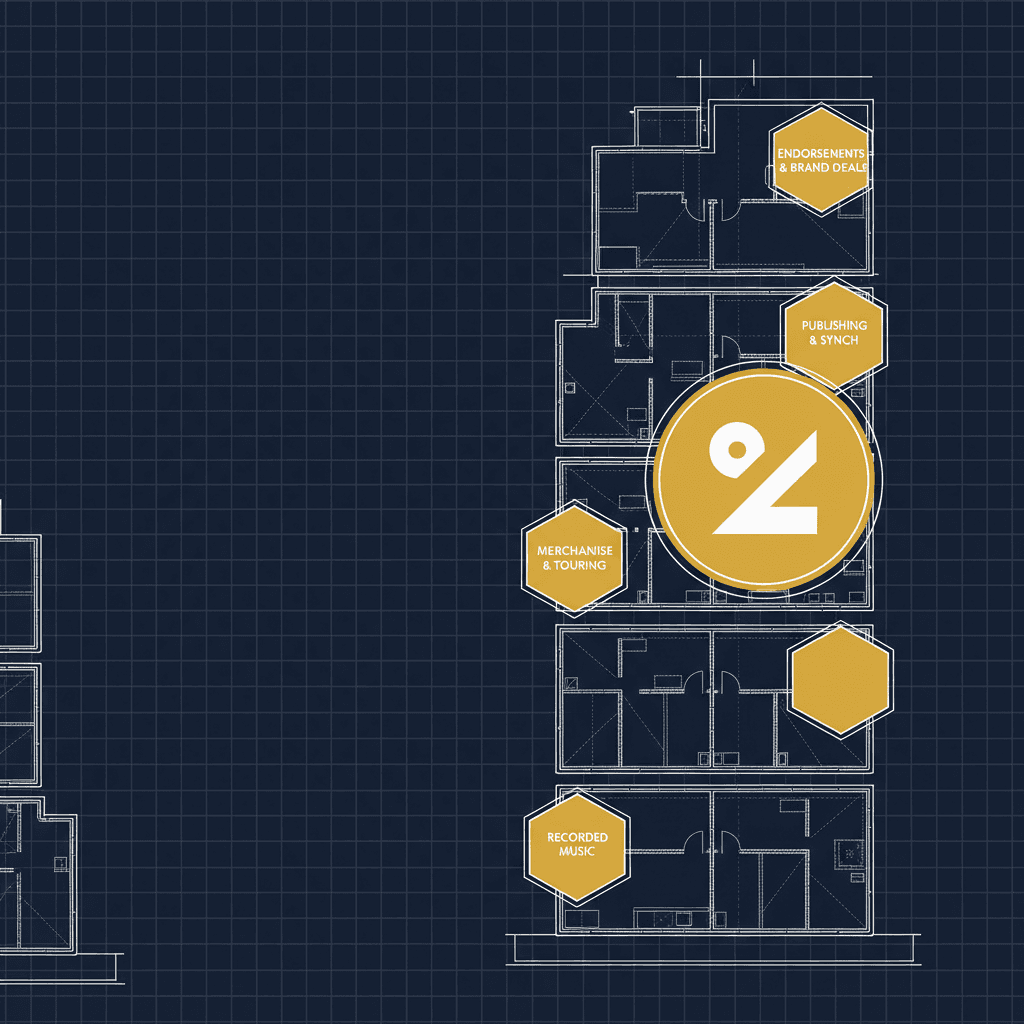
360 Deals in the Music Industry: A 2026 Guide
360 deals let labels take 15-50% of your income across recorded music, touring, merch, brand deals, and sometimes publishing. This guide explains exactly what labels claim from each revenue stream and how to negotiate better terms in 2026.