Blog
Insights, tips, and news about music publishing, royalties, and the music industry. Stay informed on the latest trends and best practices

Afiliarte a una PRO es esencial, pero solo cubre derechos de ejecución pública. Mecánicos, sincronización y derechos conexos quedan sin gestionar, dejando miles de dólares sin cobrar cada año para creadores independientes.
Songwriting & Production
10 min
Songwriting & Production
12 min
Songwriting & Production
11 min
Music Publishing
11 min

Adding your own music files to Apple Music lets you combine personal tracks with streaming catalog songs in one library. This guide walks through uploading local audio files, syncing across devices, and avoiding common pitfalls.

Estimating streaming royalties is notoriously difficult because DSP payout models are opaque and rates vary by territory, subscription tier, and platform. This guide provides a three-step framework for calculating realistic payout ranges using your own streaming data.

Publishing administration explained covers rights management in music publishing, mapping roles, operational handoffs, and industry standards. Learn about workflows, file formats, identifiers, and integration patterns to reduce unmatched revenue and build auditable systems.

Joining SESAC, known for exclusive invitation-only membership, is to being part of an elite club within the realm of performance rights organizations . This music rights agency prides itself on offering personalized service and a unique boutique experience that larger organizations may struggle to provide.

Amazon Music vs. Spotify: Which Platform Matters More for Your Royalties? Countless articles debate Amazon Music vs. Spotify from a listener’s point of view, comparing audio quality, catalog size, and user interface.

Pandora vs. Spotify: The Comparison That Matters for Songwriters Countless articles compare Pandora and Spotify . They focus on music discovery, playlist curation, and the user experience.
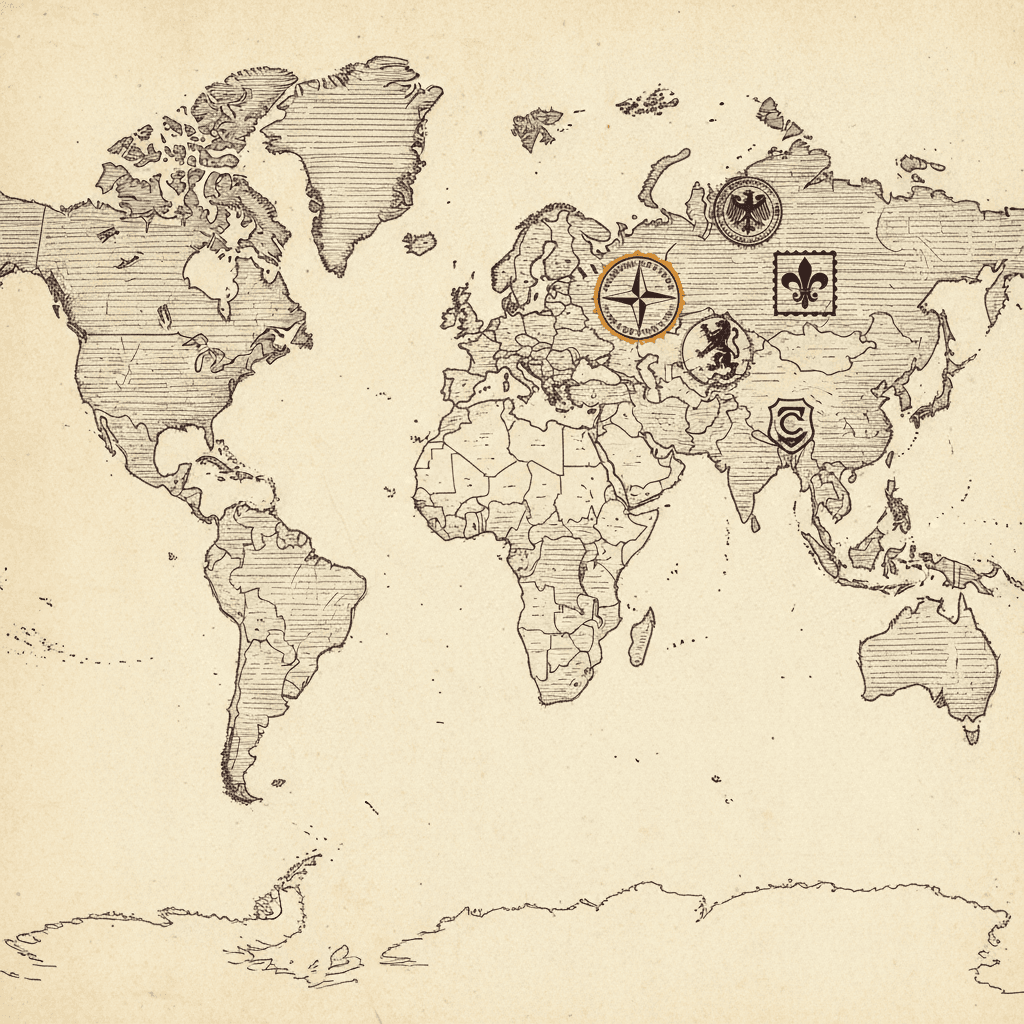
Territory collection societies form the patchwork of national and regional organizations that collect and distribute music royalties, and knowing who collects which rights in which markets is the practical difference between missing revenue and timely payments. This guide maps PROs, CMOs, neighboring rights and master rights collectors by territory, provides registration and metadata checklists for priority markets, and gives step-by-step troubleshooting and prioritization advice publishers, labels and sync teams can use to recover royalties faster.

Registering with an artists rights society protects your visual artists rights and ensures you collect royalties from reproduction, resale, and museum licensing. This guide walks through eligibility requirements, required documentation, the registration workflow, and cataloging best practices to maximize copyright licensing monitoring effectiveness in 2024.
Copyright protection for your music is automatic and free the moment you fix it in a tangible medium. But free registration options and documentation methods can strengthen your legal position without spending money.

African artists routinely miss international royalties because they lack direct relationships with foreign collection societies. A single membership in your home CMO like COSON Nigeria unlocks collection across 120+ territories through reciprocal agreements.

Music publishing terminology is deliberately opaque, designed by an industry that profits from confusion. This glossary translates the language of royalties, rights, and revenue streams into plain terms independent artists can use to get paid correctly.

TikTok, Instagram Reels, YouTube Shorts, and Facebook generate performance, mechanical, and sync licensing royalties that most independent artists never collect. Billions in social media music marketing royalties sit unclaimed with CMOs worldwide because creators don't register works correctly or understand which platforms trigger which rights.