
Radio Royalties: A Comprehensive Guide for Musicians and Fans
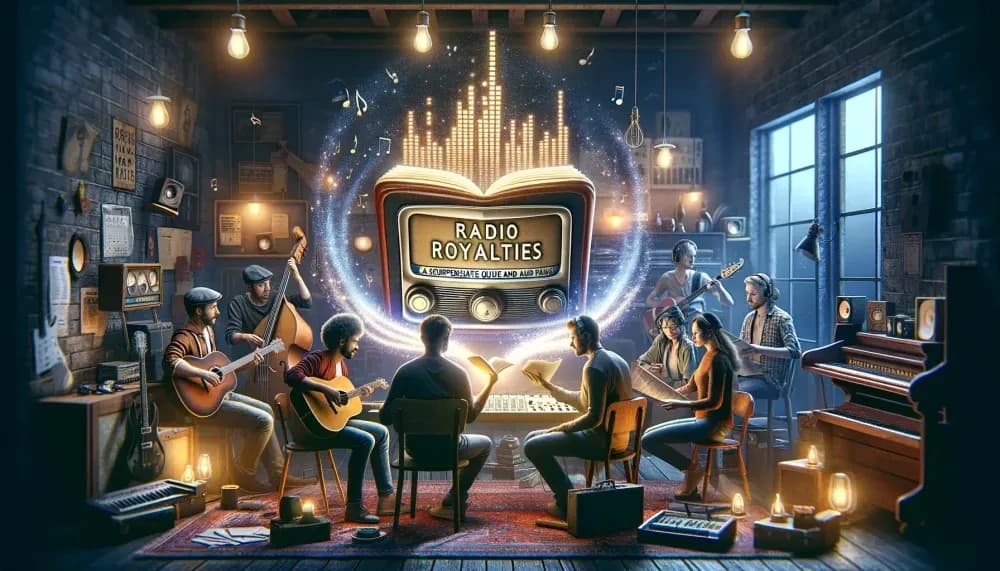
Radio royalties are payments made to songwriters and recording artists when their music is broadcast, collected by organizations like ASCAP, BMI, and SoundExchange depending on the platform. Unlike digital and satellite radio, traditional AM/FM radio stations have historically not paid recording artists, though legislation like the American Music Fairness Act seeks to change this. Musicians can maximize their royalty income by registering with collection societies, understanding different royalty types, and advocating for fair compensation practices.
Radio royalties represent a vital income stream for musicians, yet they are shrouded in complexity. This guide unfolds the layers, from the basics of how royalties work to the intricacies of legislative changes and digital impacts. It highlights entities like SoundExchange that collect royalties for digital performances on platforms like Pandora, ensuring artists are compensated for their music.
Understanding Radio Royalties: The Basics
At the core, radio royalties are payments made to songwriters, composers, and recording artists when their music is broadcasted. These royalties are collected and distributed by various organizations, depending on where and how the music is played.
The Dilemma of AM and FM Radio Royalties
Unlike digital and satellite radio, AM/FM radio stations have historically not paid royalties to recording artists. This disparity stems from laws that view radio play as promotional exposure for the artists.
Why Traditional Radio Stations Don't Pay Artists
Traditional radio stations argue that playing music provides free promotion, benefiting artists through increased sales and concert attendance, hence not requiring them to pay royalties for broadcasts.
The Introduction of the American Music Fairness Act
The American Music Fairness Act seeks to rectify this imbalance by requiring AM/FM radio stations to compensate artists for their music, aligning with practices of digital and satellite platforms.
How Legislation Could Change the Game for Musicians
The Complex World of Music Royalties Explained
are a labyrinth of various types and calculation methods, influenced by factors like the platform where songs are played and the agreements in place with artists and labels.
The Various Types of Music Royalties
Artists earn through multiple royalty types, including mechanical, performance, and synchronization. Each type pertains to different uses of music, from streaming to physical sales.
From Streaming to Mechanical: What Artists Need to Know
Understanding the differences between streaming royalties, which come from services like Spotify, and mechanical royalties, generated through sales of physical media, is crucial for artists to maximize their earnings.
Navigating the Royalty Calculation Maze
The calculation of royalties varies significantly across platforms, influenced by negotiated rates, the artist's popularity, and the type of usage, making it a complex process to navigate.
Understanding How Royalties are Calculated Across Platforms
For performing artists, understanding the royalty calculation process is crucial. Factors such as play count, platform, and listener location all play a role in determining the final payout.
Behind the Scenes: Who Gets Paid and How
The distribution of royalties involves multiple stakeholders from radio stations to , each with a role in ensuring artists are compensated.
Exploring the Roles in Royalty Distribution
The ecosystem of royalty distribution is intricate, with radio stations, digital radio platforms, and music platforms all playing a part in compensating artists whenever songs are played.
Master Rights Holder to Session Musicians: The Ecosystem
From the master rights holder to session musicians, the flow of digital performance royalties and a complex network of creators and rights owners.
The Impact of Digital Platforms on Royalty Payments
The rise of digital platforms has significantly influenced the royalty rate, providing new revenue streams but also presenting challenges in fair compensation.
The Spotify Effect: A Case Study in Modern Royalties
Spotify has revolutionized the way music is consumed, but its impact on royalty payments has been contentious. While it offers a global platform for artists, the per-stream payment model has been criticized for favoring popular tracks and leaving smaller artists struggling. This case study highlights the challenges in balancing fair compensation with the realities of music streaming economics.
Taking Action: How Musicians Can Ensure Fair Compensation
In the evolving landscape of the music industry, musicians are finding it necessary to take proactive steps to secure their income sources. By understanding the intricacies of royalty payments and advocating for better terms, artists can navigate this complex system. This section explores ways musicians can empower themselves to receive fair compensation.
Registering to Collect Music Royalties
For musicians, registering with organizations like ASCAP and BMI is crucial for collecting music royalties. These bodies act as intermediaries between songwriters, publishers, and the entities that play their music, ensuring that artists are compensated for their work. This process is essential for any musician looking to monetize their creations.
A Step-by-Step Guide for Musicians
The first step for is identifying all potential income sources, including performance, mechanical, and synchronization royalties. Next, registering with the appropriate collection societies in their territory and, if applicable, in foreign countries, is essential. Finally, musicians should actively monitor their royalty statements and consider professional help if discrepancies arise.
Advocating for Fair Play in the Radio Industry
Advocacy for fair play in the radio industry has become a focal point for many in the music industry. The push for legislation that mandates royalty payments from all radio broadcasters is gaining momentum. This effort aims to level the playing field, ensuring artists receive compensation for the use of their work, irrespective of the platform.
How Musicians and Fans Can Support the American Music Fairness Act
The American Music Fairness Act represents a significant step towards equitable royalty payments for artists. Musicians and fans alike can support this legislation by contacting their representatives, participating in awareness campaigns, and using social media to highlight the importance of fair compensation. Such collective action can influence policymakers to consider the needs of artists.
Uncovering the Hidden Stories
Behind the glitz and glamour of the music industry lie stories of struggles, challenges, and the relentless pursuit of fairness. This section delves into the lesser-known tales that shed light on the complexities artists face, from navigating controversial support to standing boldly in the spotlight. These narratives offer a deeper understanding of the industry's dynamics.
"Quiet on Set" Directors Reveal Industry Secrets
Directors, often the unsung heroes behind the camera, possess a treasure trove of industry insights. When they speak out, they , the challenges of balancing artistic vision with commercial demands, and the hidden hurdles in achieving success. Their stories are a window into the creative process and the industry's inner workings.
How Stars' Support for Controversial Figures is Uncovered
The support of high-profile stars for controversial figures can sometimes emerge from unexpected revelations. Whether through leaked conversations, social media posts, or candid interviews, these endorsements often spark debates and discussions. Understanding the context and motivations behind such support offers a glimpse into the complex web of personal and professional relationships in the industry.
Anne Hathaway's Bold Move: Confidence in the Spotlight
Anne Hathaway's decision to stand confidently in the spotlight, even when facing criticism, showcases her resilience. Her bold move highlights the importance of self-assurance and conviction in one's abilities, serving as an inspiration to many in and outside the industry.
Dating a Pop Idol: The Story That Captivated Fans
The revelation of a secret romance between a renowned actress and a pop idol captivated fans worldwide. This story, filled with intrigue and speculation, underscores the intense public interest in the personal lives of celebrities. It sheds light on the challenges stars face in maintaining privacy while living in the public eye.
Concluding Thoughts: The Future of Radio Royalties
The future of radio royalties hinges on creating a fair and sustainable system that recognizes the value of all artists. By addressing the current disparities and advocating for equitable legislation, there is potential to transform the music industry. Such changes would ensure that artists are adequately compensated, fostering a more vibrant and diverse musical landscape.
Imagining a World Where Radio Plays Fair
In a world where radio broadcasters are held to the same standards as streaming platforms, the music industry could witness a significant shift. Legislation like the American Music Fairness Act, championed by figures such as Marsha Blackburn, aims to make this a reality. Fair royalty payments could elevate the status of radio as a public service, benefiting artists, listeners, and the industry at large.
The Potential Impact on Artists and the Music Industry
The adoption of fair play practices in radio could have a transformative impact on the music industry. Artists would gain access to new income sources, ensuring a more equitable distribution of royalty payments. This shift would not only empower creators but also encourage a more diverse and rich musical ecosystem, benefiting all stakeholders involved.
Frequently asked questions
What is the difference between performance royalties and mechanical royalties?
Performance royalties are paid when music is broadcast or performed publicly, while mechanical royalties are generated through sales of physical media or downloads. Both are essential income streams for artists and are collected by different organizations.
Why don't AM/FM radio stations pay recording artists?
Traditional radio stations argue that playing music provides free promotion for artists through increased sales and concert attendance. This practice stems from historical laws that view radio play as promotional exposure rather than a use requiring compensation.
How can musicians register to collect royalties?
Musicians should register with performance rights organizations like ASCAP, BMI, or SESAC in their country. These organizations collect royalties on behalf of songwriters and publishers from radio stations, streaming services, and other platforms that use their music.
What is SoundExchange and what does it do?
SoundExchange is a digital performance rights organization that collects royalties for sound recordings played on digital platforms like Pandora, satellite radio, and internet radio. It distributes these royalties to recording artists and labels.
How does the American Music Fairness Act affect artists?
The American Music Fairness Act seeks to require AM/FM radio stations to pay royalties to recording artists, similar to digital and satellite radio platforms. This would create a new income stream for artists whose music is broadcast on traditional radio.
How are streaming royalties calculated on platforms like Spotify?
Streaming royalties are calculated based on factors including play count, listener location, platform subscription rates, and negotiated agreements between platforms and rights holders. The per-stream rate varies and is often criticized for being relatively low for independent artists.
What should musicians do if they notice discrepancies in their royalty statements?
Musicians should carefully review their royalty statements and contact their collection society or distributor to report any discrepancies. Seeking professional help from a music accountant or attorney may be necessary to resolve significant payment issues.
Can independent artists collect radio royalties?
Yes, independent artists can collect radio royalties by registering with performance rights organizations like ASCAP, BMI, or SESAC. They should also register their works with mechanical licensing agencies to collect mechanical royalties from streaming and sales.
AUTHOR

Carlos Palop
CEO & Co-founder, UniteSync
Carlos Palop is a seasoned music publishing expert, adept in rights management and royalty distribution, ensuring artists' works are protected and profitably managed. Their strategic expertise and commitment to fair practices have made them a trusted figure in the industry.