How to Build a Rap Career From Scratch: A Practical Guide
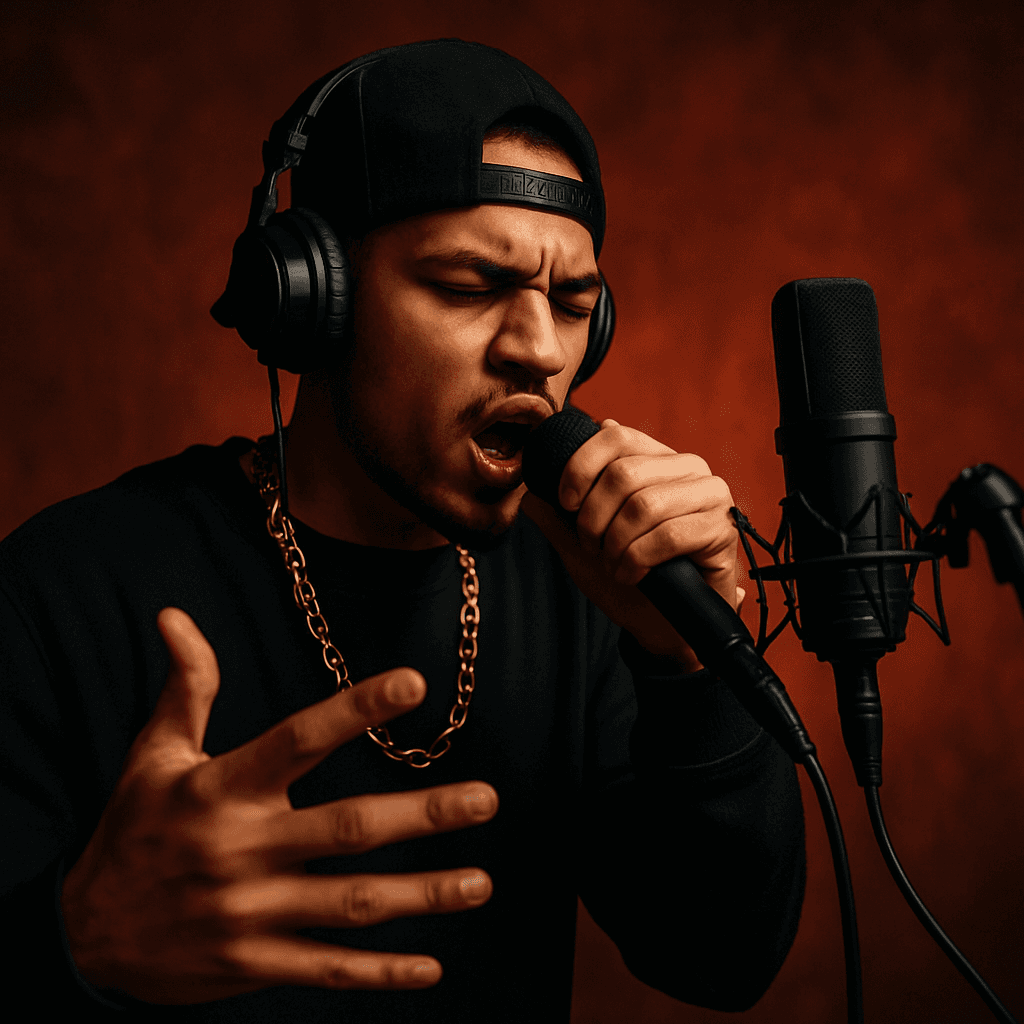
If you need to know how to become a rapper and build a real rap career from scratch, this guide gives a step-by-step roadmap you can follow. You will get actionable routines for developing rap skills and writing rap lyrics, a production and release plan, rights registration and royalty collection tips, and promotion tactics tailored to hip hop audiences — plus a practical 12 month roadmap and sample budget. No hype, just checklists and named tools to use from day one.
1. Clarify Your Artist Identity and Creative Vision
You already have verses and a few tracks. What you likely do not have is a repeatable definition of who you are as an artist and why a listener should choose your music over a dozen other rappers dropping songs this week. Clarifying that identity is not self promotion. It is the single thing that makes songwriting, production choices, release timing, metadata, and promotion coherent.
Why identity matters in practice
Practical effect: A clear artist identity speeds up decisions and reduces wasted spends.** If your mission, reference tracks, and visual cues are defined, you can pick beats, film short clips, and write lyrics that stack together for playlist pitching and consistent social content. Platforms like Spotify for Artists reward consistent signals; metadata and artist narrative matter when you pitch for editorial playlists. Missing metadata is also how royalties get lost; start with clear credits so administrative systems can follow your artistic choices. See how UniteSync helps with metadata audits at UniteSync - Collect Your Missing Music Royalties | Free Audit.
- Niche versus broad: Choosing a narrow angle speeds traction in a scene but can limit mainstream reach later. Treat your initial niche as a launchpad, not a life sentence.
- Authenticity versus strategy: Being authentic is not the same as copying a trend. Use strategic choices to amplify your real strengths, not to fake a persona.
- Iterate don’t freeze: Lock a mission for 3 months and test it. If metrics and fan messages disagree, adjust.
Concrete example: Study Kendrick Lamar for narrative structure and arranging a concept through an EP. Use J Cole as a model for self produced storytelling and raw vocal delivery when budget is tight. Watch Megan Thee Stallion for direct branding and short form social strategy that converts views into followers. None of these are templates to copy; they are specific techniques you can borrow and adapt to your voice.
One-week creative audit checklist
- Day 1 - Topics inventory: List 10 subjects you naturally write about and rank top 3 that feel urgent.
- Day 2 - Reference tracks: Pick 5 tracks that capture tone, flow, and production you want. Note what you like about each.
- Day 3 - Flow audit: Record 3 short freestyles to test different cadences and BPM ranges.
- Day 4 - Strengths log: Write three things producers or friends praise most and two technical weaknesses to fix.
- Day 5 - Live persona test: Perform a 5 minute set to a friend or phone camera focusing on stage attitude, wardrobe, and callouts.
- Day 6 - Visual cues: Collect 6 images, fonts, or color palettes that match your sound.
- Day 7 - Action plan: Create one micro release or social series that reflects this identity.
Artist mission worksheet
Fill these in plainly. Keep the mission to three sentences. Use the reference tracks as production and playlist targets. Replace blanks with concrete answers.
My three sentence artist mission: 1) I make music about __, aimed at listeners who . 2) My sound sits between and , with emphasis on (vocals, storytelling, rhythm). 3) I want my music to make people and to be known for __.
Five reference tracks I will study and use as guides (title - artist - what to copy): 1) __ - - ; 2) - - ; 3) - - ; 4) - - ; 5) - - __.
Target audience: age range __, primary cities/regions , three playlists or shows they listen to __.
What I will refuse or avoid: (sound, topics, collaborations) ____.
Visual shorthand: colors __, wardrobe cues , logo or name styling __.
Measure this mission after 90 days by tracking: monthly listeners, follower growth on two platforms, and three fan comments that match your stated aim.
Next consideration: Use this identity to label your first release and metadata fields. Apply the mission to songwriting and to the short description you submit in Spotify for Artists at pitch time so curators and algorithms see one consistent story.
2. Build a Reproducible Songwriting and Production Workflow
Start with a process you can run every week. If you are serious about how to become a rapper, the difference between ideas and releases is a repeatable routine. Set rules for how a demo becomes a release-ready track, then optimize the slowest steps - usually recording and metadata capture.
Core tools and beat sources
| DAW | Best for / tradeoff |
|---|---|
| FL Studio | Fast beat making and sketching - great for loop-based hip hop. Tradeoff: mixing workflow can feel less linear for live recording. |
| Ableton Live | Flexible for beat making and live performance. Tradeoff: steeper learning curve for traditional multitrack recording. |
| Pro Tools | Industry standard for recording and mixing vocals. Tradeoff: weaker built-in beat tools and higher setup cost. |
| Logic Pro | Great value with strong instruments and workflow for Mac users. Tradeoff: Mac only. |
Beat sources matter. Use BeatStars and Splice for beats and samples, but decide early if you will license beats or commission custom production. Buying cheap leases saves money but creates limits for sync licensing and may require re-licensing when the track grows.
Home studio gear - practical tiers
- Budget (under 500 USD): Audio-Technica AT2020, basic USB interface, headphones. Good for demos and home practice.
- Mid (500 1,500 USD): Focusrite Scarlett 2i2, Shure SM7B or Rode NT1, studio monitors (KRK or JBL), basic acoustic panels. This is where releases start to sound professional.
- Pro (1,500+ USD): Higher end interface, SM7B with Cloudlifter, proper treatment, paid mixing. Reserve this when revenue or goals justify the spend.
Tradeoff to accept. Higher gear improves capture but will not fix weak arrangement, weak lyrics, or unclear delivery. Prioritize finishing tracks and getting feedback over chasing perfect equipment.
Collaboration and file hygiene
Standardize file names and stems every session. Use a filename convention like ArtistSongV1_Date and export labeled stems (vocals, adlibs, beat, fx). Store session notes that include writer and producer credits so you can set splits later.
Collaboration methods. Share stems and session files via Dropbox or WeTransfer. Use Source-Connect or Zoom for live sessions when needed. Use marketplaces like BeatStars or SoundBetter for hiring features. Remote work scales, but it also increases metadata mistakes and split disputes unless you capture credits at the time of creation.
Practical limitation. Remote collaborations are fast but fragile. If you are working with a producer you intend to credit, agree splits in writing before the first release-ready file leaves your inbox. No agreement leads to messy metadata and lost revenue later.
Sample weekly production schedule you can follow
- Monday - Writing (2 hours): Write hooks and 16 bar drafts over 3 to 5 beats. Save best two ideas as demos.
- Tuesday - Arrange (2 hours): Pick one demo, build a full arrangement and mark verse / hook sections in the DAW.
- Wednesday - Record (2 to 3 hours): Record lead vocals and adlibs. Export labeled takes and a rough mix.
- Thursday - Rough mix and feedback (1 to 2 hours): Listen on monitors and headphones, then send to one trusted peer for notes.
- Friday - Revision and stems (2 hours): Apply feedback, bounce final stems, and create a project packet with credits and provisional splits.
- Weekend - Outreach (1 hour): Upload a demo to private SoundCloud share, message a producer or mix engineer, or plan a short clip for social.
Concrete Example: An independent rapper I worked with used this routine to produce two singles in six weeks. He sketched beats in FL Studio on Monday, recorded vocals Wednesday in a treated closet with an SM7B, then sent stems via WeTransfer to a mixing engineer. The strict file naming and a one page credits note prevented any split confusion when the songs started getting playlist attention.
Finish over perfect. Finish and ship three workable tracks before you hire expensive mixing. You can polish winners later when you have data that a track is resonating.
Next consideration: once you can produce a track reliably, the priority becomes turning finished tracks into a release plan that protects metadata and maximizes early playlist and social traction.
3. Create a Release and Catalog Strategy That Builds Momentum
You already have tracks — now make them work for you. A release strategy is not a calendar you fill in once and forget. It is a system that balances content rhythm, promotional windows, and catalog value so each drop compounds the last one.
Choose a cadence that matches resources and goals
- Single-first: release 3 to 6 singles over 6 to 12 months, each with focused promotion. Pros: lower production cost per release, frequent playlist opportunities, steady social content. Trade-off: singles need strong fan-capture hooks or you waste streams.
- EP-led: group 4 to 6 tracks into an EP after you have two to three proven singles. Pros: gives journalists and playlists a package to feature, raises perceived value. Trade-off: higher upfront cost and longer lead time.
- Album as statement: save for when you have a larger audience or tour support. Pros: opens feature pitching and press cycles. Trade-off: slow payoff and risk of losing momentum if you sit on songs too long.
Key judgment: For most emerging rappers the sweet spot is singles to EP. Singles let you test beats, flows, and social hooks cheaply. Use the EP to consolidate momentum when you can pay for one pro mix and a cohesive visual push.
Pick the right distributor for your goals
- DistroKid: cheapest and fastest for frequent singles; good if you want unlimited uploads and simple splits. Best for DIY volume.
- TuneCore: per-release fees make sense if you want ownership clarity and per-release reporting. Good for occasional releases with stricter accounting.
- UnitedMasters: distribution plus brand partnership opportunities; better if you want services layered with artist tools.
- AWAL: selective, label-like services and higher support; choose this only if you can qualify and want stronger editorial placement help.
Metadata and deliverables checklist (non-negotiable)
- ISRC for each track - the code that identifies this recording across platforms.
- UPC for the release - the product code your distributor uses.
- Complete writer and producer splits - include percentages and publishing shares so royalties find you.
- High-res cover art (3000 x 3000 px) and clear image rights.
- Stems or dry vocal for promos and remixes - useful for creators and sync.
- Lyrics and credits file to upload to platforms and pitch editors.
- Target release date and timezone and set the Spotify pitch at least two weeks before release via Spotify for Artists.
| Month | Release and Prep | Promotion & Follow-up (examples) |
|---|---|---|
| Month 1 | Finish one single: record, pro mix, cover art, ISRC/UPC | Create 3 TikTok clips, set up pre-save, claim profile on Spotify for Artists |
| Month 2 | Release Single 1 | Pitch playlists 2 weeks prior, run small ads, collect emails with link in bio |
| Month 3 | Analyze metrics and polish Single 2 | Use best-performing clip from Single 1 as ad creative, reach out to local blogs |
| Month 4 | Release Single 2 | Host a live session, push to independent curators, update mailing list |
| Month 5 | Prepare EP or Single 3 depending on traction | Plan visuals and short-form campaign, prepare press kit |
| Month 6 | Release EP or Single 3 and follow-up playlist pitching | Target sync opportunities and start pitching to indie radio and podcasts |
Concrete example: An independent rapper I worked with released three singles across six months. Each single had a 10 second TikTok hook and one paid ad. After the second single they had 2,000 mailing list signups and used that base to push an EP, which doubled first-week streams compared with any single. The strategy turned small wins into a measurable fan pipeline.
Reality check: Releasing constantly without capturing contact info and without improving production quality wastes time. Frequent releases must be paired with conversion levers — mailing list, merch, or live shows — otherwise you are only feeding algorithmic consumption with no fan ownership.
If you want to know how to become a rapper with a sustainable momentum plan, prioritize repeatable release cycles + fan capture over chasing one viral moment.
4. Rights Registration, Publishing, and How to Collect Royalties
Practical fact: some plays your tracks already earned will never reach you unless you register the right pieces and keep metadata accurate. The work and the recording travel through different collection systems. If you skip registration or leave splits blank you create leaks that are hard to fix later.
Core registrations you must do
- Register songwriters with a performing rights organization (PRO): pick ASCAP, BMI, PRS, or your local PRO and sign every writer to their writer account so public performance money can flow.
- Register the recording with SoundExchange: this collects digital performance royalties for masters in the United States.
- Assign ISRC codes to each recording: ISRC is the recording identifier that links streams and downloads to the correct master.
- Register mechanical rights: in the US the Mechanical Licensing Collective collects digital mechanicals; internationally use a publisher or publishing administrator to collect mechanicals and sync income.
Tradeoff to consider: doing registrations yourself avoids admin fees but requires diligence across territories and time to chase unpaid claims. Using a publishing administrator such as Songtrust buys global reach and claim filing for a percentage of income, typically around 15 percent. A full publisher can offer advances and placement but will take a larger share and sometimes exclusive control.
Common metadata mistakes that cost money: incorrect songwriter names, missing writer splits, wrong ISRC on the distributor file, mismatched release dates, and absent PRO IDs. These are not theoretical errors. They are the reason many independent rappers find foreign zeros on royalty statements.
Concrete example: you release a single and credit only your stage name in the distributor upload while the split agreement names your legal name and your producer. Streams are reported under the stage name to DSPs but the PRO database has the legal name, so performance royalties go unlinked. Recovering that income means paperwork, time, and sometimes giving up revenue while you prove ownership.
Day of release royalty checklist
Checklist you can follow today: verify the ISRCs in your distributor upload match the codes in your project notes. Confirm every writer is registered with a PRO and that the splits are entered exactly the same way in your PRO account and in your distributor metadata. Register the master with SoundExchange and submit the release to a publishing administrator or publisher if you want mechanicals and global collection handled for you. Add composer and publishing credits into the release notes and deliver a clean WAV with stems to any collaborators so future claims can be validated. Upload the song to Spotify for Artists and pitch for editorial so performance data matches your PRO records. Finally, run a quick metadata audit using a spreadsheet: track title, ISRC, UPC, all writer names, writer PRO IDs, publisher names, and writer splits. Save that spreadsheet with a date stamp and store a copy offsite. This checklist adds 20 to 60 minutes to release day but prevents months of lost income and complex claims later.
Important: missing or inconsistent writer splits are the single most common cause of delayed or unpaid royalties.
How UniteSync helps: UniteSync performs royalty audits that find uncollected money and traces payouts across 117 plus countries. If records are messy, an audit locates orphaned tracks and shows which registrations to fix first. Start with a free audit at UniteSync to see if money is already waiting for you.
Next consideration: make this registration routine for every single and beat you release. It is the simplest way to stop leaving royalty money on the table.
5. Promotion Tactics Focused on Rap and Hip Hop Audiences
You have tracks but no reliable way to turn plays into fans. If you are learning how to become a rapper, promotion is what separates hobby releases from a growing rap career. The trick is not more posts, it is posts that reach hip hop listeners and force a clear next step - follow, DM, email signup, or a local show RSVP.
Short form social: make formats that travel
Three content themes that work for rap. Each theme maps to a clear goal - discovery, profile building, or direct fan capture.
- Hooked snippet: 15 to 30 second part of a chorus or verse with a visual that emphasizes the punchline. Goal - raw reach and placement in Reels or TikTok For You pages.
- Behind the beat: short clip showing beat selection or beat making, tagged producer, and a caption noting BPM and mood. Goal - credibility with producers and other artists, plus searchable content for beat makers.
- Performance clip or freestyle: 45 to 60 seconds, one-take energy, crowd or room included if possible. Goal - convert viewers into followers and bookers.
Sample captions and CTA templates. Use these directly in Instagram Reels or TikTok posts.
- Caption 1: New single drop soon. This is the hook. If this hits you, follow for the full verse and early stream link. Drop day: Friday
- Caption 2: Beat made with @ProducerName - 90 BPM grimy loop. Freestyle off one idea. Want the acapella? DM me and I will send it for your remix.
Practical limitation. Short form platforms drive discovery but they reward novelty and high velocity. If you have limited time, prioritize two repeatable formats - a hooked snippet and one behind the beat video - rather than chasing every trend. That concentrates your content and improves conversion consistency.
Playlist pitching and editorial outreach
Pitch like an editor, not a fan. Prepare a 100 to 200 word story for each track that explains mood, audience, and why the track matters now. Submit through Spotify for Artists at least two weeks before release and target independent curators for niche hip hop playlists.
- Identify 8 to 12 playlists that match your sound - include three smaller lists run by independent curators and three regional lists.
- Customize one short sentence per curator that explains why their audience will like your track - mention previous songs of theirs you like.
- Follow up once, with new data or a short acoustic clip, one week after your submission.
Tradeoff to accept. Chasing editorial playlists has low hit rate. Investing equivalent time into building direct channels - an email list, Discord, or recurring local shows - often yields steadier returns for an independent rap career.
Local shows and grassroots promotion that scale
Book predictable live steps. Start with open mics and support slots, then trade performance for promotion - you play, the promoter posts your track and tags you. Use platforms like Sonicbids and Gigmit to find opportunities and to build a booking history.
Use live shows to convert. Bring a simple sign up sheet or QR code linking to a mailing list and a merch card. Even a small show that nets 20 email addresses and 10 merch sales compounds when you repeat monthly.
Concrete example: A rapper in a mid sized city ran three micro shows in two months. Each show attracted 60 to 120 people. They collected emails from 45 attendees total and used those addresses to drive a first single release, converting 12 percent into pre-saves and 6 percent into small merch purchases. That direct funnel paid for the next recording session.
Focus promotion on one measurable conversion per campaign - follow, email signup, or ticket sale - then design every post and pitch around that conversion.
Pitch template for curators and local promoters. Use this as a copy paste starter: Hi Name - I am ArtistName from City. My new single Title releases on ReleaseDate. It fits listeners who are into ReferenceArtist and ReferenceTrack because of Theme or Mood. Attached is a 30 second preview and promo assets. I can provide stems and a live performance slot on Week or Date if you are programming local shows. Follow up: I will check back in one week.
Next consideration. After you pick one platform to focus on, set a simple weekly calendar - two recorded shorts, one long performance clip, and one outreach email to curators or promoters. Measure the conversion rate and double down on what brings you paying fans.
6. Monetization Beyond Streaming
You probably earn more from sources you are not tracking. Streaming pays small amounts per play; the real, repeatable money for most independent rappers comes from direct sales, sync, live shows, and services you provide with your skills.
Prioritize revenue streams that scale without viral luck
- Direct-to-fan sales: use Bandcamp and your merch store. High margin per transaction but requires audience and simple checkout.
- Merch and bundles: print-on-demand (Printful) reduces inventory risk; local runs raise margins but need cash up front and fulfillment planning.
- Sync licensing: pitch to shows, ads, and indie games using platforms like Songtradr. One placement can pay as much as thousands for a single use.
- Live performance fees: build a local circuit — small shows pay $100–$500; festivals and headline slots pay substantially more once you have a draw.
- Publishing income & mechanicals: make sure splits and metadata are set so sync and radio plays generate royalties (see UniteSync - Collect Your Missing Music Royalties | Free Audit).
- Service work: beat making, guest verses, teaching, and mixing — steady income if you price time correctly.
- Subscriptions & patronage: Patreon or Bandcamp subscriptions give predictable monthly income from committed fans.
Key tradeoff: choices that reduce risk also cut margins. Print-on-demand avoids upfront cost but nets less per shirt; doing a small run gives better unit profit but ties up cash and storage. Decide by your cash runway and how quickly you can sell inventory.
Concrete use case
Example: an independent rapper in a mid-sized city sells 40 shirts a month at $30 retail via their website using Printful, keeping roughly $10 per shirt after costs — about $400 net monthly. They book four local shows a month averaging $150 each, adding $600. A single small sync placement on a regional commercial pays $1,200. Together these non-streaming sources move monthly cash from a trickle to a dependable supplement.
| Revenue stream | How to start | Realistic first-year range (indie) |
|---|---|---|
| Merch | Set up Bandcamp/shopify + Printful or small run | $500–$6,000 |
| Live shows | Book local venues and support slots | $1,200–$10,000 |
| Sync licensing | Upload stems to Songtradr; register publishing | $0–$5,000+ (one placement changes everything) |
| Direct sales (Bandcamp) | Release exclusive bundles and pay-what-you-want | $200–$3,000 |
| Services (beats, features) | Offer packages on social and BeatStars | $500–$8,000 |
Practical insight: focus on one predictable channel first. If you have a small but engaged fanbase, test merch and a subscription before chasing sync. If you produce beats, sell licenses and provide stems with clear contracts — it scales faster than relying on playlist politics.
What people misunderstand: many aspiring rappers chase high-risk, high-reward plays like NFTs or viral-only strategies. Those can pay out, but they are speculation, not a monetization plan. A dependable path combines small-scale sales, paid gigs, and publishing control.
Next step: pick one non-streaming channel to activate this month — set one measurable goal (for example: launch a three-item merch bundle and sell 25 units in 60 days) and map the costs. Treat monetization as part of learning how to become a rapper, not an afterthought.
7. A 12 Month Roadmap with Metrics, Budget, and Milestones
Start practical. You likely have a handful of tracks and no calendar. Treat the first 12 months like a series of experiments with measurable goals. This plan answers how to become a rapper by turning creative practice into repeatable business steps you can evaluate monthly.
Quarterly roadmap snapshot
| Quarter | Focus & milestones | KPIs (targets) | Budget range (USD) |
|---|---|---|---|
| Q1 | Finish 3 release-ready singles. Build profiles, claim accounts. Set metadata standard and write split agreements. | Monthly listeners 0 -> 1,500; 1,000 social followers; email list 0 -> 200 | Low 800 Mid 2,500 |
| Q2 | Release 2 singles. Run ads for best performing track. Book 3 local shows or open mics. | Monthly listeners 1,500 -> 5,000; 2,500 social followers; first revenue from streams and gig fees | Low 1,200 Mid 3,500 |
| Q3 | Release a 5 track EP or mixtape. Launch merch drop. Apply for playlist pitching and sync opportunities. | Monthly listeners 5,000 -> 15,000; email list 200 -> 800; 1 small sync or licensing lead | Low 1,500 Mid 5,000 |
| Q4 | Consolidate best tracks into a promoted mixtape. Tour regionally or do livestream residency. Audit royalties and metadata. | Monthly listeners 15,000 -> 30,000; cumulative followers 10k; total revenue covers recurring monthly budget | Low 1,000 Mid 6,000 |
Tradeoff to accept. With limited cash you must choose between one high quality flagship release and a steady drip of singles. In practice steady releases grow fans faster while a flagship release demands more marketing budget to justify the bump. If you can fund only one item, spend on one great mix and a short, sharable video rather than multiple half finished songs.
- Weekly KPIs to track: Streams per release, new followers, content views, DMs and playlist adds.
- Monthly KPIs to track: Monthly listeners, listener to follower conversion, email sign ups, revenue by source.
- Tools: Use Spotify for Artists for listeners and playlist data, SoundCloud Creator Guide for early audience signals, and a simple Google Sheet to hold weekly snapshots.
Concrete example: A rapper released six singles across 12 months. In month four they boosted the third single with $300 of targeted ads and a short performance video. That track became the core of a Q3 EP, which increased monthly listeners from 4,200 to 12,500 and paid for half the EP mixing costs. The lesson: small, timed investments against proven tracks beat blind spending on every release.
Metric to watch that people miss. Track revenue per channel not only total revenue. Streams look impressive until you see ad spend and streaming splits leave almost nothing. Knowing which single, playlist, or video actually drove conversions is how you learn what to scale.
| Weekly KPI | Target (example) | Why it matters |
|---|---|---|
| New followers across platforms | 100 | Shows audience growth and content resonance |
| Streams on newest release | 5000 | Signals playlist traction and ad ROI |
| Email sign ups | 25 | Direct fan channel you control |
| Press or playlist contacts made | 5 | Feeds future placements |
Do not postpone the royalty audit. Schedule a UniteSync audit in month 10 to capture any missed international income before your catalog grows.
AUTHOR
Charly
Carlos Palop is a seasoned music publishing expert, adept in rights management and royalty distribution, ensuring artists' works are protected and profitably managed. Their strategic expertise and commitment to fair practices have made them a trusted figure in the industry.