Does DistroKid Collect All Your Mechanical Royalties?
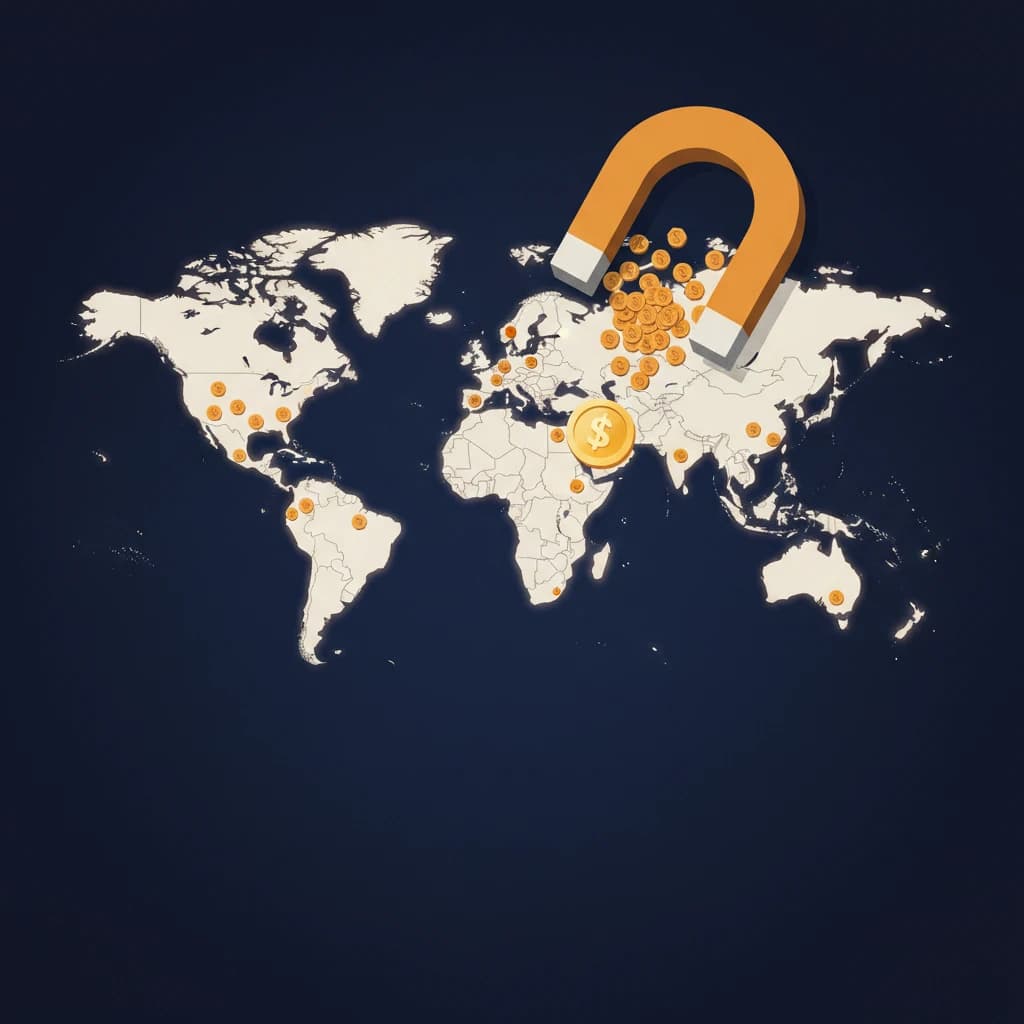
DistroKid collects some, but not all, of your mechanical royalties.
This is the most direct answer, but it hides a more important truth for independent songwriters. While a music distributor like DistroKid is essential for getting your music onto platforms like Spotify and Apple Music, their ability to collect your global songwriting royalties is limited, especially when it comes to mechanical royalties earned outside the United States.
To understand what they collect, what they miss, and how you can claim it, you first need to separate the two main copyrights in any piece of music: the sound recording and the underlying musical work (the composition).
A music distribution service primarily deals with the sound recording. A music publisher or publishing administrator deals with the musical work. Your songwriting royalties come from the musical work, and they are split into two main streams: performance royalties and mechanical royalties.
What DistroKid collects by default: recording royalties.
Free audit
See exactly which royalties you're collecting, and which you're missing.
By default, DistroKid’s main job is to act as your music distributor. They deliver your sound recordings to Digital Service Providers (DSPs) like Spotify, Apple Music, and TikTok. In return, they collect the royalties generated by those recordings and pay them to you.
These are often called master royalties or recording royalties. This is the money owed to the owner of the recording, which is usually the artist or label. This is a crucial service, but it is not music publishing. It does not involve collecting the royalties owed to you as the songwriter for the use of your composition.
Some distributors may also help you register with SoundExchange to collect digital performance royalties for your sound recording in the US. This is still a recording royalty, separate from the composition royalties we are focused on here.
What about the DistroKid Publishing add-on?
DistroKid offers an add-on service that acts as a publishing administrator. This service is designed to help you collect the songwriting royalties that their core distribution service does not. It’s a similar offering to what you might find from CD Baby Pro Publishing or TuneCore Publishing.
This add-on will register your songs with a Performing Rights Organization (PRO) like ASCAP or BMI in the US, or other similar societies globally. A PRO, a type of Collective Management Organization (CMO), is responsible for tracking and paying out performance royalties. These are earned whenever your song is played publicly, including on the radio, in a bar, or as a stream.
For mechanical royalties in the US, the add-on will register your musical works with The Mechanical Licensing Collective (The MLC). The MLC was created by law in the US to issue blanket licenses to streaming services and pay the resulting mechanical royalties to songwriters and publishers. So, if you use the add-on, DistroKid collects these specific US-based streaming mechanicals for you.
The global mechanical royalties most distributors miss.
The MLC only covers streaming mechanical royalties generated within the United States. It has no authority to collect royalties from streams in Germany, downloads in Japan, or physical CD sales in Brazil. This is the biggest gap that simple publishing add-ons leave in a songwriter's income.
Outside the US, mechanical royalties are managed by a complex network of local Mechanical Rights Organizations (MROs) and other CMOs. Societies like GEMA in Germany, SACEM in France, Unison in Spain, and JASRAC in Japan all collect mechanicals in their own territories. To collect this money, your songs must be correctly registered with each of them.
A true publishing administrator builds direct relationships with these societies around the world. They register your works using industry-standard formats like Common Works Registration (CWR) to ensure accuracy. This direct network is essential for comprehensive and efficient collection. Many basic add-on services lack these direct relationships, meaning your royalties may go unclaimed or be delayed by passing through multiple intermediaries.
How to collect all your songwriting royalties worldwide.
Relying on a distributor's add-on is often not enough to capture all your earnings as a songwriter. A complete global collection strategy requires separating the tasks of distribution and publishing administration.
First, you need to ensure your data is clean and complete. Every songwriter is assigned an Interested Party Information (IPI) number to uniquely identify them. Every musical work should be assigned an International Standard Musical Work Code (ISWC), and every sound recording has an International Standard Recording Code (ISRC). A publishing administrator links these identifiers together to track your works accurately across all platforms and territories.
Without this detailed, global registration, your mechanical royalties from outside the US will accumulate at local societies, where they will sit as unclaimed royalties. After a period of time, typically a few years, this money may be distributed to the society's members based on market share, meaning it will never reach you, the rightful copyright owner.
Your action plan for global royalty collection:
- Use a distributor for distribution. Use a service like DistroKid for its core strength: distributing your sound recordings and collecting your recording royalties.
- Affiliate with a PRO for performance royalties. Join a single performance rights organization in your home country (like ASCAP, BMI, or SESAC in the US; PRS in the UK; KODA in Denmark) to collect your writer's share of performance royalties.
- Partner with a publishing administrator for everything else. Work with a dedicated publishing admin to register your songs globally and collect your mechanical royalties from all sources, worldwide. They also collect the publisher's share of performance royalties on your behalf.
Understanding the different roles of a music distributor, a PRO, and a publishing administrator is key to building a sustainable career as an independent artist or songwriter. Each plays a distinct and necessary part in ensuring you are paid for every use of your music.
The music industry is complex, but your royalty collection strategy does not have to be. By putting the right partners in place, you can ensure your focus remains on your songwriting, confident that your business is being handled correctly. If you are ready to capture all the mechanical royalties you've earned, the next step is to work with a partner built for the complexities of the global music publishing landscape.
AUTHOR

Charly
Carlos Palop is a seasoned music publishing expert, adept in rights management and royalty distribution, ensuring artists' works are protected and profitably managed. Their strategic expertise and commitment to fair practices have made them a trusted figure in the industry.