

Cue sheet
A document produced by a film or TV production company listing every piece of music used in the production, including title, composer, publisher, ISWC, duration, and type of use (background, theme, featured, etc.). Cue sheets are submitted to PROs to enable accurate performance royalty distribution to rights holders.
Articles sur Cue sheet

What Are Neighbouring Rights in Music? Everything Artists and Labels Need to Know
If you've wondered what is neighbouring rights music and why performers and labels sometimes get separate checks from songwriters and publishers, this FAQ cuts through the confusion. It explains who neighbouring rights protect, how collections work across key territories, the essential metadata and registration steps that actually matter, realistic revenue expectations, and practical next steps to claim unpaid royalties.

Top Music Publishing Administration Platforms Compared: Features, Fees and Payouts
If you are an independent songwriter, producer or small label deciding where to place your catalog, this music publishing platform comparison cuts through marketing claims to the mechanics that actually move money. You will get a side by side look at fee models, payout mechanics, territory coverage, metadata and split management, and sync support - so you can pick the platform that maximizes collections and reduces revenue leakage.

SOCAN vs ASCAP: Which PRO Is Right for You?
Deciding between SOCAN vs ASCAP determines where and how your performance royalties are collected and paid. This SOCAN vs ASCAP comparison walks through eligibility, territorial scope, what each PRO does and does not collect, registration and split workflows, payout mechanics, and the metadata mistakes that cause missing royalties.
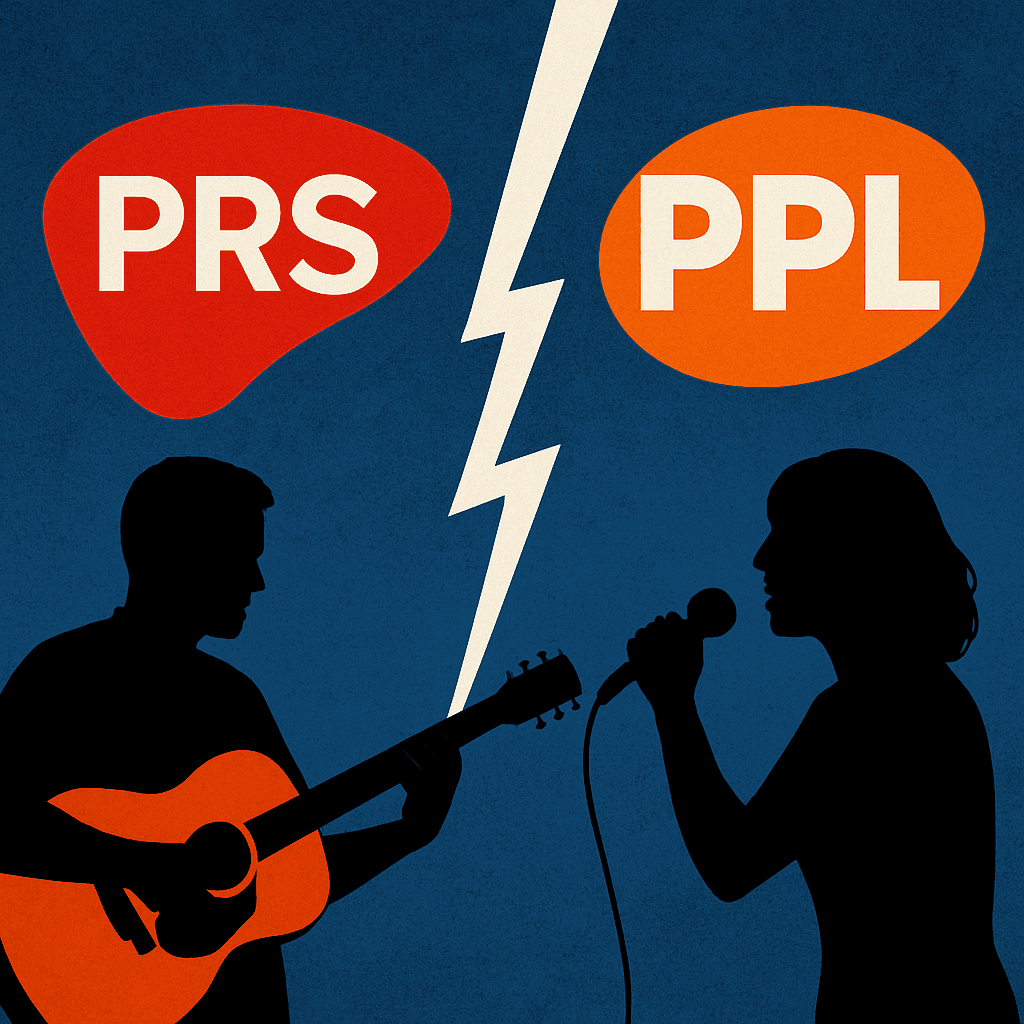
PRS vs PPL: Understanding the Difference for UK Artists
If you release recorded music in the UK, a single radio play or stream can generate two separate payments - one for the song and one for the recording. PRS vs PPL neighbouring rights determine who gets paid for each, and this article lays out exactly what PRS collects, what PPL collects, and the registration steps you need to claim both.

How to Build a Sustainable Music Career as an Independent Artist
This practical how to build music career guide gives independent artists a step-by-step roadmap to create reliable income, retain rights, and grow an engaged fan base. You will get concrete music career tips on revenue diversification, rights registration and royalty collection, repeatable release and promotion workflows, live and direct-to-fan strategies, and measurable milestones to use over the next 12 months.

How Rappers Actually Become Famous: The Real Path to Recognition
Wondering how do rappers become famous? This practical how-to guide lays out the repeatable path from craft and short-form promotion to distribution, rights management, and measurement, with a 90-day checklist you can start today.

How to Land a Sync License for Your Music in Film and TV
Landing a placement in film or TV can deliver a meaningful sync fee and a big visibility boost, but most opportunities stall because rights are unclear or assets are poorly packaged. This practical guide shows how to get a sync license step-by-step: which rights to clear, the exact files and metadata supervisors expect, where to pitch, negotiation musts, and how to collect every fee and performance royalty after a placement.

Every Way to Earn Music Royalties as an Independent Artist
As an independent artist, understanding the different ways to earn music royalties separates missed income from real revenue. This checklist walks through eight distinct royalty streams, who collects them, realistic earning examples, and three concrete steps to start collecting each one, with international registration tips and services to compare.

Best Music Licensing Platforms for Getting Your Songs Placed
Getting songs placed is about choosing the right music licensing platforms and presenting tracks the way music supervisors actually use them. This list compares seven leading services — from high-volume marketplaces to curated publishers — and breaks down reach, submission models, rights, and realistic monetization.