
Performance right
The exclusive right of a copyright owner to authorize or prohibit the public performance of their musical composition — including broadcasts on radio and TV, live performances, streaming on non-interactive services, and playback in public venues. Performance rights are administered by PROs.
Artigos sobre Performance right

ASCAP vs. BMI vs. SESAC: Which Performance Rights Organization is Right for You?
Joining SESAC, known for exclusive invitation-only membership, is to being part of an elite club within the realm of performance rights organizations . This music rights agency prides itself on offering personalized service and a unique boutique experience that larger organizations may struggle to provide.

Publishing Glossary Music Terms: Every Term Independent Artists Need to Know
Music publishing terminology is deliberately opaque, designed by an industry that profits from confusion. This glossary translates the language of royalties, rights, and revenue streams into plain terms independent artists can use to get paid correctly.

How Social Media Music Marketing Royalties Generate Income Artists Are Missing
TikTok, Instagram Reels, YouTube Shorts, and Facebook generate performance, mechanical, and sync licensing royalties that most independent artists never collect. Billions in social media music marketing royalties sit unclaimed with CMOs worldwide because creators don't register works correctly or understand which platforms trigger which rights.

How Performance Royalties Work: A Deep Dive for Independent Artists
Performance royalties explained - a practical FAQ for independent artists who want to stop leaving money on the table. This guide lays out who gets paid for compositions versus recordings, which collecting societies handle each right, and the exact registration and metadata steps (ISWC, ISRC, IPI) you need to ensure plays are matched and paid.

What Are Neighbouring Rights in Music? Everything Artists and Labels Need to Know
If you've wondered what is neighbouring rights music and why performers and labels sometimes get separate checks from songwriters and publishers, this FAQ cuts through the confusion. It explains who neighbouring rights protect, how collections work across key territories, the essential metadata and registration steps that actually matter, realistic revenue expectations, and practical next steps to claim unpaid royalties.

SOCAN vs ASCAP: Which PRO Is Right for You?
Deciding between SOCAN vs ASCAP determines where and how your performance royalties are collected and paid. This SOCAN vs ASCAP comparison walks through eligibility, territorial scope, what each PRO does and does not collect, registration and split workflows, payout mechanics, and the metadata mistakes that cause missing royalties.
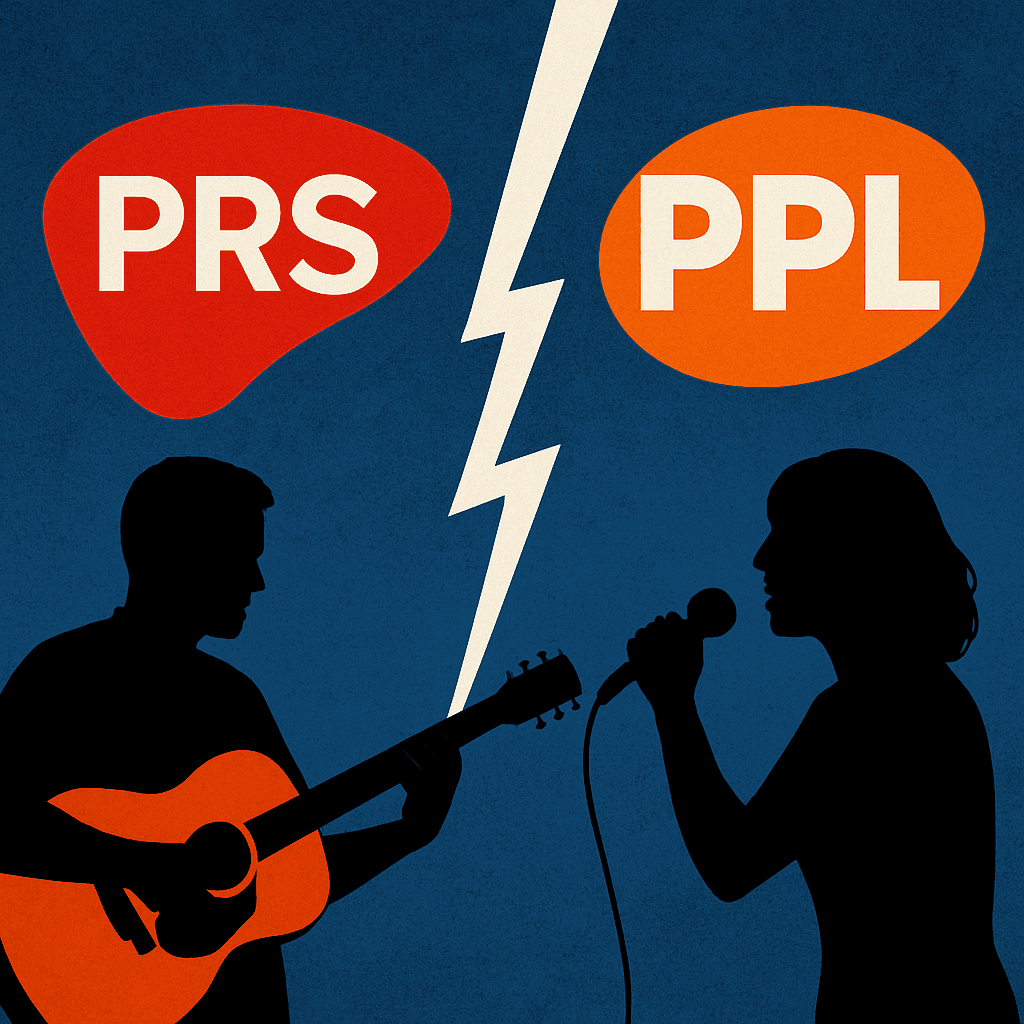
PRS vs PPL: Understanding the Difference for UK Artists
If you release recorded music in the UK, a single radio play or stream can generate two separate payments - one for the song and one for the recording. PRS vs PPL neighbouring rights determine who gets paid for each, and this article lays out exactly what PRS collects, what PPL collects, and the registration steps you need to claim both.

How to Start a Rap Career With No Label, No Budget and No Connections
This guide shows how to start a rap career with no label, no budget, and no connections, laying out a realistic 90-day roadmap and specific tasks you can execute using free and low-cost tools. You will get step-by-step instructions for writing, recording, releasing, promoting, and registering your music, plus checklists and measurable milestones that take you from first demo to your first paying gig or streaming traction.
How to Land a Sync License for Your Music in Film and TV
Landing a placement in film or TV can deliver a meaningful sync fee and a big visibility boost, but most opportunities stall because rights are unclear or assets are poorly packaged. This practical guide shows how to get a sync license step-by-step: which rights to clear, the exact files and metadata supervisors expect, where to pitch, negotiation musts, and how to collect every fee and performance royalty after a placement.