
Neighboring rights
Rights related to the performance or broadcast of a sound recording, distinct from the underlying composition. Neighboring rights generate royalties for recording artists and record labels (not songwriters) when their recordings are played on broadcast radio or public venues. Commonly collected by PPL (UK) and GVL (Germany).
Artigos sobre Neighboring rights
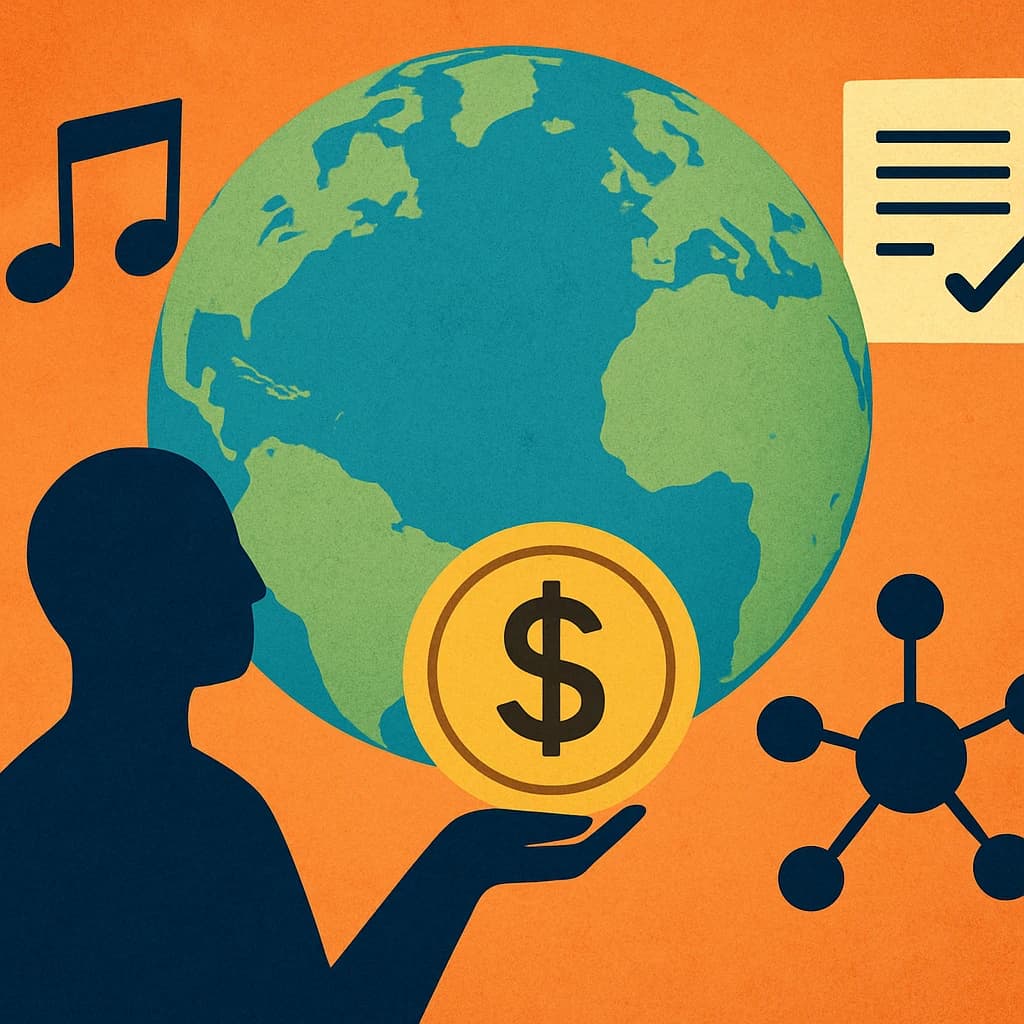
Neighboring Rights Explained: Who Gets Paid and How Collections Work Internationally
Neighboring rights are a persistent blind spot for many music businesses; they sit alongside copyright, attach to performers and phonogram producers, and generate cross-border payments that frequently go unclaimed. Neighboring rights explained: this article lays out who is entitled under different laws and CMOs, how reporting and reciprocal agreements move money internationally, and where metadata failures create black box pools.
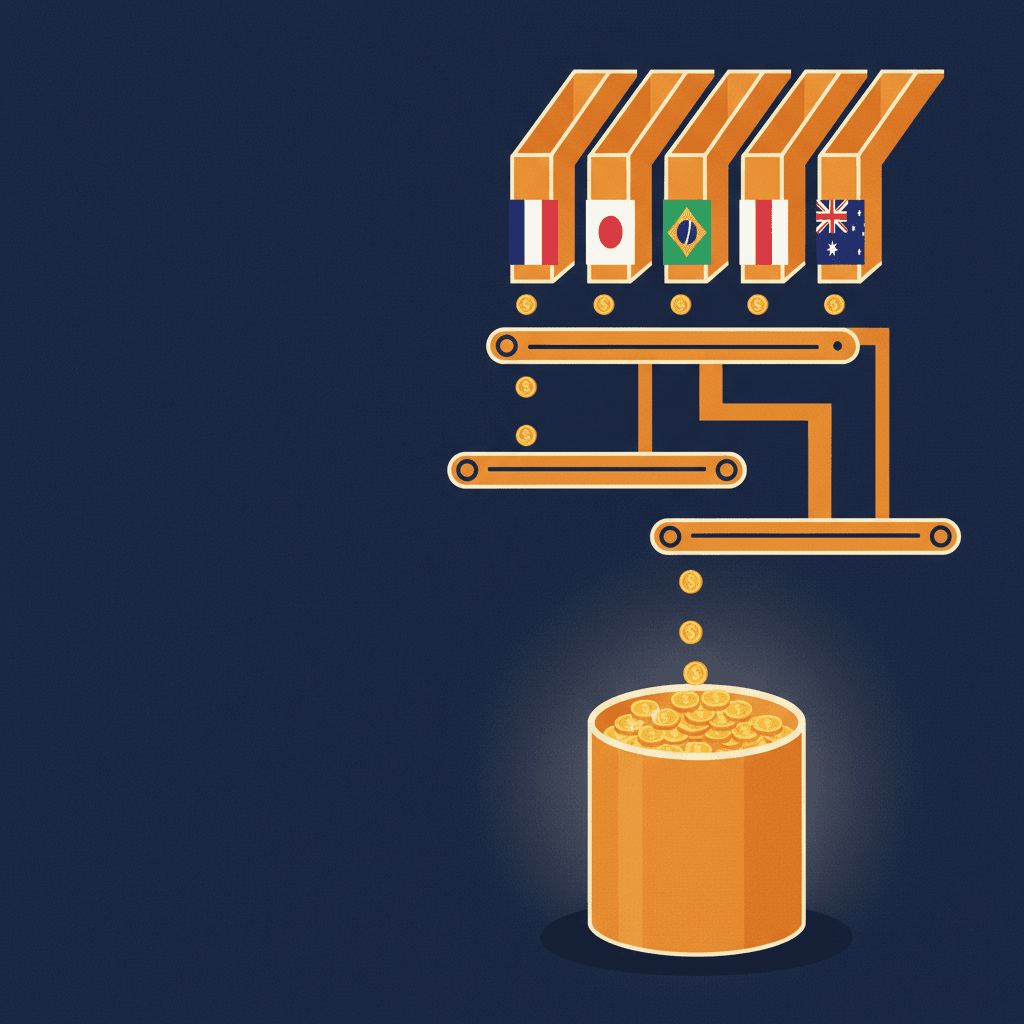
How to maximize earnings with Songtrust resources
Songtrust handles publishing administration for independent songwriters, but many users leave money on the table by not fully leveraging its registration tools, royalty tracking features, and territorial coverage. This guide walks through the specific Songtrust resources that directly impact how much you collect and how quickly you get paid.
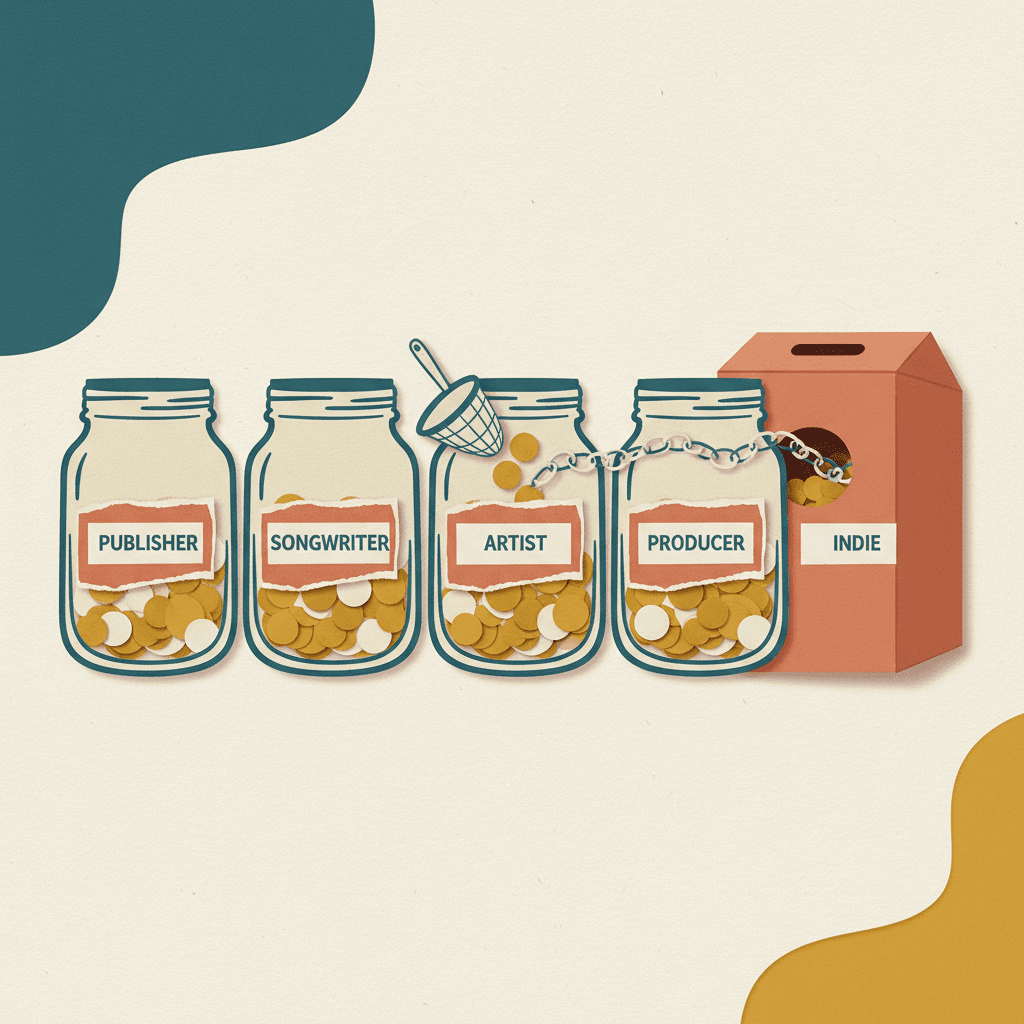
IMPALA Calls for Coordinated Action Against Streaming Fraud as AI Escalates Risk
IMPALA's Helen Smith warns that streaming manipulation threatens the integrity of digital music markets. For independent songwriters, fraud directly reduces legitimate royalty pools and makes recovery harder.

Los cuatro pasos para recaudar todas tus regalías
La mayoría de los compositores dejan dinero sin cobrar no por falta de talento sino por brechas sistemáticas en el proceso de recaudación de regalías. Este artículo documenta los cuatro pasos concretos que cierran esas brechas y convierten la gestión de derechos musicales en un sistema repetible.

Distributor Integration: How Your Money Really Connects in 6 Steps
Most independent artists never see the complete picture of where their money comes from. Distributor integration connects the technical and financial dots between your distributor, DSPs, CMOs, and bank account, but only if you set it up correctly.
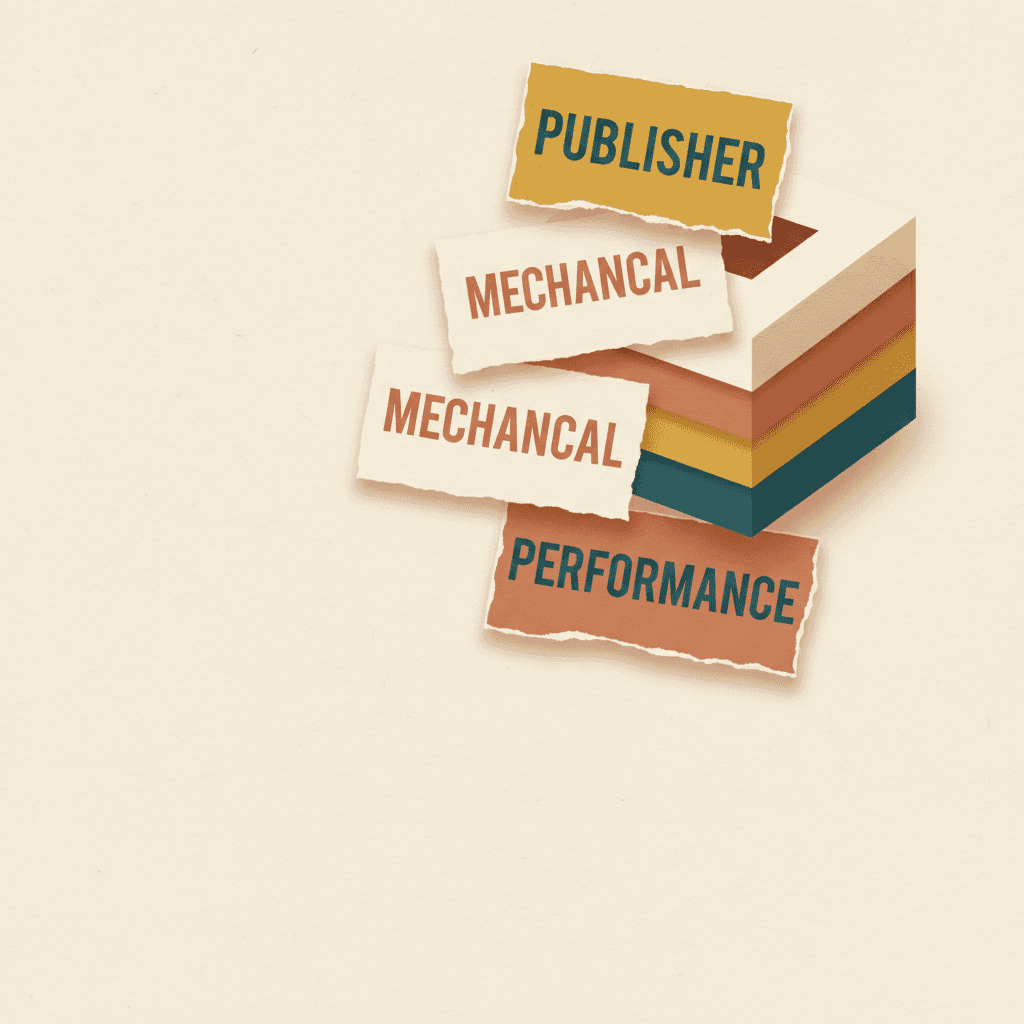
Distribution in Music: Getting Paid, Not Played
Most independent creators think distribution means getting their music on Spotify. It doesn't. Distribution is the royalty collection infrastructure that moves money from streaming platforms and CMOs to your bank account, and most writers set it up wrong.

Catalog of Music: Your Guide to Getting Paid Right
A music catalog is every copyright you own or control, and even a small one generates income if you register it correctly. This guide walks you through the registrations, metadata standards, and royalty streams that turn your songs into a paying asset.

BMI vs ASCAP vs SESAC: Which PRO Pays the Most?
Choosing between BMI, ASCAP, and SESAC is one of the first major decisions a songwriter makes. Payment rates, membership requirements, and distribution schedules vary significantly between the three PROs, and the highest-paying option depends entirely on where your music gets played.

how to maximize your BMI music royalties in 2024
BMI collects performance royalties from radio, streaming, TV, and live venues, but many songwriters leave money on the table through registration errors, metadata gaps, and unclaimed international income. This guide shows you how to capture every dollar owed.