

CISAC
The International Confederation of Societies of Authors and Composers — the international umbrella body for CMOs worldwide. CISAC sets standards for work registration (including CWR), administers CIS-Net, and promotes best practices in copyright management.
Artigos sobre CISAC

¿Por que estar en una PRO no es suficiente? Los 3 pasos que faltan
Afiliarte a una PRO es esencial, pero solo cubre derechos de ejecución pública. Mecánicos, sincronización y derechos conexos quedan sin gestionar, dejando miles de dólares sin cobrar cada año para creadores independientes.

Set up Songtrust Spotlight in 5 steps
Songtrust Spotlight gives songwriters visibility into royalty flows across territories and DSPs. This guide walks through the five-step setup process, from account linking to your first data sync, so you can start tracking what you're owed.

Songtrust: Business and Technology Partner to the Creative Community — How to use it for music publishing administration
Songtrust: Business and Technology Partner to the Creative Community provides global music publishing administration for independent songwriters and composers. This guide covers account setup, catalog registration, royalty collection from CMOs worldwide, and when Songtrust makes sense for your publishing rights.

Regalías Mecanicas vs Ejecucion Publica: cómo cobrar ambas correctamente
Las regalías mecánicas y de ejecución pública son flujos de ingresos separados que requieren infraestructura de recaudación diferente. Entender Regalías Mecanicas vs Ejecucion Publica es fundamental para compositores independientes que gestionan sus propios catálogos.

How to submit your songs to Songtrust blog
Songtrust operates one of the most-read publishing administration blogs in the independent music space. This guide walks through how to pitch articles, get featured in songwriter spotlights, and position your expertise to reach their audience of DIY creators managing their own catalogs.

Publishing Administration Explained: Roles, Workflows, and Standards for Rights Management
Publishing administration explained covers rights management in music publishing, mapping roles, operational handoffs, and industry standards. Learn about workflows, file formats, identifiers, and integration patterns to reduce unmatched revenue and build auditable systems.
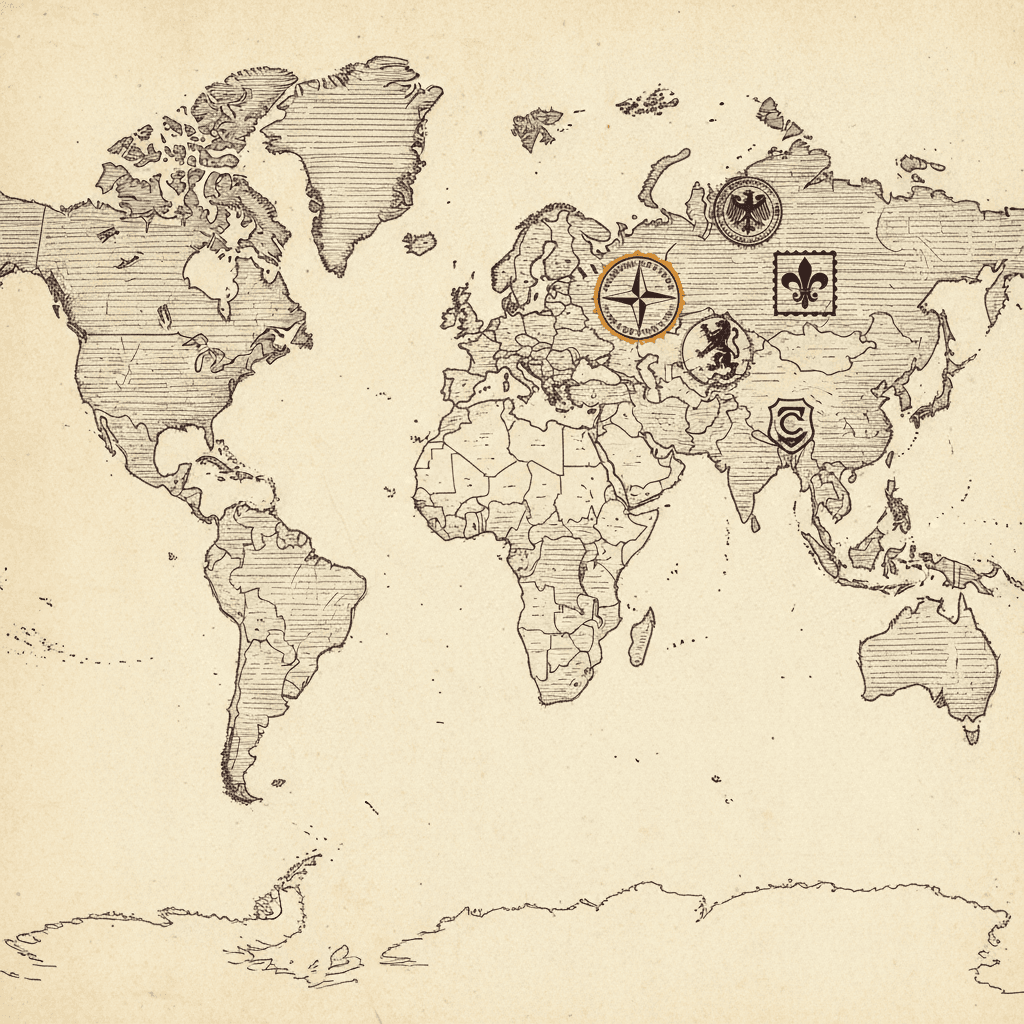
Territory Collection Societies: A Global Guide to PROs and CMOs Worldwide
Territory collection societies form the patchwork of national and regional organizations that collect and distribute music royalties, and knowing who collects which rights in which markets is the practical difference between missing revenue and timely payments. This guide maps PROs, CMOs, neighboring rights and master rights collectors by territory, provides registration and metadata checklists for priority markets, and gives step-by-step troubleshooting and prioritization advice publishers, labels and sync teams can use to recover royalties faster.

how to register with artists rights society in 2026
Registering with an artists rights society protects your visual artists rights and ensures you collect royalties from reproduction, resale, and museum licensing. This guide walks through eligibility requirements, required documentation, the registration workflow, and cataloging best practices to maximize copyright licensing monitoring effectiveness in 2024.

How to collect COSON Nigeria music royalties and international earnings through collection societies
African artists routinely miss international royalties because they lack direct relationships with foreign collection societies. A single membership in your home CMO like COSON Nigeria unlocks collection across 120+ territories through reciprocal agreements.