

Publishing agreement
A legally binding contract between a songwriter (or their representative) and a music publisher that defines the terms under which the publisher will administer and exploit the writer's compositions. Publishing agreements vary widely — from full copyright transfers to limited administration-only arrangements.
Articoli su Publishing agreement
Uncommon ways your song can make you money: beyond streaming and radio
Most songwriters focus on streaming and performance royalties while missing dozens of niche revenue streams. These uncommon ways your song can make you money require active catalog management but collectively represent significant income that independent writers leave unclaimed.

Why songwriting camps fail musicians: 5 costly mistakes
Songwriting camps promise collaboration and industry access, but structural failures leave most participants without meaningful revenue or rights. From upfront publishing grabs to administrative breakdowns, here are the five costly mistakes that make camps a poor investment for most writers.

LOMO: What to Know Before Signing with Songtrust
LOMO agreements transfer publishing rights for the entire life of copyright, not a fixed term. Before signing with Songtrust or any publisher offering LOMO terms, songwriters need to understand exactly what rights they're assigning, whether reversion is possible, and how these deals compare to standard publishing contracts.

Territory Collection Societies: A Global Guide to PROs and CMOs Worldwide
Territory collection societies form the patchwork of national and regional organizations that collect and distribute music royalties, and knowing who collects which rights in which markets is the practical difference between missing revenue and timely payments. This guide maps PROs, CMOs, neighboring rights and master rights collectors by territory, provides registration and metadata checklists for priority markets, and gives step-by-step troubleshooting and prioritization advice publishers, labels and sync teams can use to recover royalties faster.

Publishing Glossary Music Terms: Every Term Independent Artists Need to Know
Music publishing terminology is deliberately opaque, designed by an industry that profits from confusion. This glossary translates the language of royalties, rights, and revenue streams into plain terms independent artists can use to get paid correctly.

SOCAN vs ASCAP: Which PRO Is Right for You?
Deciding between SOCAN vs ASCAP determines where and how your performance royalties are collected and paid. This SOCAN vs ASCAP comparison walks through eligibility, territorial scope, what each PRO does and does not collect, registration and split workflows, payout mechanics, and the metadata mistakes that cause missing royalties.
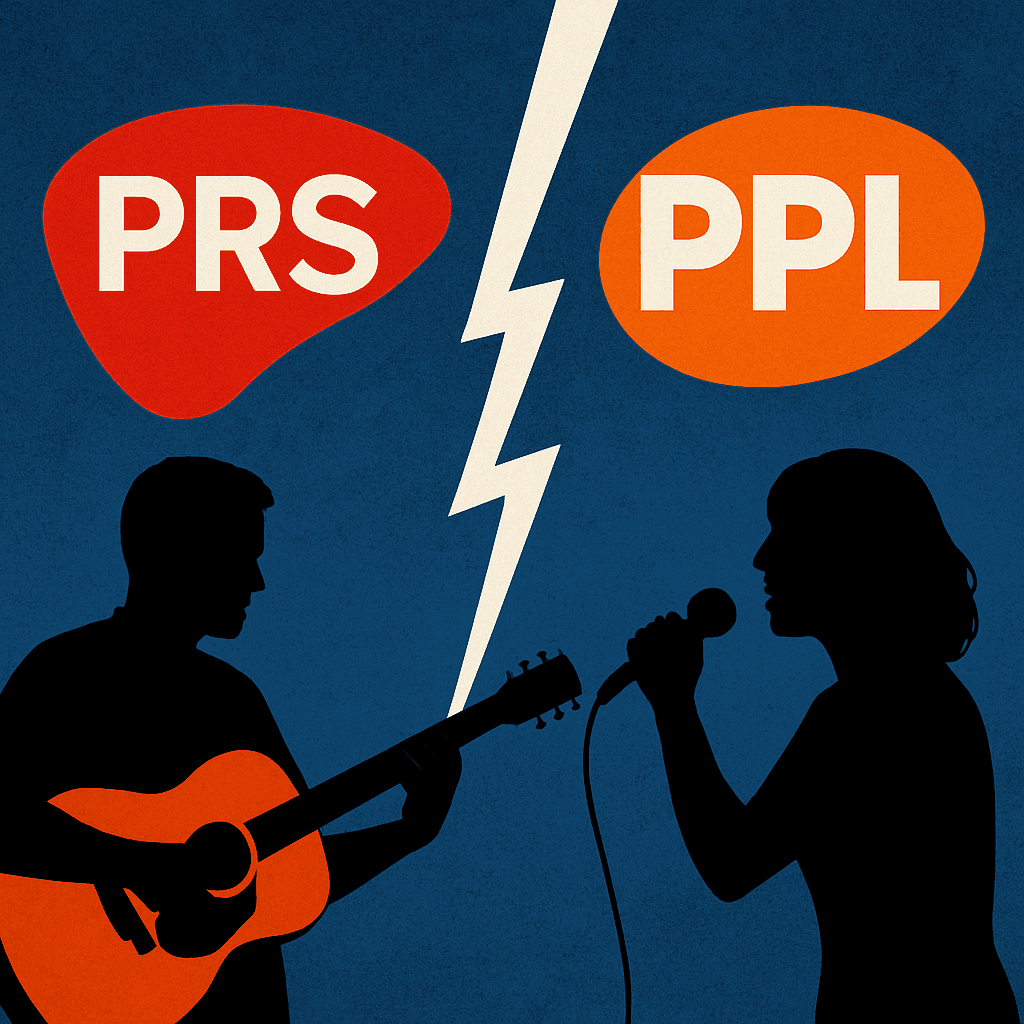
PRS vs PPL: Understanding the Difference for UK Artists
If you release recorded music in the UK, a single radio play or stream can generate two separate payments - one for the song and one for the recording. PRS vs PPL neighbouring rights determine who gets paid for each, and this article lays out exactly what PRS collects, what PPL collects, and the registration steps you need to claim both.

How to Negotiate a Music Publishing Deal Without Getting Burned
If you are an independent songwriter, producer, or DIY artist about to sign a contract, learning how to negotiate music publishing deal can protect your publishing rights and future income. This practical how-to walks through deal types, the contract clauses to demand or reject, real-world royalty benchmarks, and ready-to-use scripts and checklists to use before you sign.
How to Register Your Music Copyright in the US and Internationally
How to register copyright music for your songs and recordings matters more than many artists realize, since registration creates a public ownership record and unlocks legal remedies and revenue streams. This practical, step by step guide explains which US Copyright Office forms to file for compositions and masters, how to register with PROs and SoundExchange, and the metadata, ISRC, and ISWC steps that actually get you paid internationally.