MLC
The Mechanical Licensing Collective — the US organization designated under the Music Modernization Act (2018) to administer blanket mechanical licenses for digital streaming and downloads, collect royalties from DSPs, and distribute them to publishers and self-administered songwriters.
Articoli su MLC

How to Find Unclaimed Mechanical Royalties: MLC & Stream Royalties Guide
Unclaimed mechanical royalties are common for artists releasing music on streaming platforms. This guide explains how to identify and claim these earnings, focusing on the MLC and global collection societies for songwriters and publishers.

Mechanical Licensing Collective (MLC): How to License and Claim Royalty
The Mechanical Licensing Collective (MLC) administers the blanket mechanical license for digital music in the U.S., ensuring songwriters and publishers are paid. Understand how to license music and claim your royalties to avoid unmatched funds.

The Mechanical Licensing Collective (MLC) and Streaming Royalties for Songwriters
The Mechanical Licensing Collective (MLC) and Streaming Royalties for Songwriters If you have songs on Spotify, Apple Music, or Amazon Music in the U. S, you likely have mechanical royalties that the Mechanical Licensing Collective can pay.

¿Por que estar en una PRO no es suficiente? Los 3 pasos que faltan
Afiliarte a una PRO es esencial, pero solo cubre derechos de ejecución pública. Mecánicos, sincronización y derechos conexos quedan sin gestionar, dejando miles de dólares sin cobrar cada año para creadores independientes.

Mistakes Songwriters Should Avoid During Song Registration
Mistakes songwriters should avoid during song registration determine whether you collect every dollar your music earns or leave thousands on the table. Registration errors fragment your catalog and break royalty matching across CMOs, DSPs, and mechanical licensing databases.
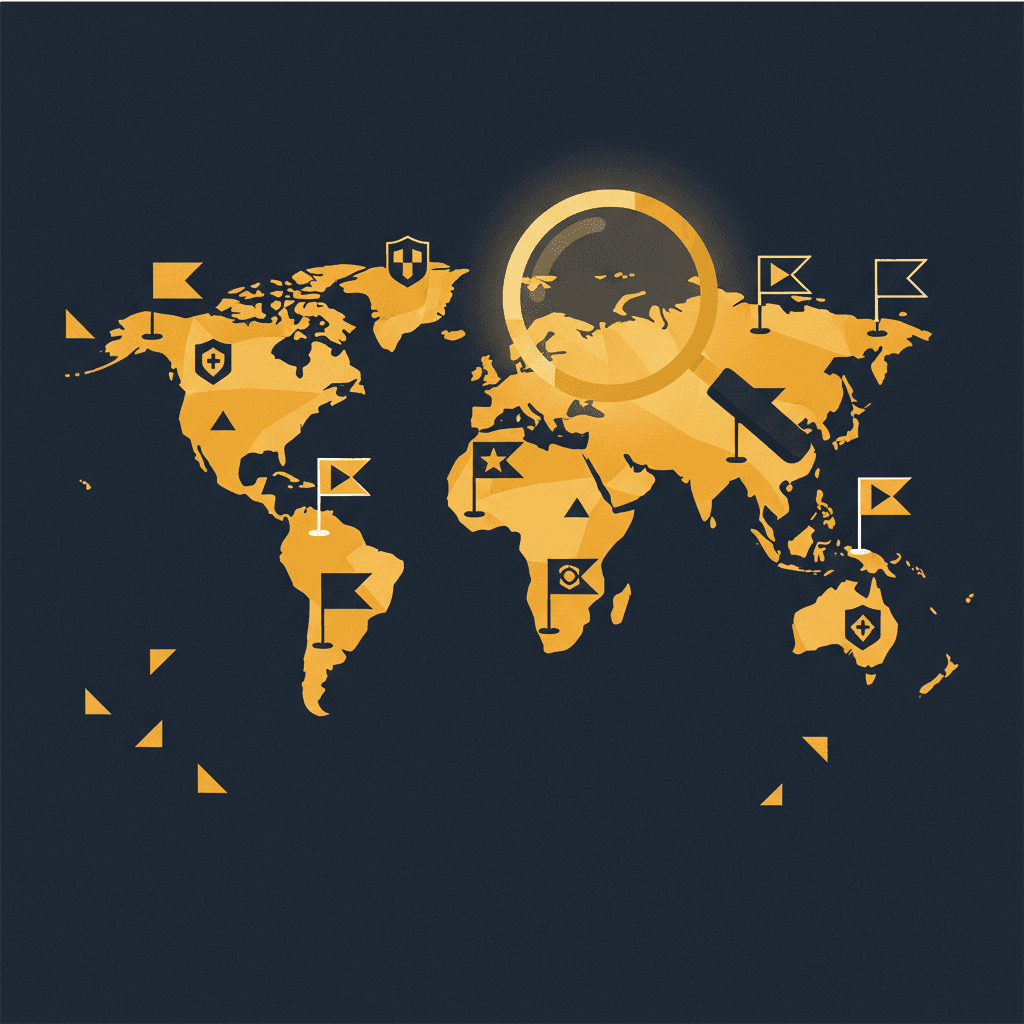
Songtrust: Business and Technology Partner to the Creative Community — How to use it for music publishing administration
Songtrust: Business and Technology Partner to the Creative Community provides global music publishing administration for independent songwriters and composers. This guide covers account setup, catalog registration, royalty collection from CMOs worldwide, and when Songtrust makes sense for your publishing rights.
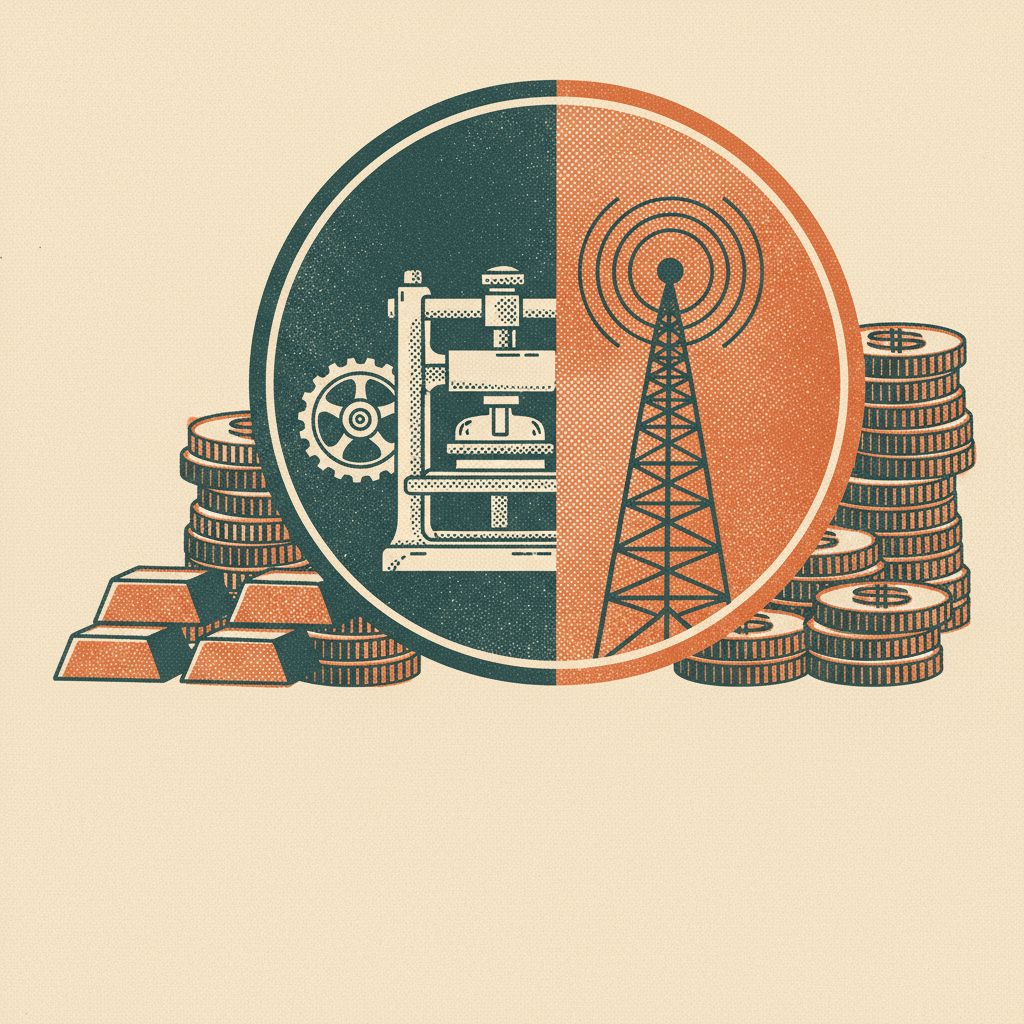
Regalías Mecanicas vs Ejecucion Publica: cómo cobrar ambas correctamente
Las regalías mecánicas y de ejecución pública son flujos de ingresos separados que requieren infraestructura de recaudación diferente. Entender Regalías Mecanicas vs Ejecucion Publica es fundamental para compositores independientes que gestionan sus propios catálogos.
LOMO: What to Know Before Signing with Songtrust
LOMO agreements transfer publishing rights for the entire life of copyright, not a fixed term. Before signing with Songtrust or any publisher offering LOMO terms, songwriters need to understand exactly what rights they're assigning, whether reversion is possible, and how these deals compare to standard publishing contracts.
How to submit your songs to Songtrust blog
Songtrust operates one of the most-read publishing administration blogs in the independent music space. This guide walks through how to pitch articles, get featured in songwriter spotlights, and position your expertise to reach their audience of DIY creators managing their own catalogs.