Derivative work
A new work based on or incorporating elements of a pre-existing copyrighted work, such as a sample, interpolation, translation, or arrangement. Creating a derivative work requires authorization from the original copyright holder (except in cases of fair use or statutory exemption).
Articoli su Derivative work

Publishing Glossary Music Terms: Every Term Independent Artists Need to Know
Music publishing terminology is deliberately opaque, designed by an industry that profits from confusion. This glossary translates the language of royalties, rights, and revenue streams into plain terms independent artists can use to get paid correctly.
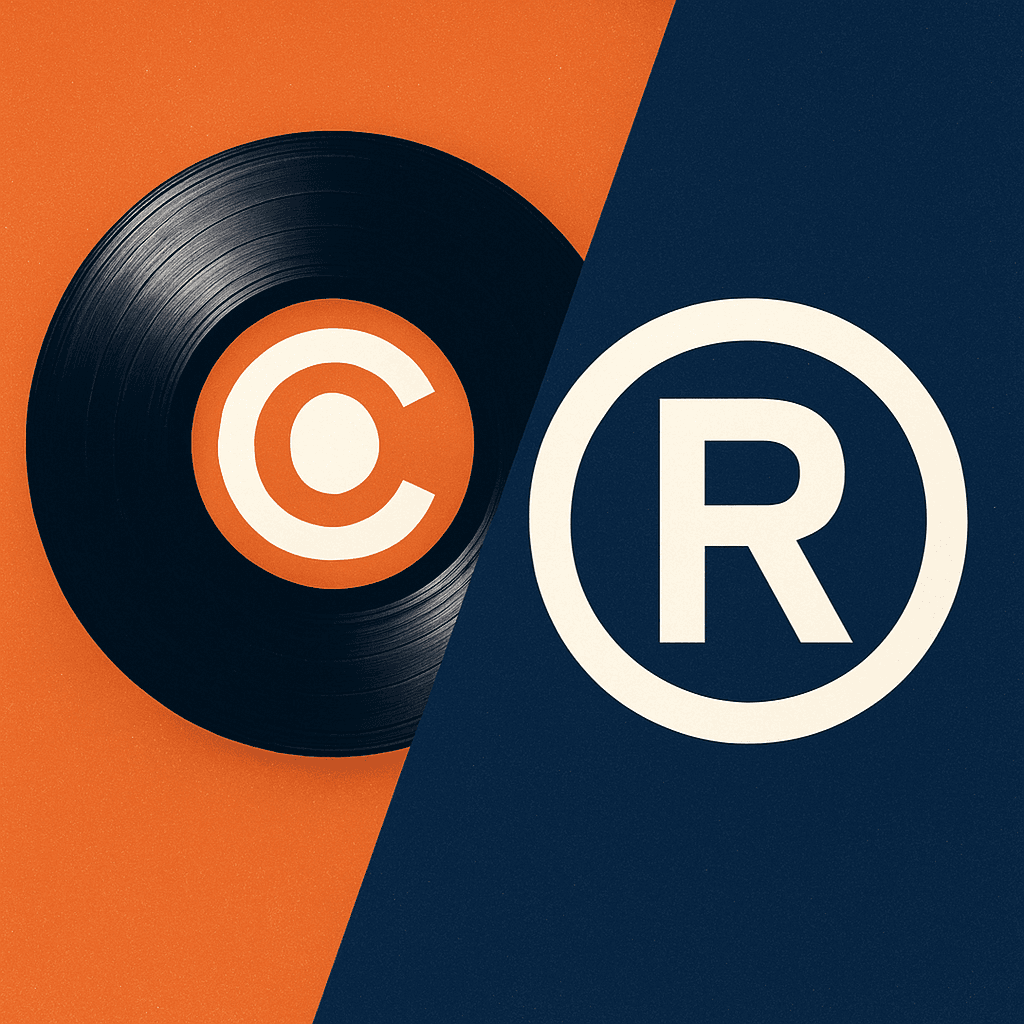
Music Copyright vs Trademark: What's the Difference and Do You Need Both?
Confused about music copyright vs trademark and which one you actually need? This article cuts through the overlap and explains what each protects, how registration works, typical costs and timelines, and the real-world consequences for streaming, sync and merchandise.
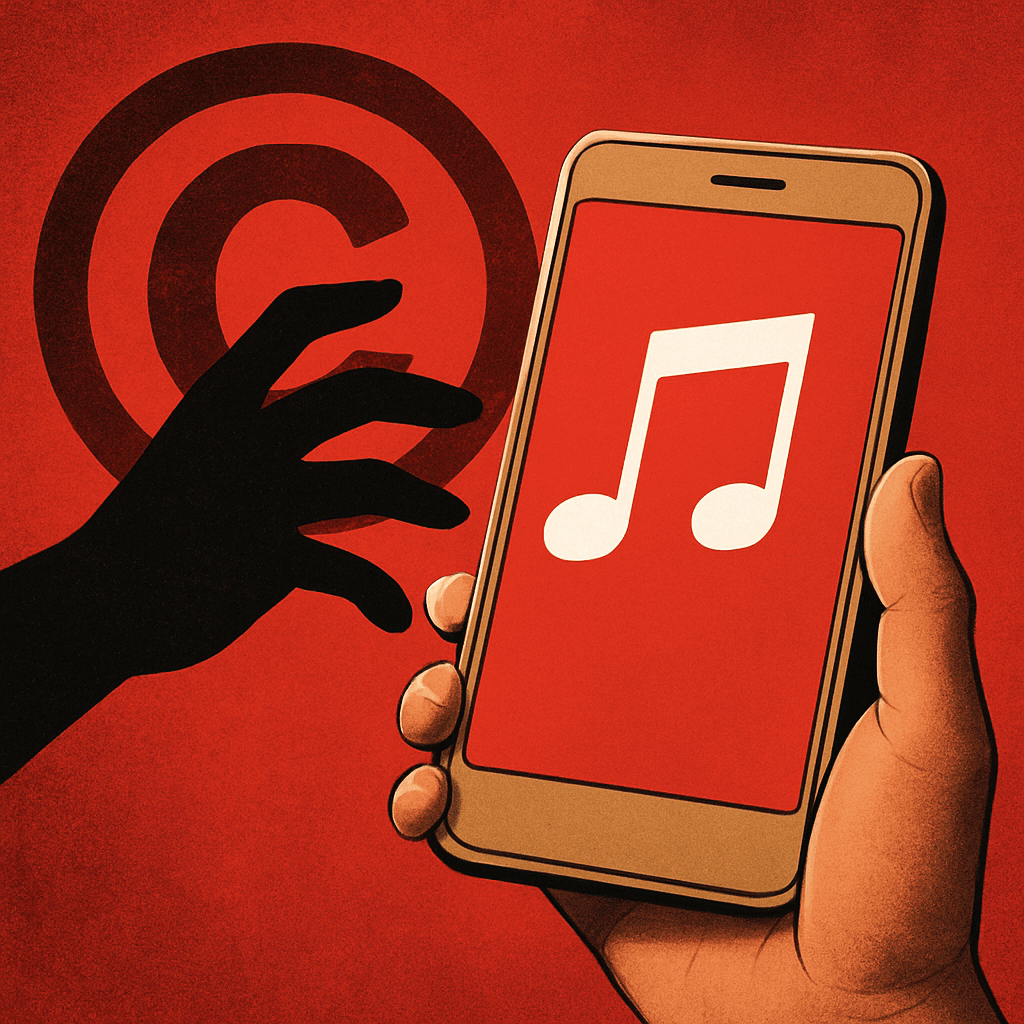
Your Music Is Being Used Without Permission — Here's What to Do About It
If you have discovered your recording or song being used without permission, you are facing music copyright infringement problems that demand practical, immediate action. This guide walks you through what to do first: preserve evidence, identify which right is being violated, and stop the use on each platform, then how to recover revenue and prevent repeat misuse.

Music Copyright Registration: Answers to the Most Common Questions
This music copyright registration FAQ answers the high‑intent questions independent musicians, songwriters, producers, and small labels have about registering songs and masters. Expect direct, practical answers on which application to use for compositions versus sound recordings, how to handle co‑writes, samples and remixes, timelines and fees, and what registration actually buys you for enforcement.

Every Type of Music Publishing Deal Explained: Co-Pub, Admin, Full Publishing and More
Understanding music publishing deal types is the first step toward protecting your rights and maximizing income as a songwriter, producer, or independent label owner. This practical how-to breaks down co-publishing , administration, full publishing, sub-publishing and catalog buyouts, gives real numeric examples and typical fee ranges, and finishes with a negotiation checklist to help you compare offers and decide what to sign.

Mechanical Royalty Rates Explained: How Much Are You Actually Owed?
If you write songs or manage catalogs, understanding the mechanical royalties rate determines how much composition income you should expect. This FAQ pulls the exact numbers, explains when the US statutory rate applies versus negotiated or streaming arrangements, and walks through step-by-step calculations for downloads, physical sales, and realistic streaming estimates.

How to Protect Your Music Copyrights and Ensure You Get Paid
In the ever-evolving music industry, protecting your music copyrights and ensuring you get paid is crucial for sustaining your career as a music creator. With the rise of digital platforms and various revenue streams, managing your rights and royalties can be a complex task.

Understanding Performing Rights Organizations: How PROs Protect and Monetize Your Music
If you write, publish, or build systems around music, understanding PRO music rights is where unpaid royalties either get caught or slip away. This article breaks down how performing rights organizations operate, covering licensing models, reporting and metadata requirements, reciprocal cross-border flows, and a numeric distribution example that traces money from licensee to writer.

The A-Z Music Publishing Glossary: Every Term You Need to Know
This A-Z music publishing glossary gives clear definitions for every term you will run into - from ISWC to sync licensing - with real-world examples and practical next steps. Whether you are an independent songwriter setting up splits or an indie label resolving international collections, use these standardized entries to register rights, fix metadata, and stop leaving money on the table.