
Sampling
The act of taking a segment from a pre-existing sound recording and incorporating it into a new composition. Legally releasing a track containing a sample requires clearing two separate rights: a license from the composition's publisher and a license from the master recording's owner. Uncleared sampling constitutes copyright infringement.
Artikel über Sampling

Publishing Glossary Music Terms: Every Term Independent Artists Need to Know
Music publishing terminology is deliberately opaque, designed by an industry that profits from confusion. This glossary translates the language of royalties, rights, and revenue streams into plain terms independent artists can use to get paid correctly.

SOCAN vs ASCAP: Which PRO Is Right for You?
Deciding between SOCAN vs ASCAP determines where and how your performance royalties are collected and paid. This SOCAN vs ASCAP comparison walks through eligibility, territorial scope, what each PRO does and does not collect, registration and split workflows, payout mechanics, and the metadata mistakes that cause missing royalties.
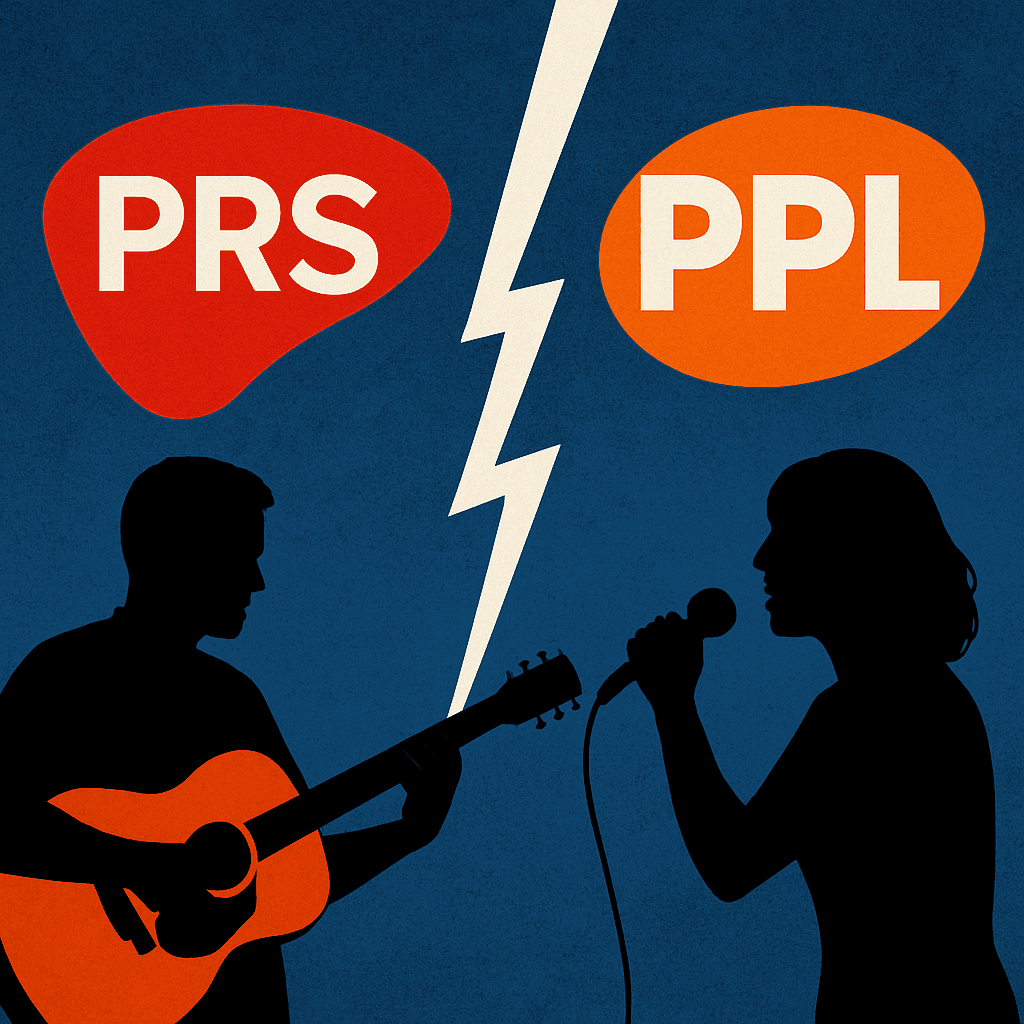
PRS vs PPL: Understanding the Difference for UK Artists
If you release recorded music in the UK, a single radio play or stream can generate two separate payments - one for the song and one for the recording. PRS vs PPL neighbouring rights determine who gets paid for each, and this article lays out exactly what PRS collects, what PPL collects, and the registration steps you need to claim both.
The Royalty Audit That Found $30,000 in Missing Payments for an Independent Band
This royalty audit case study shows how a targeted audit recovered $30,000 in unpaid royalties for an independent band. It details the data sources, matching methodology, and an itemized breakdown of shortfalls across streaming, mechanical, and performance royalties so you can compare the findings to your own releases.

Best Performing Rights Organizations for Independent Artists
Choosing the best PRO for independent artists can be the difference between getting paid for performances and leaving money uncollected. This list compares the top PROs and complementary collection services across territory, membership rules, payout cadence, international reach, and practical strengths so you can pick the right fit and recover royalties you might be missing.

The Top Collection Societies Every International Artist Should Know About
Releasing music globally means plays and broadcasts get logged in dozens of territories — and most creators leave money on the table by not registering with the right collecting bodies. This guide lists the music royalty collection societies worldwide that matter, explains what each actually collects, who should register, and gives practical next steps to claim royalties across borders.

The Most Expensive Music Publishing Mistakes Independent Artists Make
Independent artists routinely leak thousands in royalties through predictable music publishing mistakes that rarely show up on royalty dashboards. This post pinpoints the seven costliest errors, quantifies typical revenue impact, and gives step-by-step fixes with the exact organizations and forms to use - from BMI and The MLC to SoundExchange and major international CMOs - so you can recover missed income and stop future losses.

ASCAP vs BMI vs SESAC: Which PRO Should You Join?
Choosing the right PRO can change how much you earn from performances and how reliably you collect international and streaming royalties. In this ASCAP vs BMI vs SESAC comparison we break down membership rules, payout mechanics, switching logistics, and what each organization actually collects so you can pick the one that fits your career.

Music Royalty Auditing: The Complete Guide to Finding Lost Earnings
If you suspect streams and performances are producing less cash than they should, royalty auditing music is the process that finds the gaps and turns them into recoverable earnings. This guide provides a practical, step-by-step workflow: what data to collect, how to reconcile DSP, distributor and PRO statements, common metadata failures to watch for, and the claim evidence you will need to recover funds.